
Recent Posts
-
![Meet TYM at K 2025 -The World’ s No.1 Trade Fair for Plastics and Rubber]() Meet TYM at K 2025 -The World’ s No.1 Trade Fair for Plastics and Rubber
Meet TYM at K 2025 -The World’ s No.1 Trade Fair for Plastics and RubberWelcome to the World’s No.1 Trade Fair for Plastics and Rubber -K 2025, taking place from October 8–15, 2025 at Messe Düsseldorf, Germany. As a professional LSR injection molding machine, mold, and robot solution provider, TYM Technology Co., Ltd. is proud to present our latest innovations at Booth 16E77.
09/23/2025
-
![Vacuum-Assisted Injection for Liquid Silicone: What It Actually Fixes, and Which Products Justify the Added Cost]() Vacuum-Assisted Injection for Liquid Silicone: What It Actually Fixes, and Which Products Justify the Added Cost
Vacuum-Assisted Injection for Liquid Silicone: What It Actually Fixes, and Which Products Justify the Added CostVacuum-assisted injection reduces micro-bubbles in liquid silicone parts, but it's not worth the added cost for every product. Here's how to decide.
08/19/2026
-
![When Mold Temperature Controller and Injection Machine Fall Out of Sync: Why Parts Still Show Localized Under-Cure Even When]() When Mold Temperature Controller and Injection Machine Fall Out of Sync: Why Parts Still Show Localized Under-Cure Even When "All Parameters Are Correct"
When Mold Temperature Controller and Injection Machine Fall Out of Sync: Why Parts Still Show Localized Under-Cure Even When "All Parameters Are Correct""All parameters correct" but still getting localized under-cure? Mold temperature controller and injection machine timing mismatch is a common hidden cause.
08/18/2026
-
![How Much A/B Mixing Ratio Error Causes Under-Cure in Liquid Silicone — and How Equipment-Level Monitoring Can Catch It]() How Much A/B Mixing Ratio Error Causes Under-Cure in Liquid Silicone — and How Equipment-Level Monitoring Can Catch It
How Much A/B Mixing Ratio Error Causes Under-Cure in Liquid Silicone — and How Equipment-Level Monitoring Can Catch ItSmall A/B mixing ratio errors in liquid silicone can cause under-cured parts without visible warning. Learn the tolerance thresholds and equipment monitoring methods.
08/15/2026
-
![Injection Pressure / Servo Pressure Sensor Drift: How Often Should It Be Calibrated?]() Injection Pressure / Servo Pressure Sensor Drift: How Often Should It Be Calibrated?
Injection Pressure / Servo Pressure Sensor Drift: How Often Should It Be Calibrated?Injection pressure and servo sensor drift can silently degrade LSR part quality. Learn the warning signs and a practical calibration schedule.
08/13/2026
-
![How to Verify Whether a Supplier's]() How to Verify Whether a Supplier's "Parts Per Hour" Claim Includes Color or Mold Changeover Time
How to Verify Whether a Supplier's "Parts Per Hour" Claim Includes Color or Mold Changeover TimeWhen comparing liquid silicone rubber (LSR) injection molding machines, almost every supplier quote includes a headline number: parts per hour, or cycles per hour. It looks like the easiest number to compare — until you realize it rarely means the same thing from one supplier to the next.
08/10/2026
-
Common Failure Modes in In-Mold Assembly (IMA) on Double-Color and Double-Material LSR Machines
In-mold assembly — molding a silicone component directly onto or around a second material within a single cycle — is one of the strongest arguments for double-color and double-material LSR machines. It eliminates a secondary bonding or assembly step, reduces labor, and improves consistency versus post-mold assembly. On paper, it sounds like a straightforward efficiency gain.
08/07/2026
-
Cold Runner Clogging in LSR Injection Molding: A Practical Troubleshooting Guide
Cold runner systems are one of the main reasons manufacturers choose liquid silicone rubber (LSR) injection molding over conventional runner designs — no gate vestige, no flash to trim, and lower material waste. But when a cold runner starts to clog, that advantage disappears fast: production stops, scrap rates climb, and every hour of downtime costs real money.
08/04/2026
-
![Pure Electric Servo Feeding System vs. Traditional Pneumatic Feeding: Which One Actually Saves You Money?]() Pure Electric Servo Feeding System vs. Traditional Pneumatic Feeding: Which One Actually Saves You Money?
Pure Electric Servo Feeding System vs. Traditional Pneumatic Feeding: Which One Actually Saves You Money?If you run an LSR (Liquid Silicone Rubber) injection molding line, the feeding system is easy to overlook — until it starts costing you scrap rate, downtime, and inconsistent shot weights. Two technologies dominate the market today: pneumatic (air-driven) feeding systems and pure electric servo feeding systems. Here's an honest, practical comparison to help you decide which fits your production line.
07/31/2026
-
![How to Choose an LSR OEM Manufacturing Partner: A Buyer's Checklist]() How to Choose an LSR OEM Manufacturing Partner: A Buyer's Checklist
How to Choose an LSR OEM Manufacturing Partner: A Buyer's ChecklistOutsourcing liquid silicone rubber production is as much a relationship decision as a technical one. A supplier can look strong on paper — certificates, equipment lists, a polished website — and still fall short once your product hits real production volume. Here's a practical checklist for evaluating an LSR OEM partner before you commit tooling and inventory to them.
07/29/2026




LSR Injection Molding Machine Parameters Explained
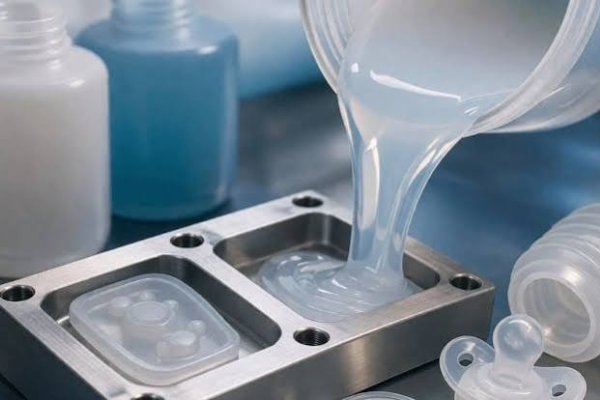
An LSR injection molding machine spec sheet lists dozens of numbers, but only a handful decide whether your silicone parts cure fully, stay flash-free and cost little to run. This 2026 guide explains the parameters that matter most, so engineers and buyers can compare machines on the specs that actually affect part quality, not marketing figures.
What are the most important LSR machine parameters?
In short: shot volume, metering-pump ratio accuracy, injection pressure and speed, feed-system cooling, and mold-heating capacity. These five govern how accurately the two silicone components are mixed and dosed, how cleanly the cavity fills, and how completely the part cures. Clamping force (tonnage) sets the size class, but these parameters decide day-to-day quality and yield.
How do you read shot volume and injection capacity?
Shot volume is the maximum amount of material the machine can inject in one cycle, usually stated in cubic centimeters or grams. For stable, repeatable dosing you should size the machine so your actual shot (all cavities plus the cold runner) uses roughly 30-70% of the maximum shot capacity. Running at the extreme low end hurts metering accuracy; running near 100% leaves no reserve for larger tools later.
Why is metering-pump ratio accuracy critical?
Because LSR is a two-part material that only cures correctly when the A and B components are mixed in the right proportion. The metering (dosing) unit pumps Part A and Part B from drums, typically at a 1:1 ratio, through a static mixer before injection. If the ratio drifts, you get under-cure, tacky surfaces or brittle parts. A quality LSR machine holds the A:B ratio within a tight tolerance and lets you add a 1-5% color or additive stream without disturbing the base ratio.
Common feed configurations use 20 L pails or 200 L drums with follower plates. Confirm the machine's pump can handle your drum size and that it includes a de-airing/vacuum step, because trapped air in the feed is a leading cause of voids.
What temperature control does an LSR machine need?
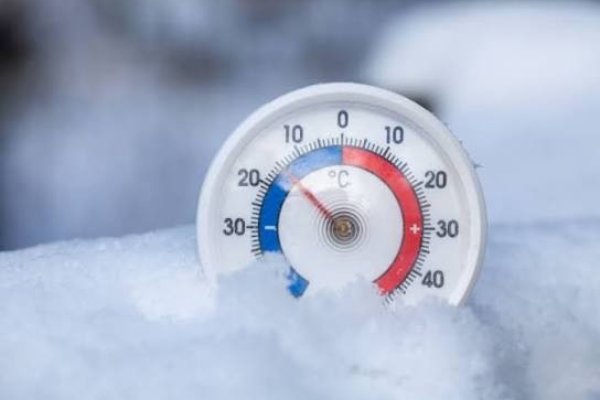
LSR machines must do two opposite jobs at once: keep the uncured material cold and keep the mold hot. The feed and injection barrel are held cool, commonly below about 25 C using chilled water, to stop the silicone curing (scorching) before it reaches the cavity. The mold is heated to roughly 150-200 C so the material cross-links in seconds once injected. A separate cold-runner temperature controller keeps the runner cool while the cavity stays hot, eliminating cured waste in the sprue.
Cure time scales with wall thickness and mold temperature; at 170-180 C many thin LSR parts cure in about 20-40 seconds. Even, well-zoned mold heating is essential for consistent cure across a multi-cavity tool.
How do injection pressure and speed affect quality?
LSR has low viscosity, so it needs far less injection pressure than thermoplastics, but the injection speed profile still controls fill quality. Too fast and you trap air or cause jetting and flash; too slow and the material may begin curing before the cavity fills. Programmable, closed-loop injection with a multi-stage speed profile lets you fill fast where the part is thick and slow down near vents and thin walls. Look for servo-driven injection for repeatable, energy-efficient control.
Which parameters should you compare on a spec sheet?
The table below summarizes the parameters worth comparing directly, with typical ranges for LSR machines and why each one matters.
Parameter | Typical LSR range | Why it matters |
Clamping force | 300-5,000 kN | Sets size class; resists flash under cavity pressure |
Shot volume | Size to 30-70% used | Dosing accuracy and headroom for future tools |
Metering ratio | 1:1 (A:B), tight tolerance | Correct, complete cure; avoids tacky/brittle parts |
Injection pressure | Up to ~1,800-2,000 bar cap | Fills thin sections without flash |
Feed temperature | Below ~25 C (chilled) | Prevents premature cure / scorch |
Mold temperature | 150-200 C | Drives fast, complete cross-linking |
Drive type | Servo-hydraulic / all-electric | Repeatability and energy use |
What control and automation features add value?
Beyond the core numbers, modern LSR machines earn their keep through control intelligence:
· Closed-loop servo drives for repeatable shots and 30-50% lower energy use versus fixed-pump hydraulics.
· Vacuum system on the mold to evacuate air and cut voids in thick or optically clear parts.
· Integrated cold-runner and valve-gate control for waste-free, balanced multi-cavity filling.
· SPC data logging and MES/Industry 4.0 connectivity for traceability and remote monitoring.
· Automation interface (robot take-out, vision inspection) for lights-out, flashless production.
How TYM configures machine parameters to your part
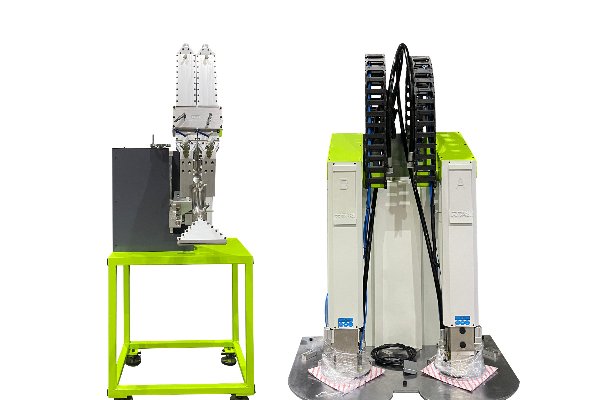
TYM builds LSR injection molding machines, silicone molds and turnkey automated systems for medical, automotive, infant-care and industrial customers. Rather than quoting a fixed catalog spec, TYM reviews your part geometry, shot weight, cavity layout and output target, then matches shot size, metering configuration, temperature control and automation to your project, for precise, efficient and intelligent production with the lowest sustainable cost per part.
FAQs
Q: What A:B ratio does an LSR machine use?
A: Most liquid silicone rubber is a 1:1 two-part system, so the metering unit pumps equal volumes of Part A and Part B through a static mixer. A small color or additive stream of about 1-5% can be added. Holding this ratio precisely is essential; ratio drift causes under-cure, tacky surfaces or brittle parts.
Q: Why must the feed and barrel stay cold?
A: Because LSR begins to cure with heat. Keeping the feed system and injection barrel cool, typically below about 25 C with chilled water, prevents premature cross-linking (scorch) inside the machine. The material only reaches curing temperature after it is injected into the mold, which is heated to roughly 150-200 C.
Q: How much shot capacity should I use?
A: Size the machine so your actual shot, including all cavities and the cold runner, uses about 30-70% of maximum shot volume. This range gives accurate, repeatable metering while leaving headroom for larger tools. Running near 0% or 100% of capacity reduces dosing accuracy and part consistency.
Q: Do LSR machines need high injection pressure?
A: No. LSR has low viscosity and fills at much lower pressure than thermoplastics. What matters more is a controllable, multi-stage injection speed profile so the cavity fills before the material cures, without trapping air or forcing flash. Servo-driven closed-loop injection provides this control efficiently.