









Article
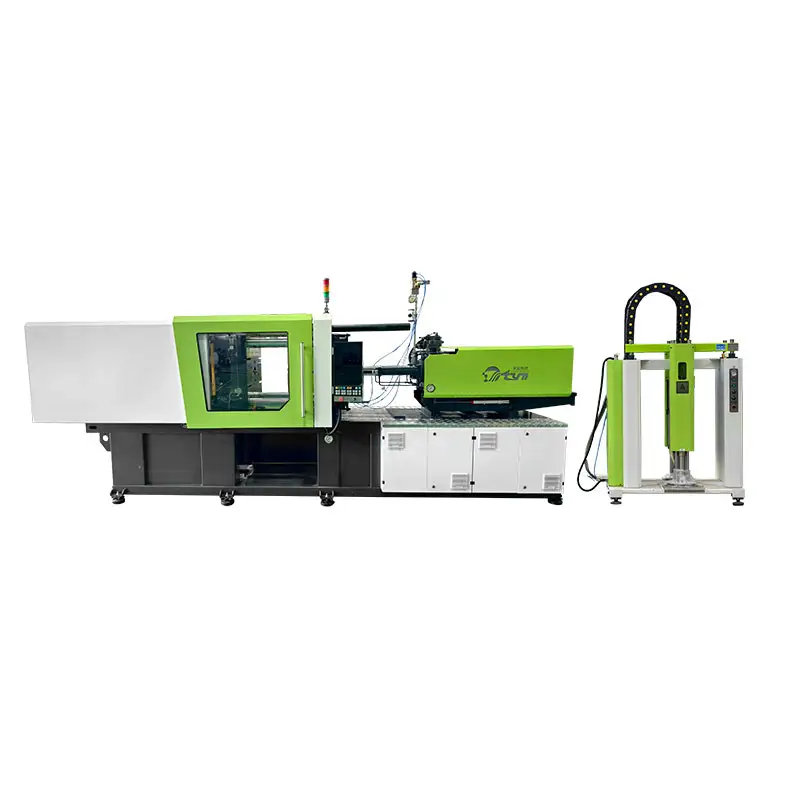
How to Choose a Horizontal LSR Injection Molding Machine
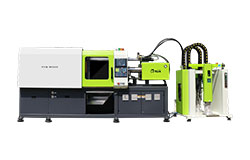
Choose a horizontal LSR injection molding machine by matching its clamping and opening system, injection capability, automation, mold design, and process controls to the part and production plan. A horizontal hinged machine with direct-pressure mold opening and closing can be a practical fit when parts are designed for automatic removal. Confirm the machine and mold together through supplier review and production trials.
2026-11-07
Benefits of Horizontal Hinged LSR Injection Molding
A horizontal hinged LSR injection molding machine uses a direct-pressure mold-opening and closing system that can suit liquid silicone rubber (LSR) parts designed for automatic removal. Its benefits can include a practical layout for robotic takeout, repeatable mold movement, and efficient production when matched to the part, mold, curing process, and automation plan. Manufacturers should compare cycle requirements, mold design, safety, quality controls, and total operating costs before selecting equipment.
2026-11-06
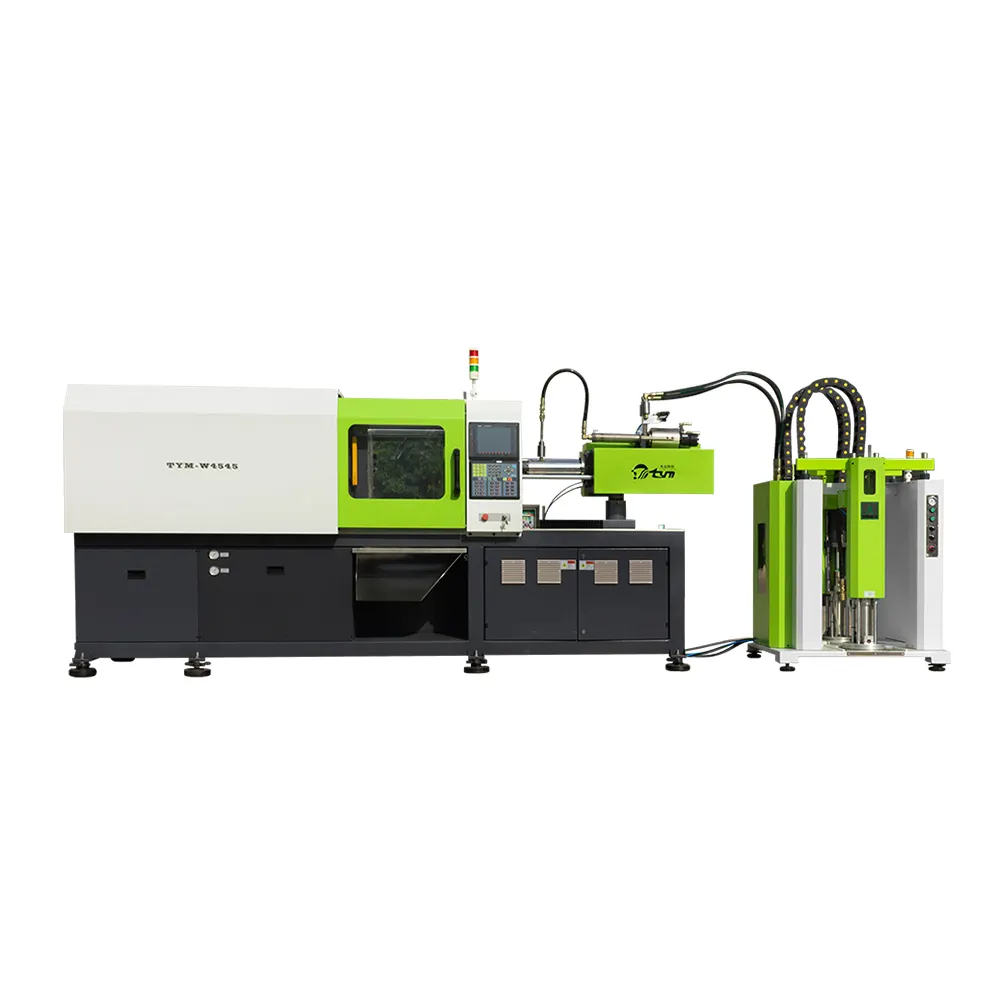
Horizontal LSR Injection Molding Machine Price Guide
A horizontal LSR injection molding machine can cost from tens of thousands of dollars to several hundred thousand, depending on clamping force, dosing and metering equipment, automation, tooling, validation, and installation. Compare complete, production-ready system costs—not just the machine price—and request a part-specific quotation based on material, cycle time, cavity count, and demolding requirements.
2026-11-05
Horizontal vs Vertical LSR Injection Molding Machines
Compare horizontal and vertical LSR injection molding machines by part geometry, loading and unloading needs, automation, floor space, and production goals. Learn when a horizontal machine can support reliable automated demolding, what to evaluate before purchasing, and how to validate a machine for silicone parts used in automotive, baby-care, menstrual-care, and medical applications.
2026-11-04
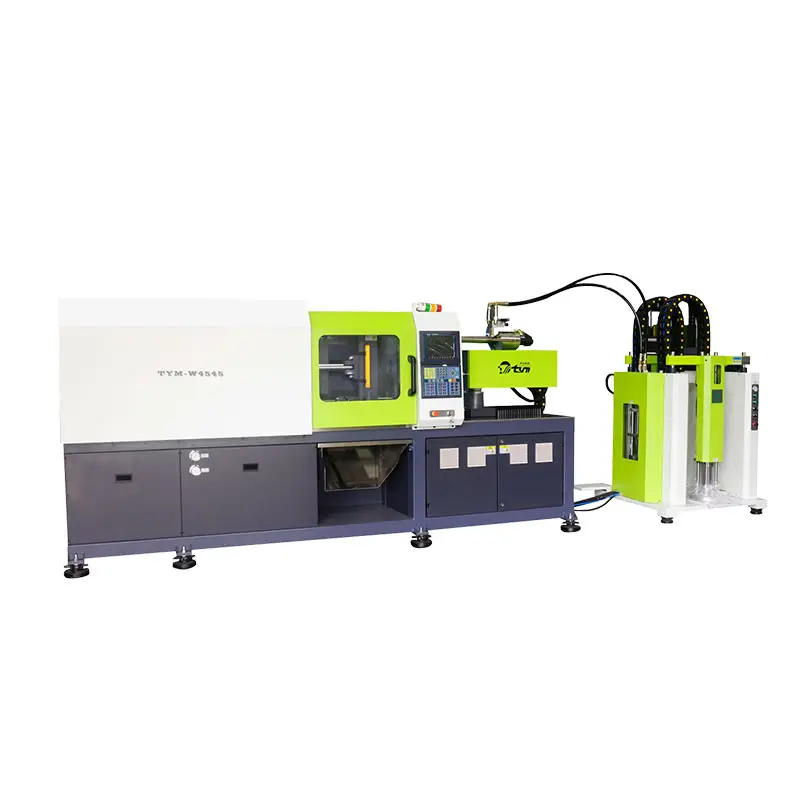
Benefits of Horizontal LSR Injection Molding Machines
A horizontal LSR injection molding machine can support efficient liquid silicone rubber production by combining a horizontal mold layout with a direct-pressure mold opening and closing system. This arrangement is especially relevant when parts are designed for automatic removal, helping manufacturers plan repeatable cycles, accessible mold areas, and production workflows for automotive, baby-care, menstrual-care, and medical components. The right machine depends on part geometry, mold design, automation needs, quality requirements, and the production environment.
2026-11-03
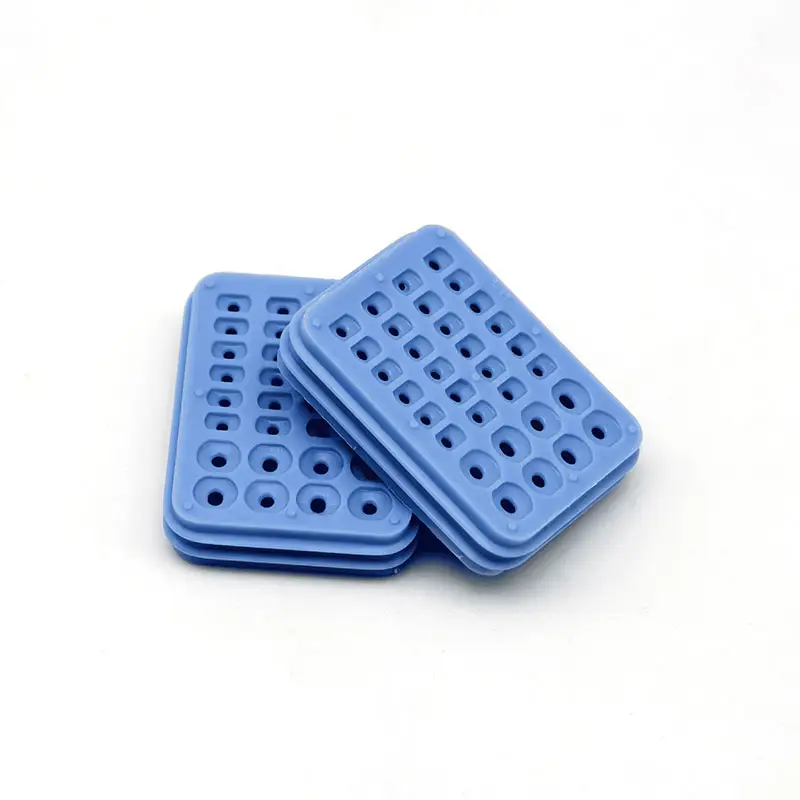
Mid-Platen LSR Mold Design for Precision Seals
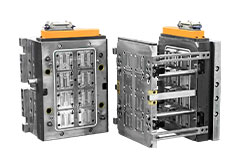
A mid-platen LSR mold uses a three-platen layout to support controlled parting, demolding, and production of precision silicone components. This guide explains how to design the mold around seal geometry, material behavior, push-out or blow-out ejection, venting, thermal control, and inspection. It also outlines when a 3-platen mold for valves and frame seals may be a fit and how TYM’s mid-platen solution supports those applications.
2026-10-31
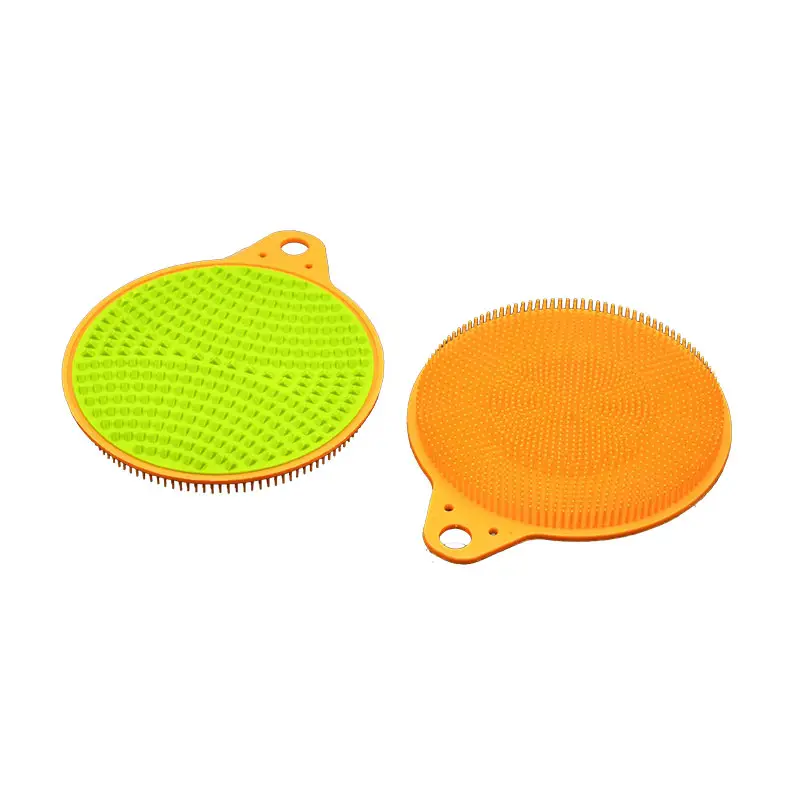
How 2K Double-Color LSR Molding Works
2K double-color LSR molding forms two materials in one coordinated molding cycle, either by combining two liquid silicone rubber (LSR) compounds or by overmolding LSR onto a compatible thermoplastic. The process depends on material selection, controlled injection and curing, accurate transfer or indexing between mold positions, and a design that supports bonding, sealing, and repeatable production. This guide explains the sequence, key design decisions, quality checks, and how TYM’s 2K double-color mold supports consumer electronics and baby-product applications.
2026-10-30
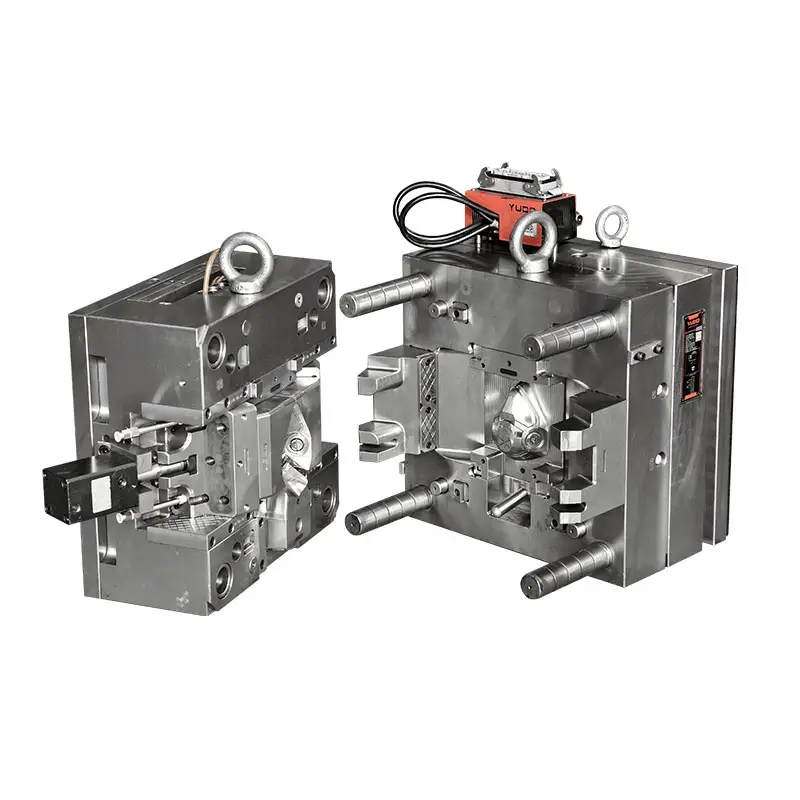
LSR Molds for Silicone Parts with Undercuts
An LSR slider mold uses movable mold components to form silicone parts with undercuts, side openings, and complex geometries that a straight-pull tool cannot release. Successful designs coordinate slider travel, parting lines, silicone sealing, venting, material behavior, and ejection. TYM’s slider mold enables undercut features and overmolded silicone parts with complex geometries; early design review helps reduce flash, sticking, tool wear, and production delays.
2026-10-29
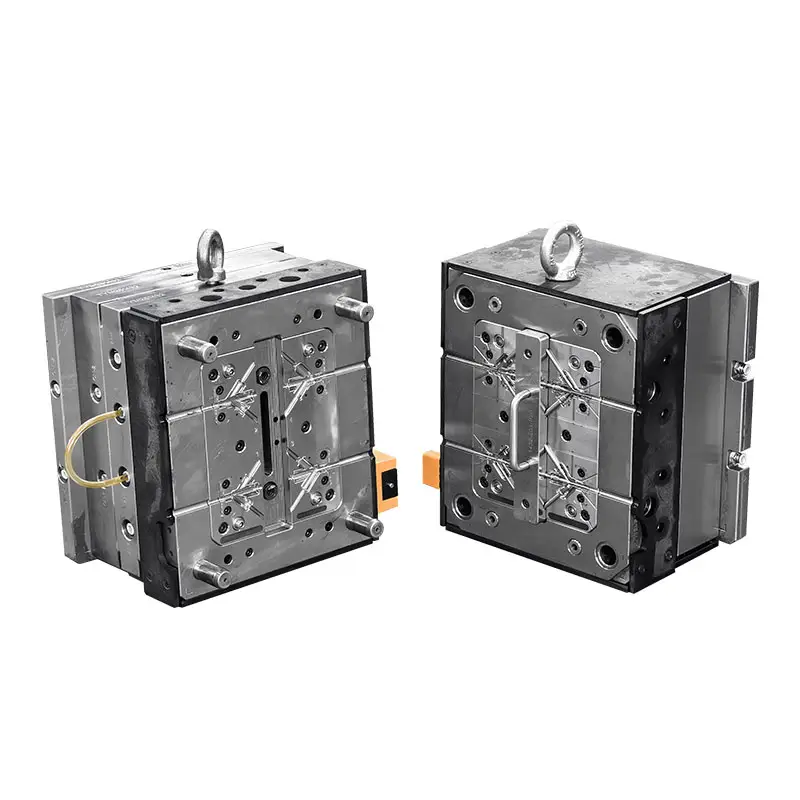
Core Movable LSR Mold for Silicone Pacifiers
A core movable LSR mold uses movable core bars and exchangeable inserts to support the production of silicone pacifiers and connecting tubing. This guide explains how the design works, where it can improve changeover flexibility, what to check in tooling specifications, and how TYM’s interchangeable insert mold can support product families that share a mold base but require different geometries.
2026-10-28
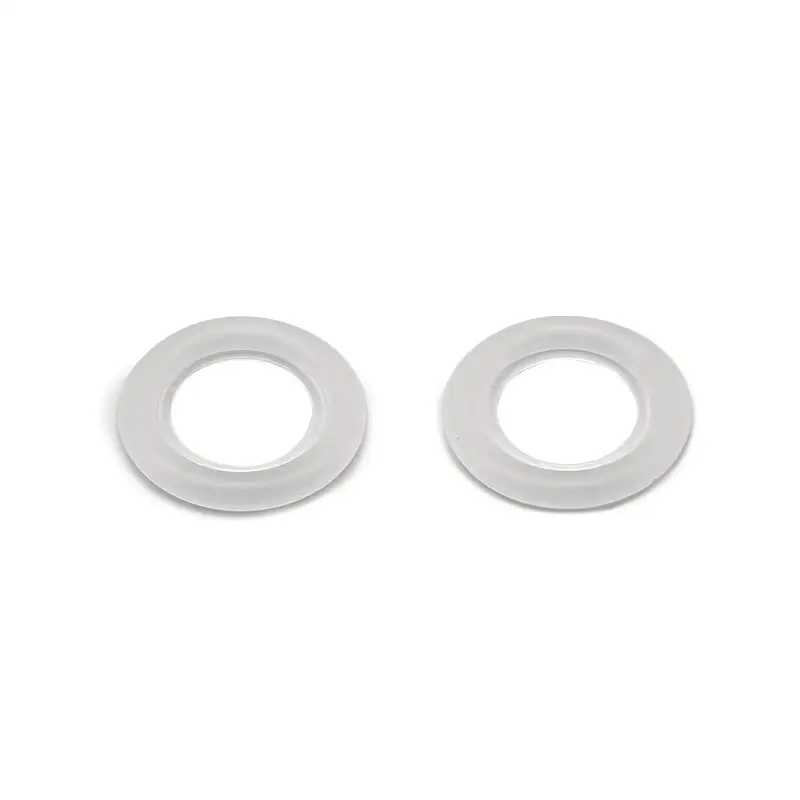
Standard LSR Mold for O-Ring Production
A standard LSR mold with a 2-platen design can provide a practical production setup for O-rings, axial seals, and other general silicone parts. Successful results depend on matching the mold to the LSR material, molding machine, part geometry, venting, cavity layout, curing conditions, and demolding method. This guide explains the key design checks, common production problems, and how TYM’s standard LSR mold supports seal manufacturing.
2026-10-27
Hydraulic LSR Dosing System Buying Guide
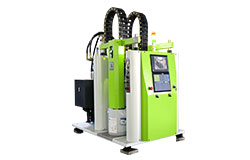
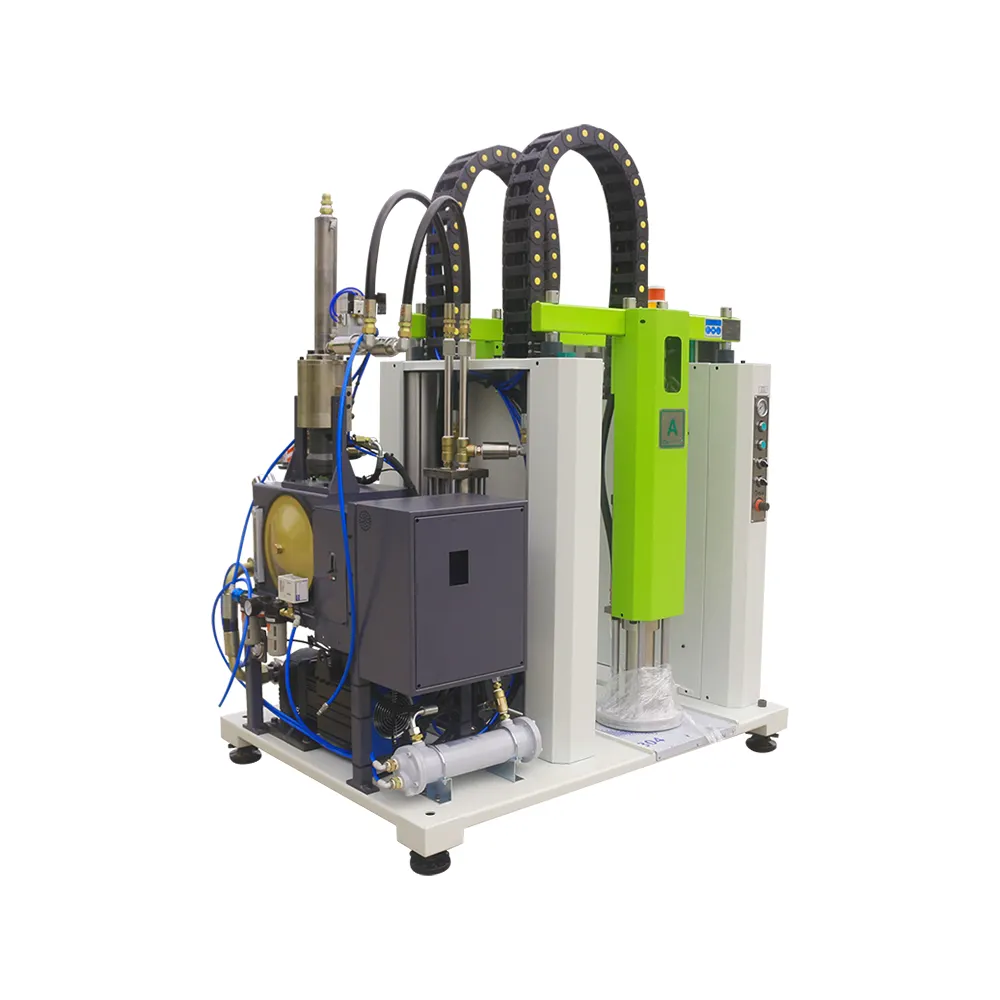
Choose a hydraulic LSR dosing system by matching its feeding method, material handling, dispensing process, production volume, and supporting equipment to your application. This guide explains what to verify before purchase, how to compare system configurations, and how Tianyuan’s hydraulic and pneumatic liquid silicone gel feeding machine supports continuous feeding, point glue, filling, and solid-to-liquid production processes.
2026-10-26
Key Features of Modern Electric Servo LSR Dosing Systems
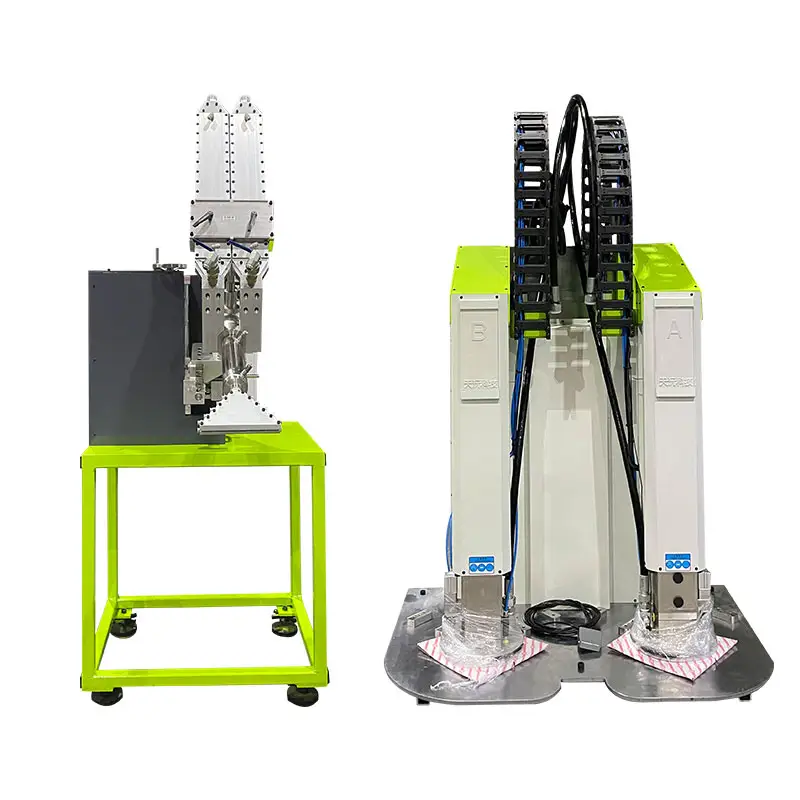
A modern electric servo LSR dosing system supports accurate, repeatable liquid silicone rubber metering through controlled dispensing, adjustable process settings, and integration with production equipment. When comparing systems, assess material compatibility, dose consistency, changeover and cleaning needs, safety, service support, and the supplier’s ability to match the configuration to your application. Tianyuan’s liquid silicone gel feeding machine combines hydraulic and pneumatic systems for continuous feeding and processes including dot gluing and filling, with applications such as silicone foam, silicone plugs, cable accessories, and encapsulated rubber products.
2026-10-25
Vertical LSR Injection Molding Machine Applications
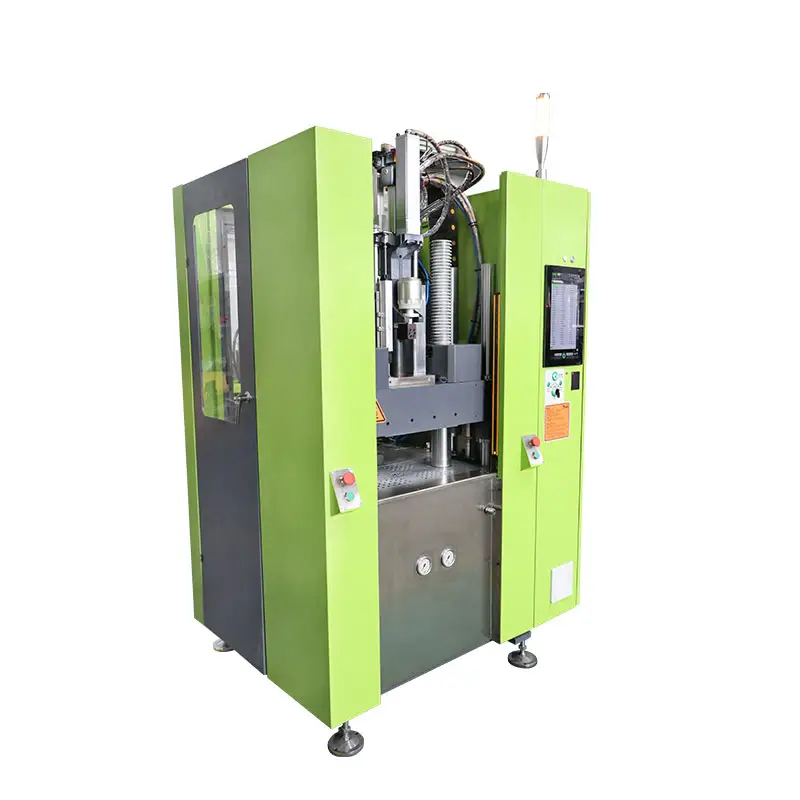
A vertical micro LSR injection molding machine is designed for precise, repeatable production of small liquid silicone rubber components, especially where controlled dosing, insert molding, or a compact part geometry matters. This guide explains its core applications, material and process considerations, selection criteria, and how a precision piston-barrel design can support micro-molding while emphasizing the need to validate performance with the actual material, mold, and production process.
2026-10-24
Vertical Rotary Micro LSR Injection Molding Machine Guide
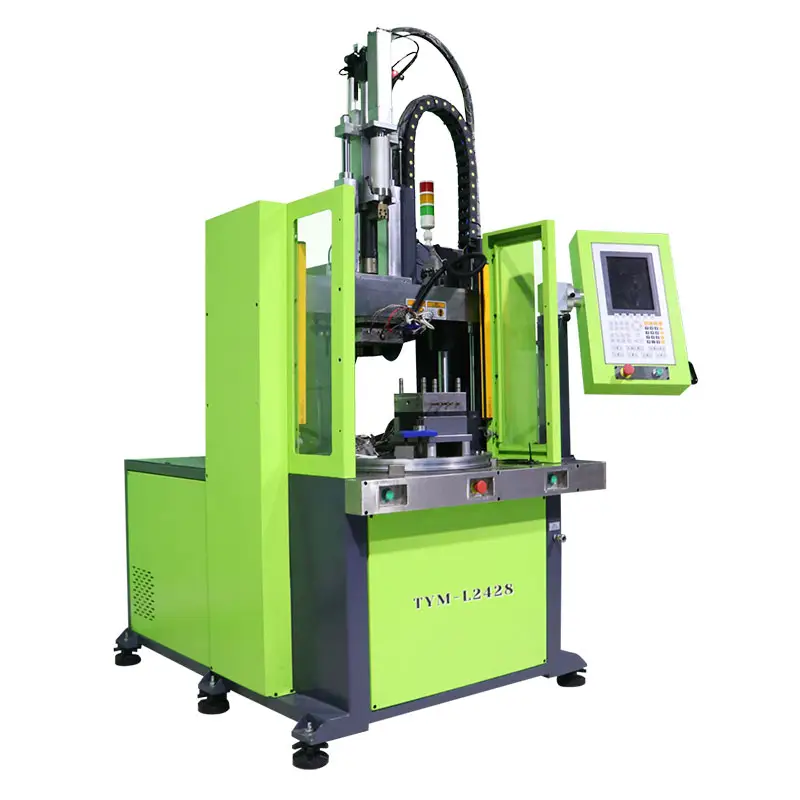
A vertical rotary micro LSR injection molding machine combines small-shot metering and injection with a rotary workstation layout to help manufacturers produce compact, precision liquid silicone rubber parts. This guide explains how the machine works, what its piston-structure barrel and stated 0.0032 g theoretical output accuracy mean, how to assess rotary-table and process requirements, and what to verify before purchasing or validating a production process.
2026-10-23
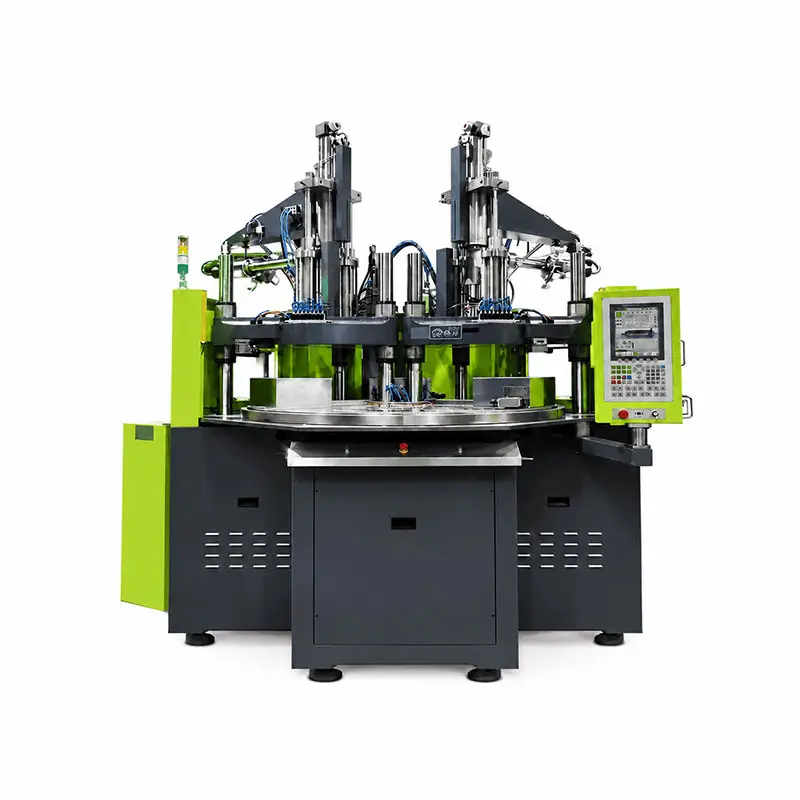
Vertical 2K LSR Injection Molding Machine Features
A vertical 2K LSR injection molding machine combines thermoplastic and liquid silicone rubber (LSR) molding in one coordinated production cycle. Key features to assess include independent injection and metering control, precise mold alignment, reliable insert handling, material compatibility, temperature management, process monitoring, and changeover requirements. The right double-color system can reduce handling steps and support repeatable overmolded components for medical, automotive, and 3C electronics applications, provided the machine, mold, materials, and validation plan are designed as one process.
2026-10-22
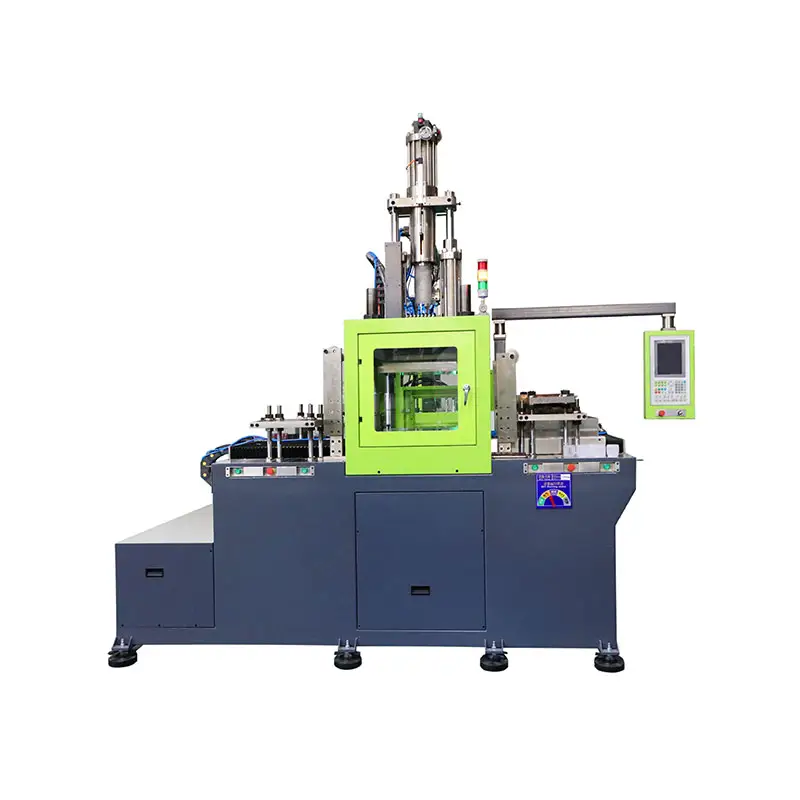
Benefits of 3RT Clamping for LSR Injection Molding
A 3RT clamping configuration can support staged mold opening, part access, and demolding in liquid silicone rubber production when the mold and machine are designed to work together. This guide explains the potential benefits, selection criteria, process controls, and how a vertical 3RT LSR injection molding machine can help manufacturers adapt existing silicone tooling and production workflows.
2026-10-21
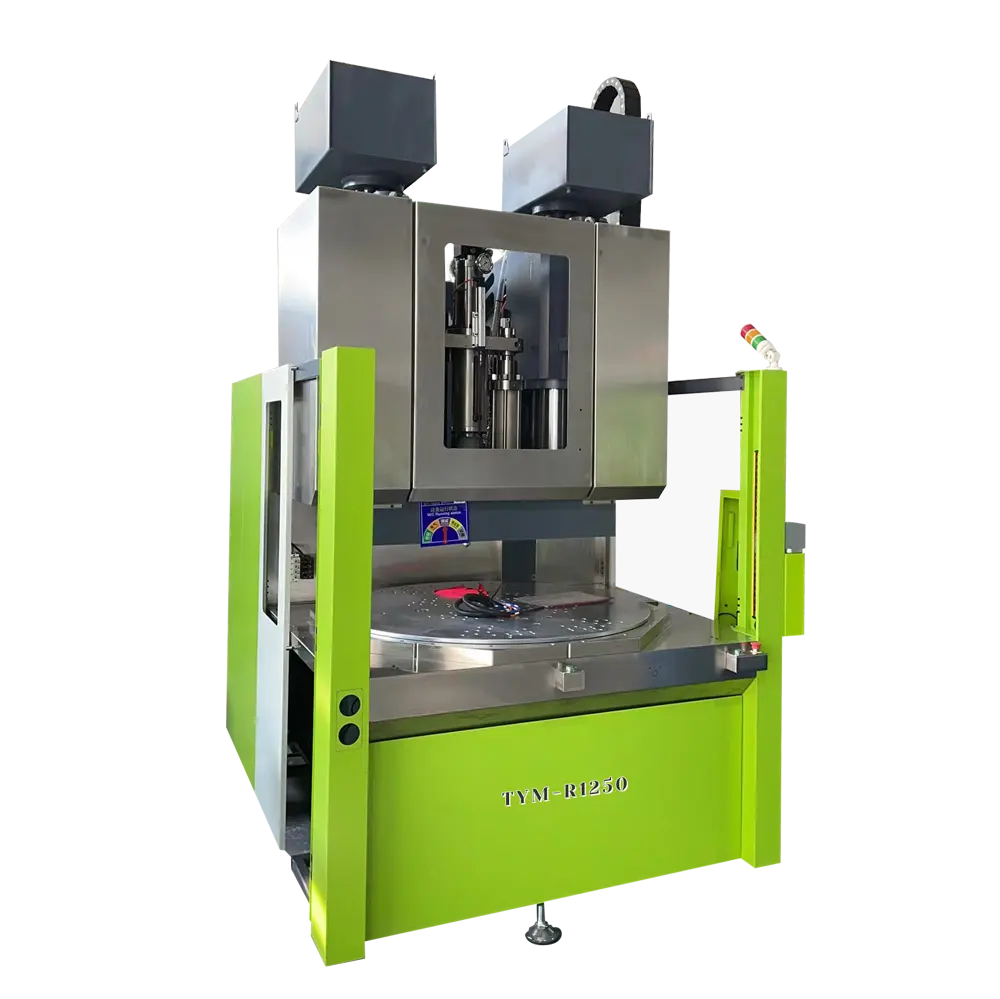
Two-Component LSR Injection Molding Solutions
Two-component liquid silicone rubber (LSR) molding combines silicone with a second material or component to produce integrated parts in a controlled, repeatable process. A vertical turntable LSR injection molding machine can support this work through a vertical mold-closing arrangement, two lower molds, and servo-controlled rotary positioning. This guide explains process choices, machine selection, part design, quality controls, automation, and the questions manufacturers should resolve before investing.
2026-10-20
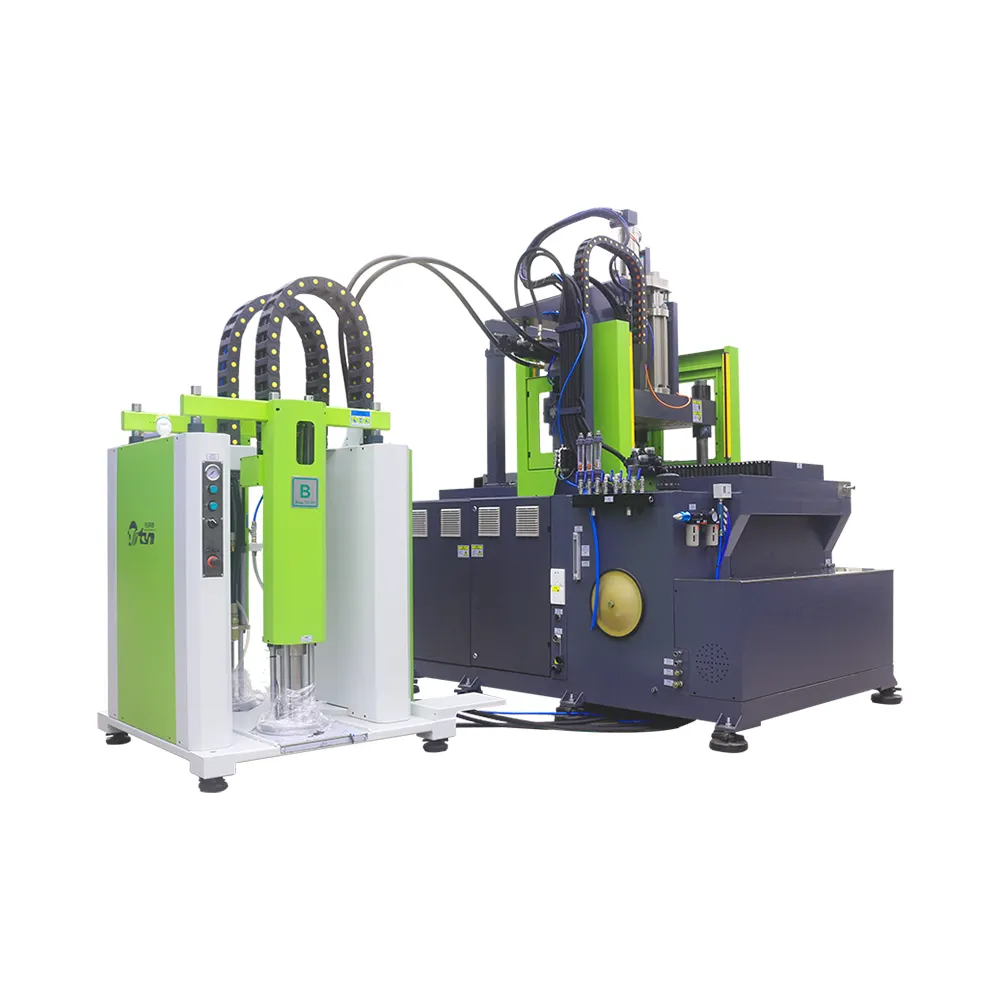
How Vertical LSR Injection Molding Machines Work
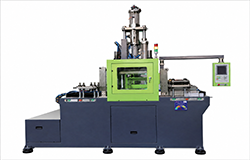
A vertical LSR injection molding machine meters and mixes liquid silicone rubber, injects it into a closed heated mold, and holds the material while it cures. Its vertical mold movement and optional double-slide-plate arrangement—one upper mold and two lower molds—can support two-station production and simplify insert loading for silicone-overmolded products. Learn the machine’s operating cycle, key components, setup considerations, and how to assess whether a vertical configuration fits your parts and production goals.
2026-10-19
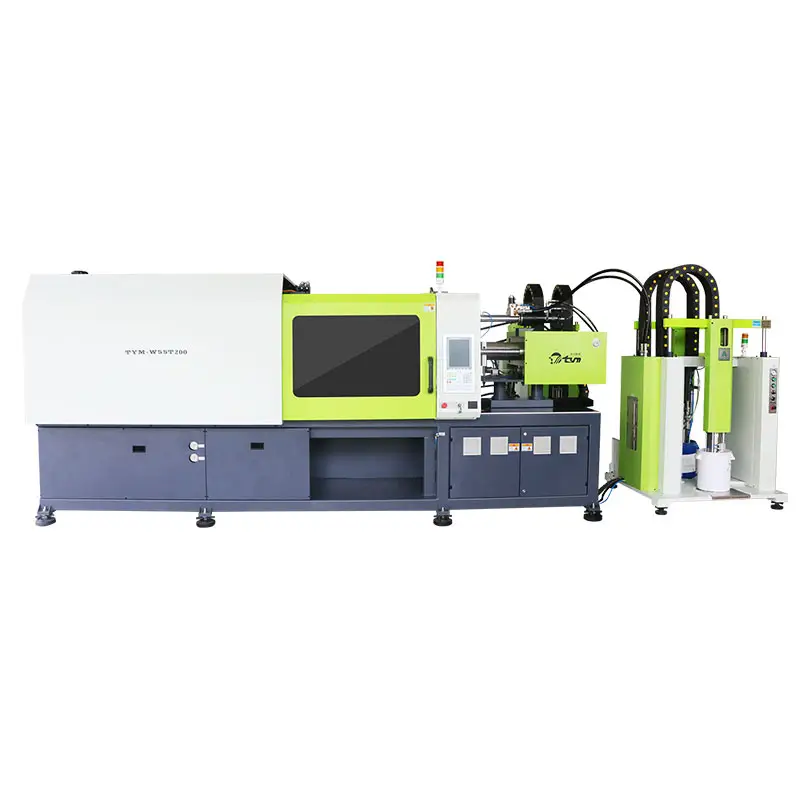
Two-Color LSR Molding for Wearable Device Components
Two-color liquid silicone rubber (LSR) molding combines two colors or hardness levels in one component, enabling wearable-device makers to integrate seals, grips, buttons, and soft-touch surfaces while reducing assembly steps. A horizontal two-color / 2K LSR injection molding machine uses separate injection and feed systems under unified control to form both materials in one machine cycle. Successful production depends on material compatibility, part and mold design, controlled dosing, validated process settings, and testing suited to the device’s intended use.
2026-10-18
How Horizontal Hinged LSR Injection Molding Machines Work
A horizontal hinged LSR injection molding machine meters and mixes liquid silicone rubber, injects it into a heated mold, and holds the mold closed while the material cures. Its direct-pressure mold opening and closing system is suited to LSR parts designed for automatic removal. Understanding the molding cycle, mold design, process controls, and ejection setup helps manufacturers assess whether this machine configuration fits their production needs.
2026-10-17
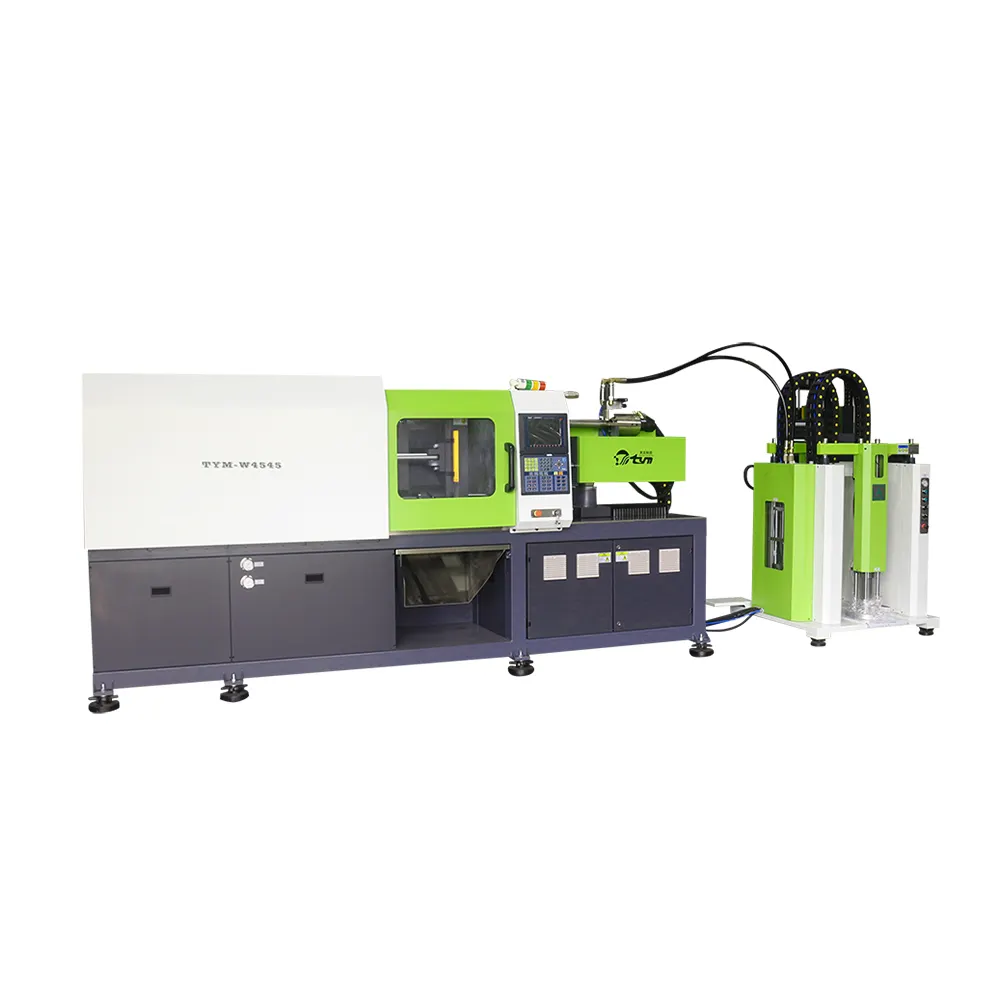
Horizontal LSR Injection Molding Machine Buying Guide
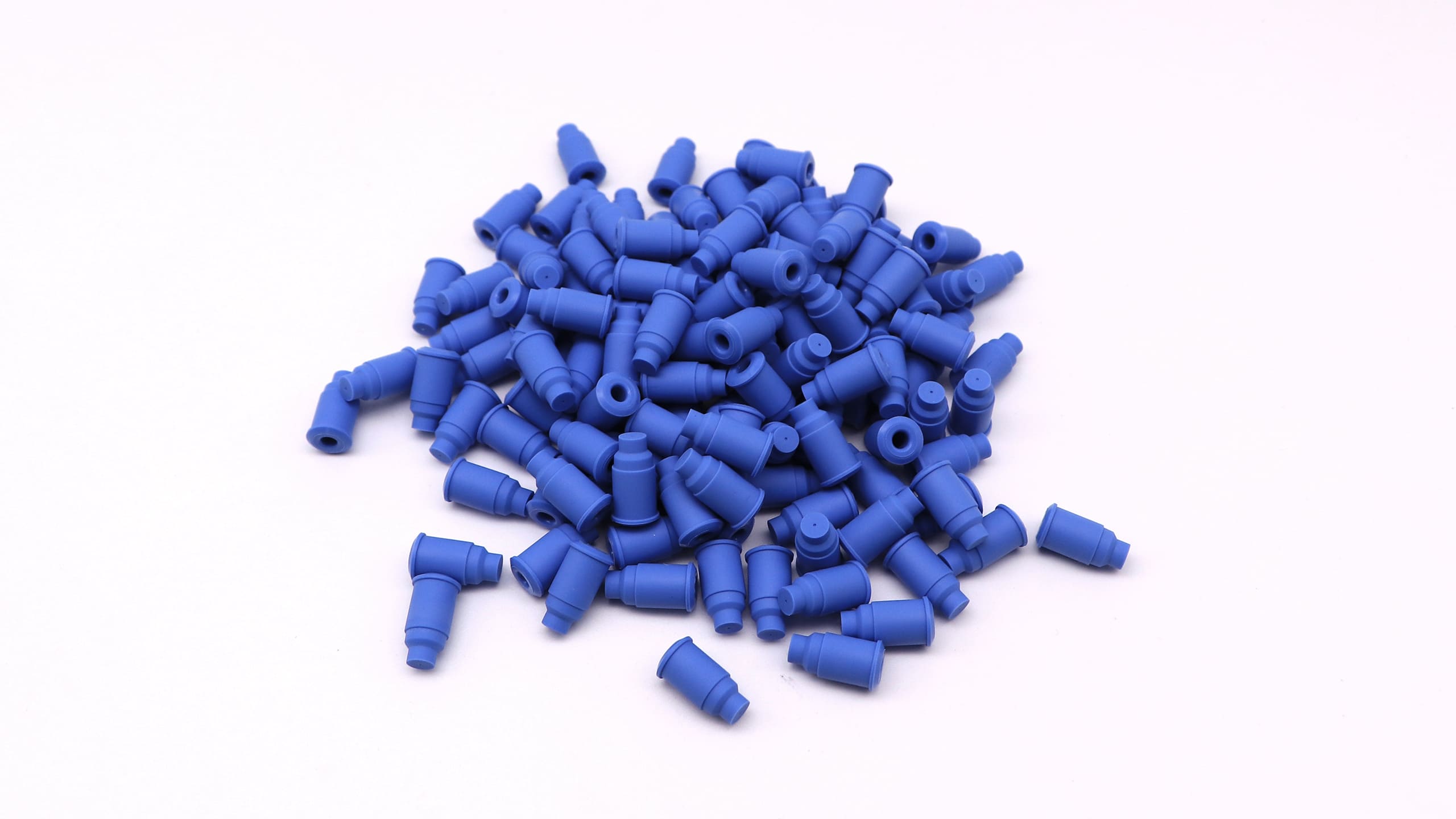
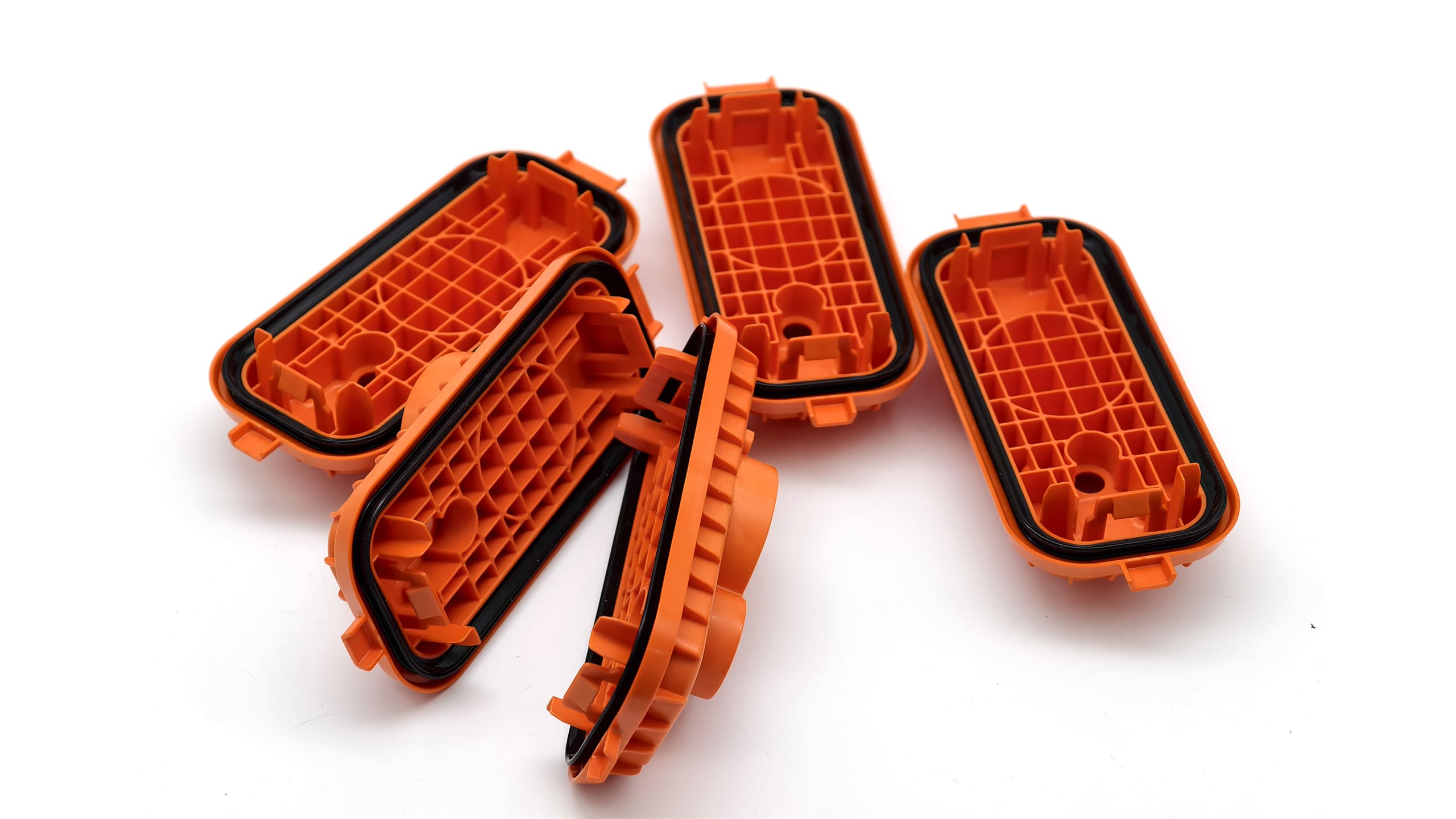
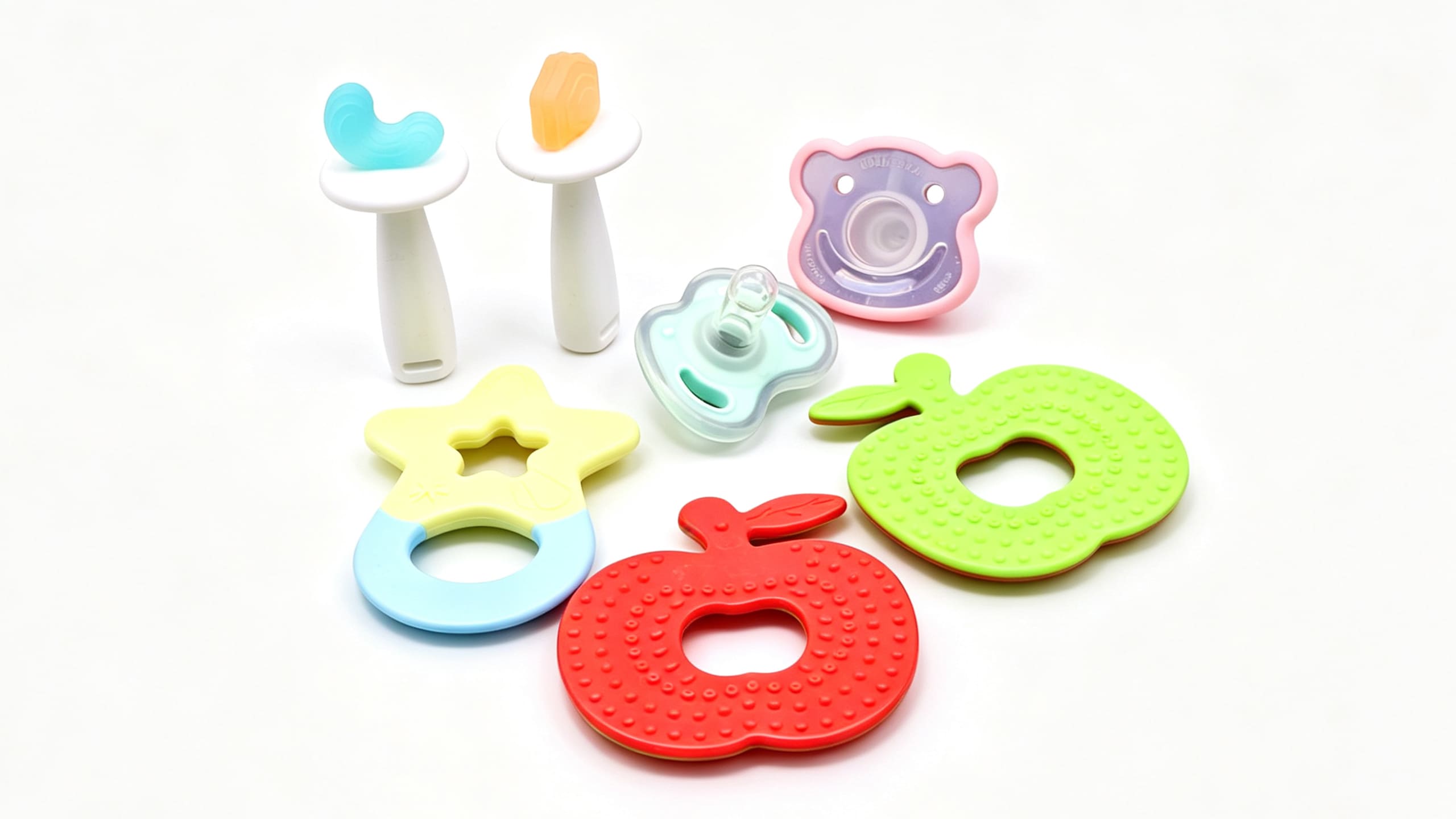
Choose a horizontal LSR injection molding machine by matching its clamping and mold-opening system, shot capacity, dosing and mixing equipment, automation readiness, safety provisions, and validation support to your part and production targets. A direct-pressure mold opening and closing system can suit liquid silicone rubber parts designed for automatic removal, including automotive wiring harness components, baby pacifiers, menstrual cups, and medical valve plugs. Compare the complete production cell—not only the machine price—and verify performance with representative material, molds, and acceptance criteria before purchase.
2026-10-16
Recommended for you
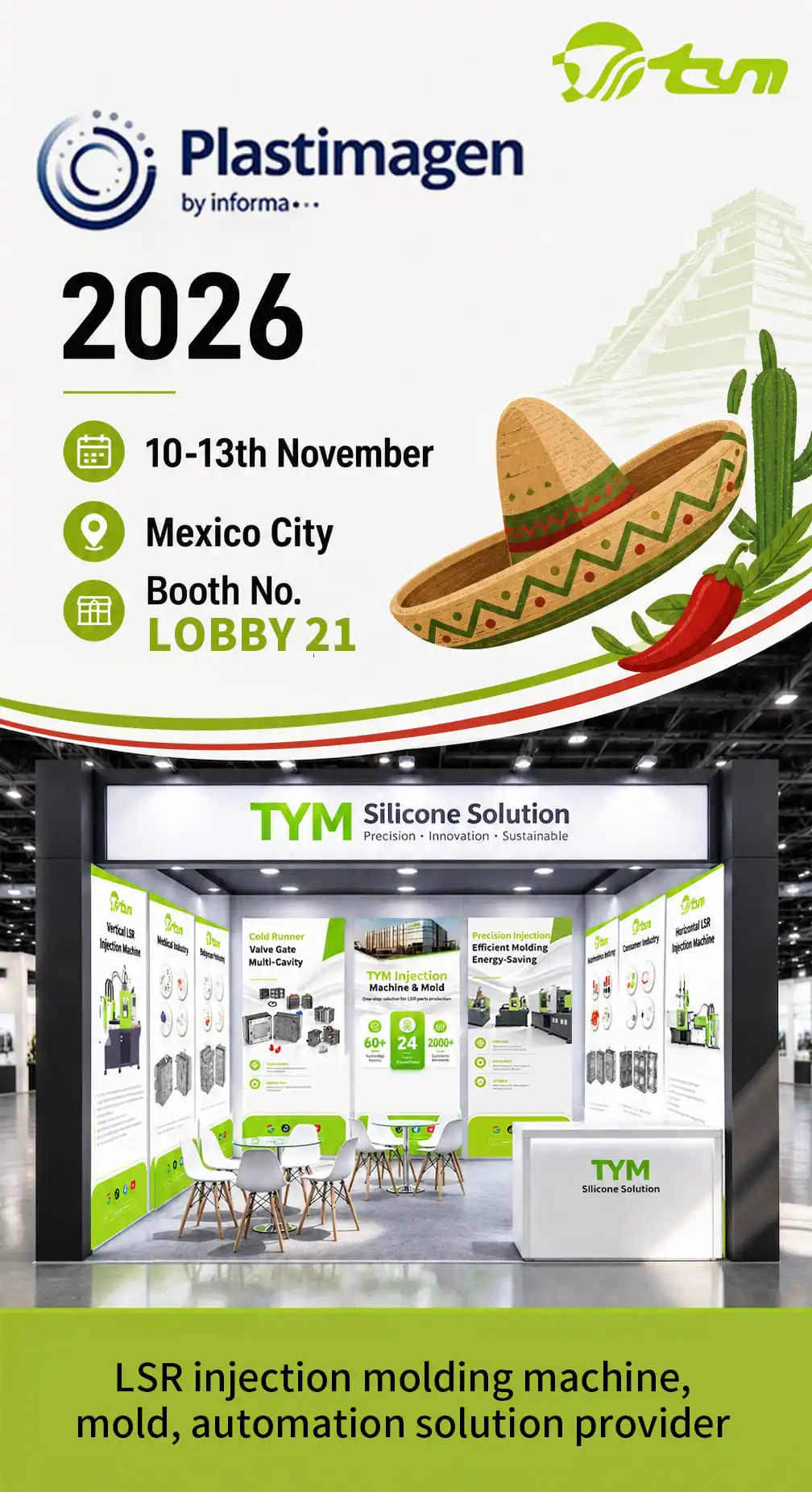
Meet TYM at Plastimagen 2026: LSR Machines, Molds and Automation in Mexico City
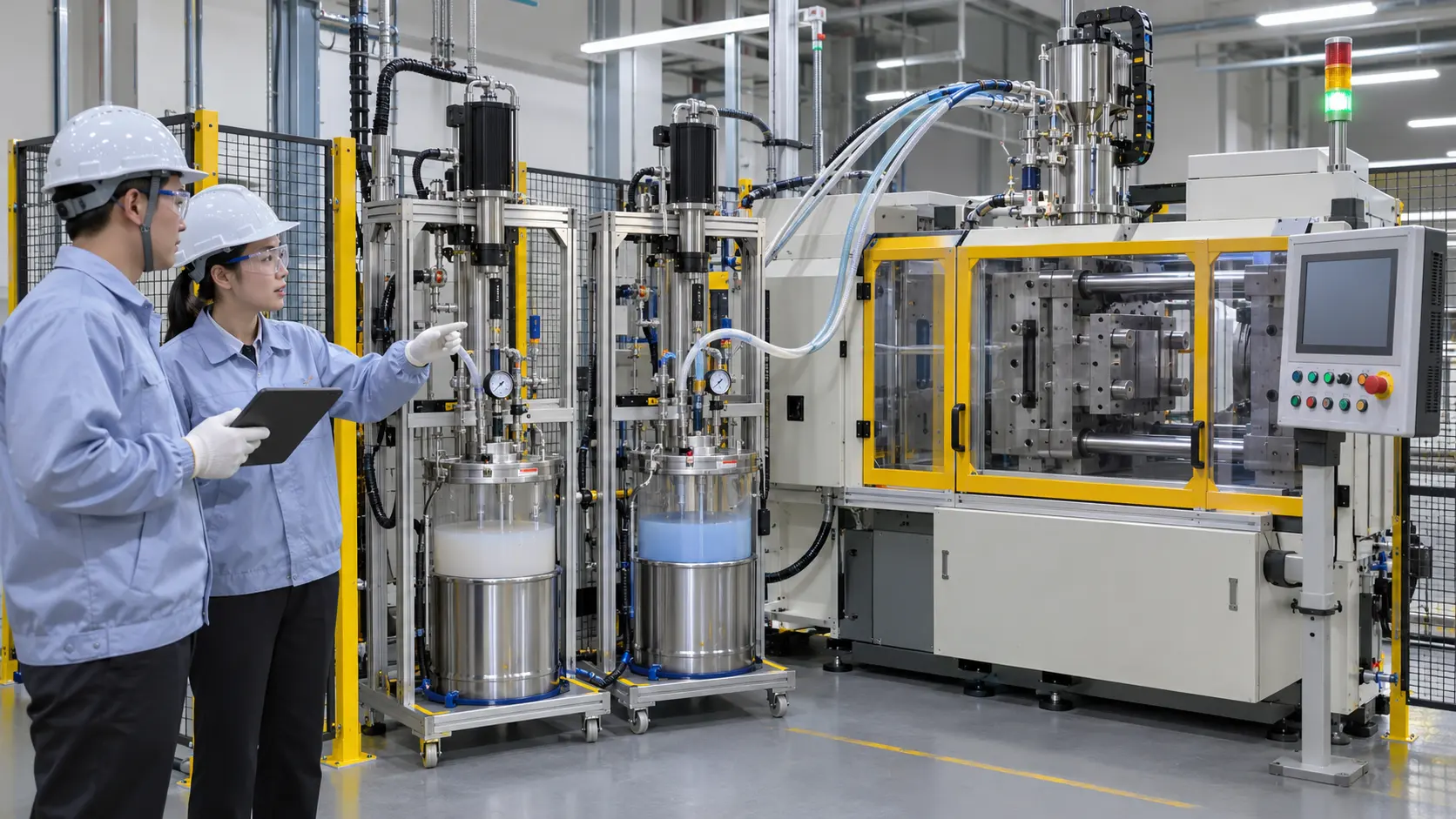
2K LSR Injection Molding Machines for Multi-Material Parts
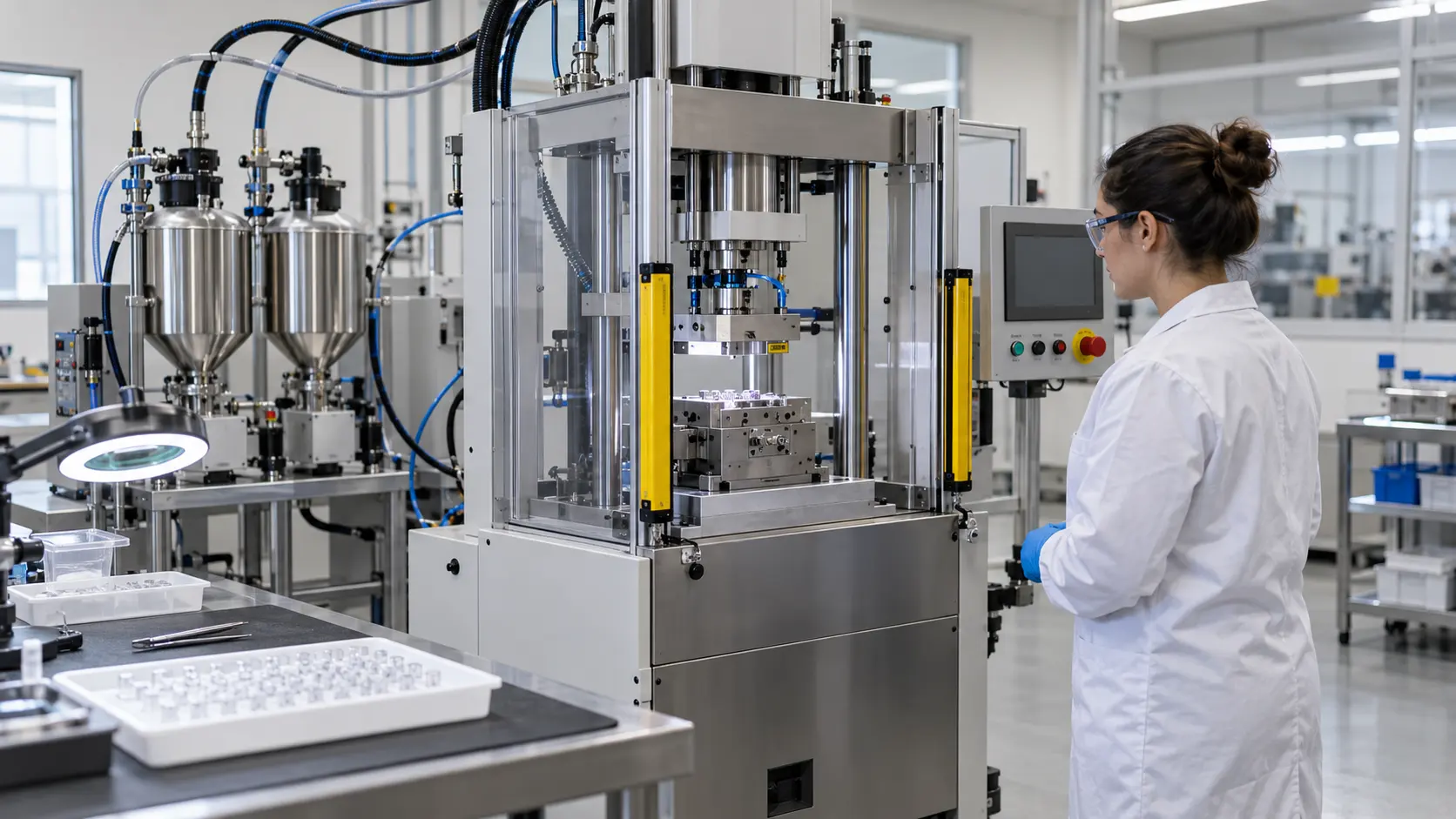
When Do You Need a Micro LSR Injection Molding Machine?
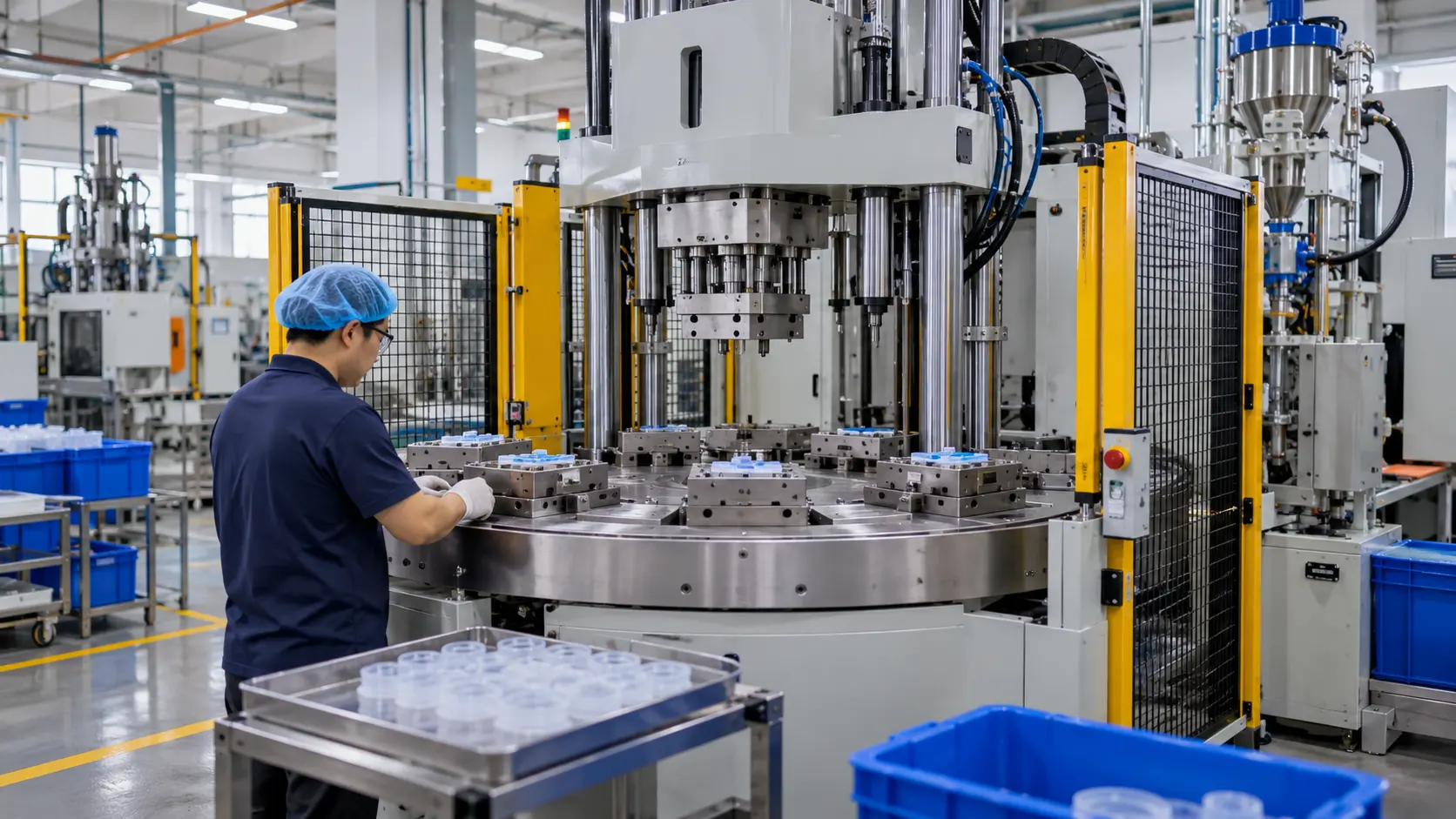
Vertical Rotary Table vs 3RT LSR Injection Molding Machines
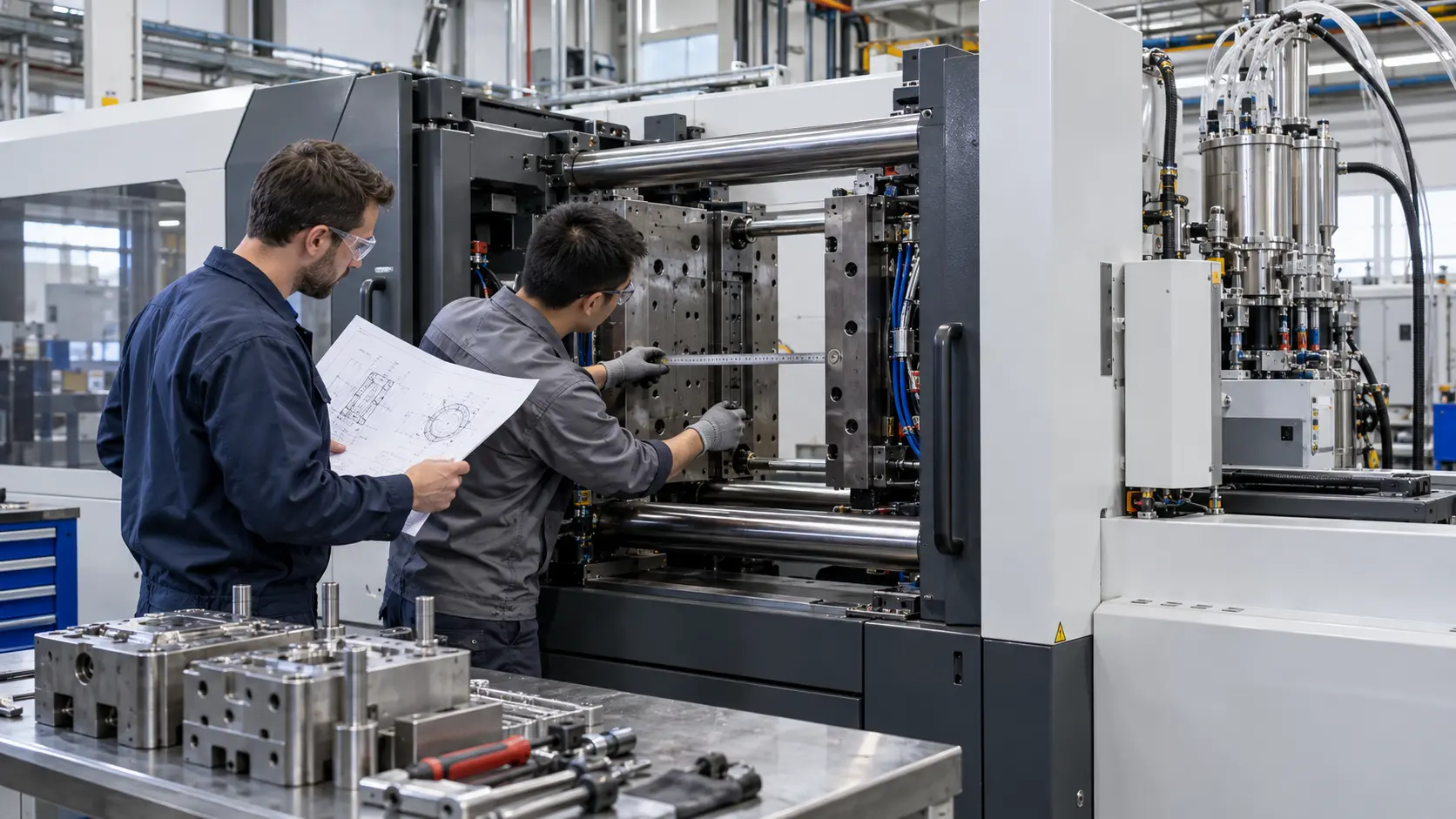
LSR Injection Molding Machine Sizing: Clamp Force, Shot Size and Platen
Have a project in mind? Talk to our LSR experts and get a tailored turnkey solution.
Email: sales01@gdtym.com
WhatsApp/Phone: +86 18814115468
© 2026 TYM. All Rights Reserved.

Facebook
TikTok
TYM Silicone Machinery