











Barrel Back Pressure Settings: Impact on Bubbles and Density in LSR Parts
Back pressure on the LSR injection barrel affects trapped air and material density uniformity more than many process sheets acknowledge. Here's how to set it correctly.
Back pressure — the resistance applied against the screw as it retracts during the metering (recovery) phase of an injection cycle — is a process parameter that often receives far less attention than injection speed, injection pressure, or cure time on a standard process sheet. For liquid silicone rubber specifically, back pressure setting has a direct and sometimes underappreciated influence on two closely related quality characteristics: trapped micro-air content and overall shot-to-shot density consistency.
What Back Pressure Actually Controls
During the metering phase, as the screw retracts to prepare the next shot, back pressure controls the resistance the material experiences while being pushed forward past the screw's non-return valve into the barrel's forward section. This resistance affects how thoroughly the material is compacted and how effectively any entrained air is compressed or expelled during this stage, before the material ever reaches the mold cavity.
- Higher back pressure generally increases mixing and compaction of the material as it's metered, which can help compress and reduce the size of small air pockets that may already be present in the material or introduced during the metering process itself.
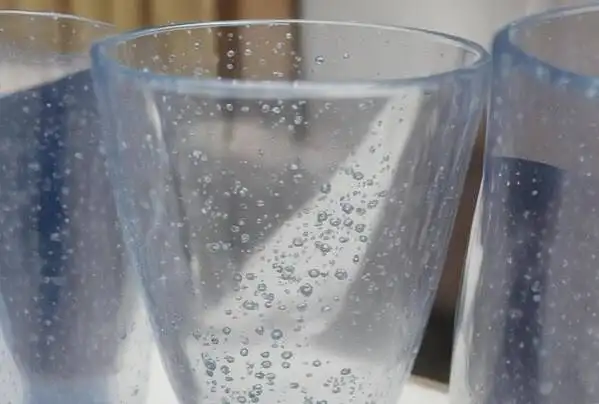
- Insufficient back pressure can allow air to remain loosely entrained in the metered shot, increasing the likelihood that this air ends up as visible or sub-surface bubbles in the finished part, independent of how well the mold itself is vented.
- Back pressure that's too high can introduce its own problems — excessive shear heating of the material during metering, longer cycle times due to slower screw recovery, and in some cases, premature partial curing within the barrel if heat generation becomes significant enough.
Why This Connects Directly to Density Uniformity
Density uniformity — consistent material distribution and consistent absence of internal voids across a shot and across consecutive shots — is closely tied to how consistently the metering phase compacts material shot after shot.
- Inconsistent back pressure control, whether due to equipment wear, control system limitations, or simply a poorly chosen setpoint, can produce shot-to-shot variation in how well air is compacted out of the metered material, leading to inconsistent bubble content across a production run rather than a single, uniform defect level.
- For parts where consistent density directly affects function — certain sealing applications, or parts where mechanical properties depend on uniform internal structure — back pressure variation can translate into functional inconsistency that isn't always caught by surface-level cosmetic inspection alone.
Why This Is Easy to Overlook in Troubleshooting
When bubble-related defects appear, mold venting and vacuum-assisted injection (where available) are often the first areas investigated, since they directly and visibly relate to air escaping the cavity during fill. Back pressure, being a metering-phase parameter rather than an injection-phase parameter, is frequently checked later in the investigation sequence, or not checked at all if venting-related fixes appear to resolve the visible symptom without addressing an underlying back-pressure-related root cause.
- A mold with excellent venting can still produce bubble defects if the material entering the cavity already carries entrained air from an undercompacted metering phase — venting can only remove air that reaches an actual vent path, not air that's dispersed as fine bubbles throughout the material itself.
- This distinction matters diagnostically: bubbles that appear as fine, distributed micro-voids throughout a part's cross-section (rather than concentrated at a specific, predictable last-fill location) are more likely to originate from metering-phase air entrainment than from cavity venting limitations, and pattern recognition here can save significant troubleshooting time.
How to Approach Back Pressure Setting
- Start from the material supplier's recommended range for the specific compound, since back pressure needs can vary meaningfully between different LSR formulations and viscosities, rather than applying a generic setting across all materials run on the same machine.
- Evaluate trial shots specifically for distributed micro-bubble content, not just visible surface defects, using appropriate inspection methods (cross-sectioning, X-ray, or other internal inspection as appropriate for the application's criticality) to assess whether a given back pressure setting is adequately compacting the material.
- Balance against cycle time and shear heating concerns — the goal is finding the setting that adequately compacts material and reduces entrained air without introducing excessive shear heat or unnecessarily extending metering time, which usually requires trial-based validation rather than defaulting to the highest setting available.
- Re-validate back pressure setting after any material change, including a supplier switch (as covered in the broader context of process re-validation after switching raw material suppliers), since a setting validated for one material's viscosity and air-entrainment tendency may not be optimal for another.
Questions to Ask When Troubleshooting Bubble or Density Issues
- Has back pressure setting been specifically evaluated as part of bubble-defect troubleshooting, or has investigation focused primarily on mold venting and injection-phase parameters?
- Is bubble content distributed throughout the part's cross-section, or concentrated at a specific, predictable location — and has this distinction been used to help direct the investigation toward metering-phase versus injection-phase causes?
- What back pressure range has been validated for the specific material and shot size in use, and was this validated through direct trial evaluation rather than assumed from a generic starting point?
- Has back pressure been re-checked after any recent material formulation or supplier change?

You May Also Like
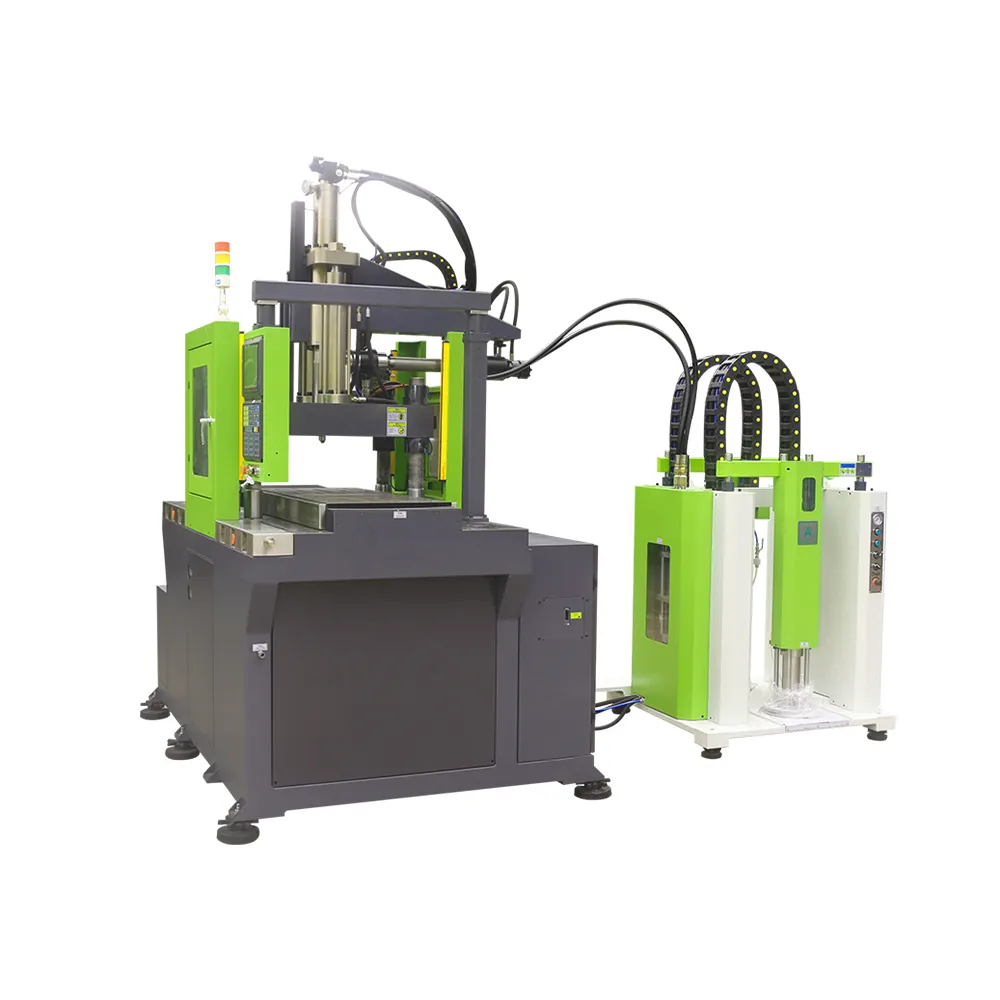
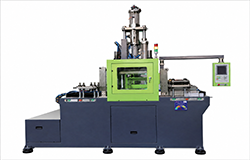
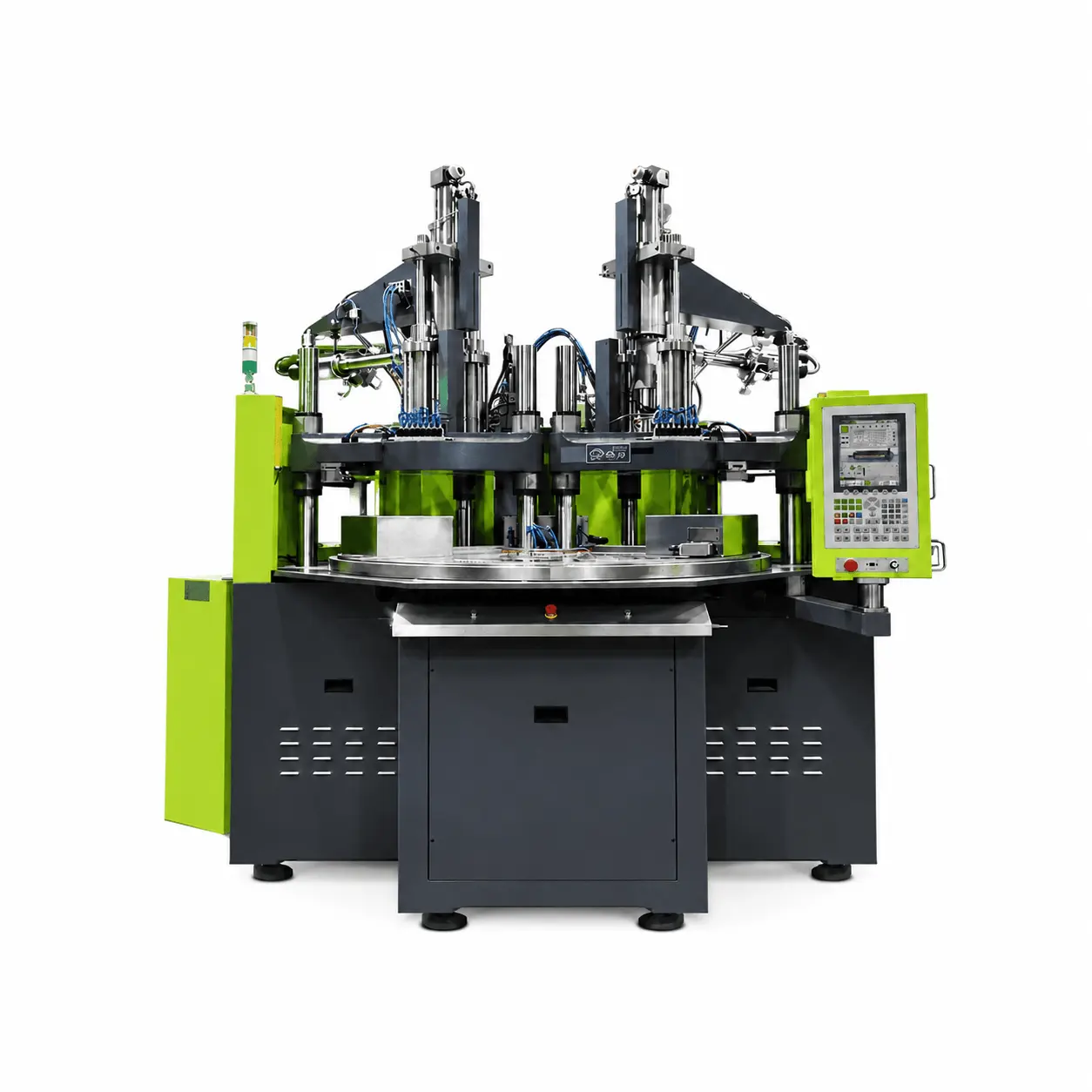
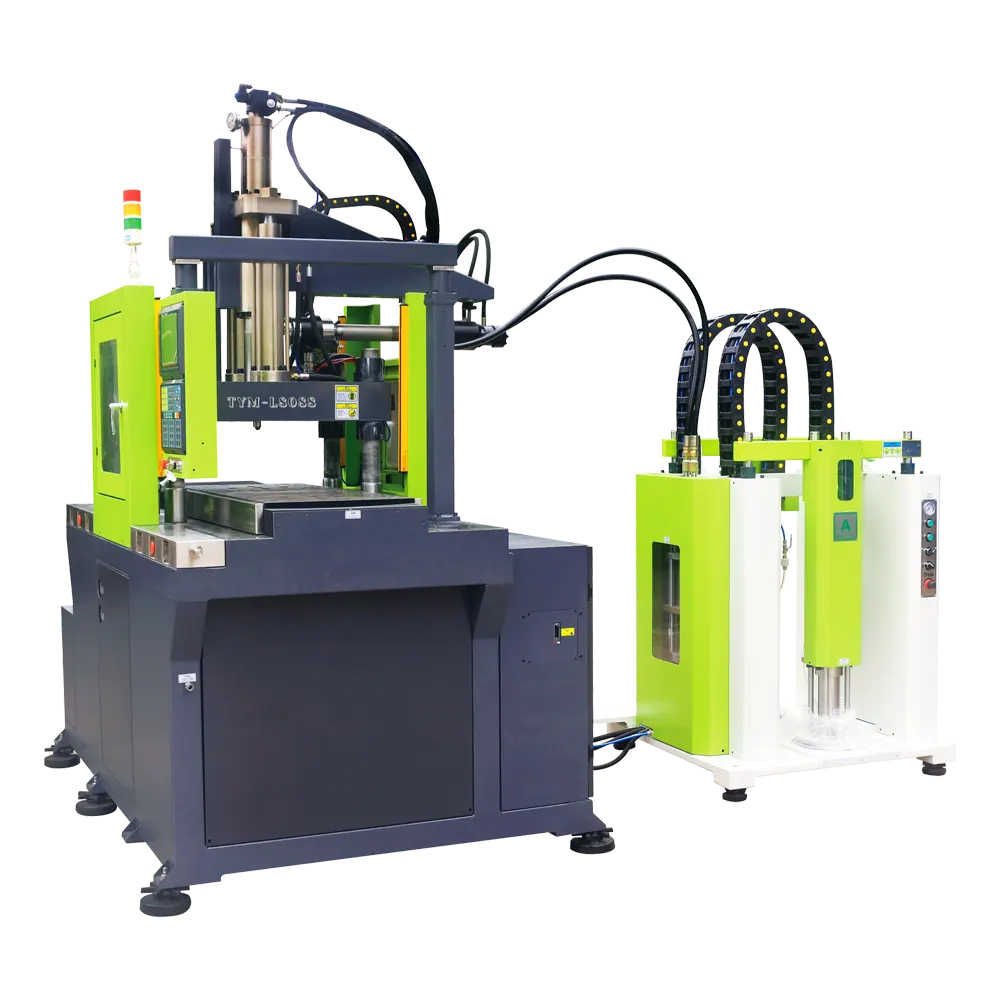
The vertical machine will open and close the mold in the vertical direction. The double slide plate can be installed with one upper mold and two lower molds. It can cooperate with the double station operation to improve the production efficiency, and is more suitable for the production of rubber coated products of silica gel package inserts.
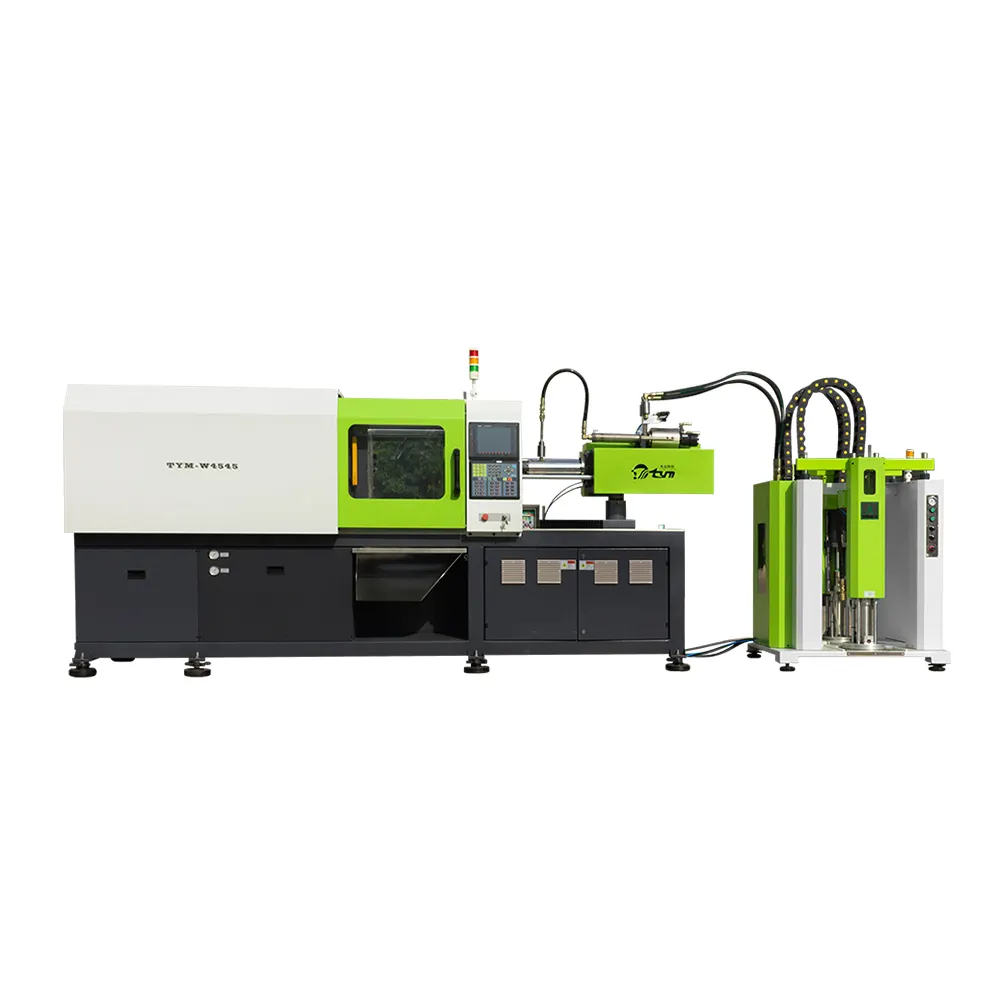
Direct pressure mold opening and closing system.It's more suitable for producing the LSR parts which can be automatically removed from the mold.It can be used for the production of silicone products in multiple industries - automotive wiring harnesses, baby pacifiers, menstrual cups, medical valve plugs.
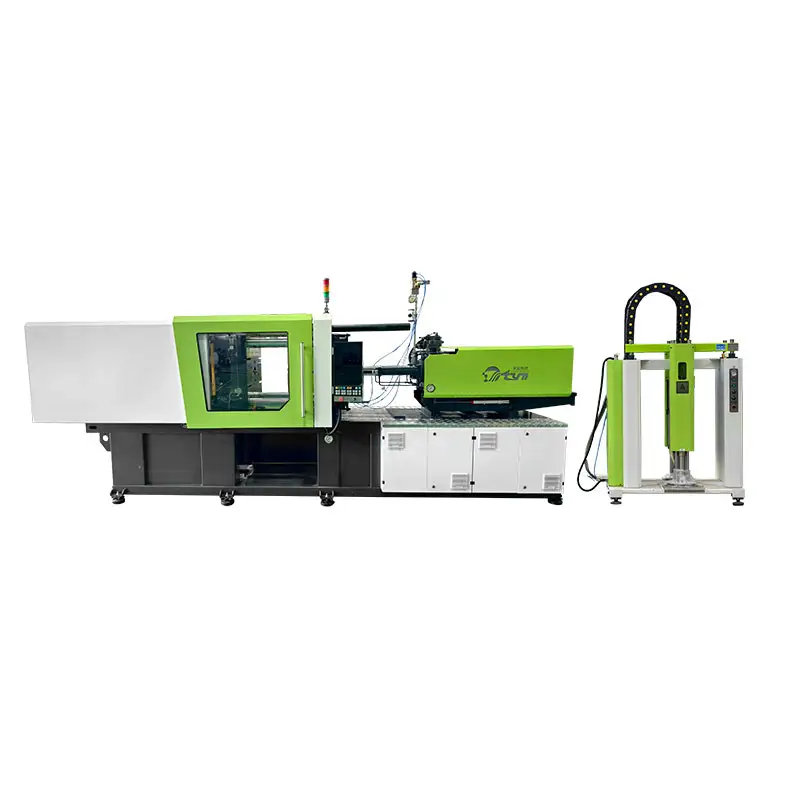
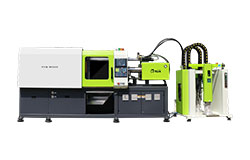
Direct pressure mold opening and closing system.It's more suitable for producing the LSR parts which can be automatically removed from the mold.
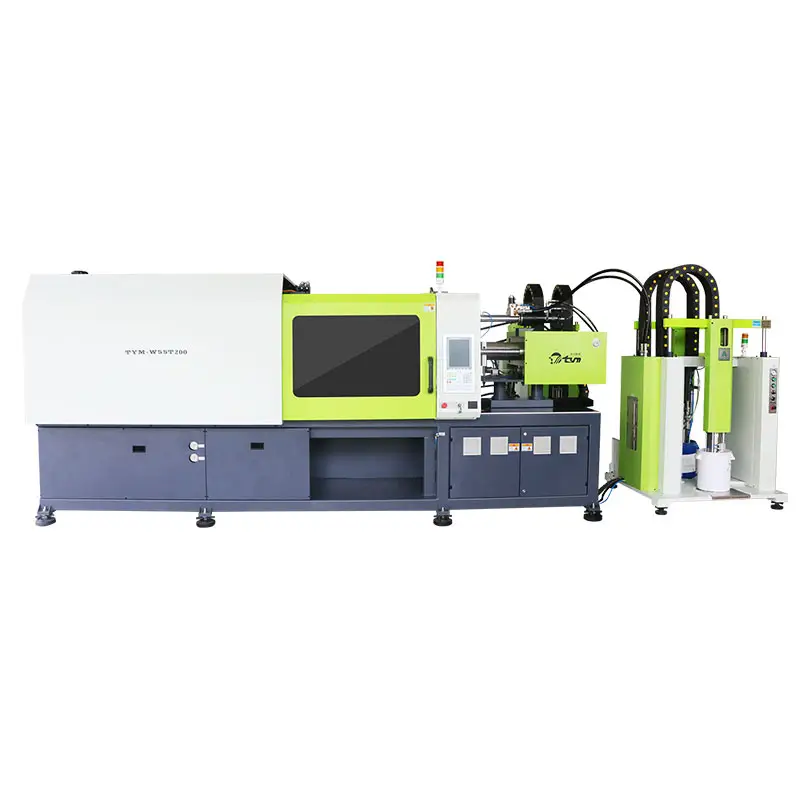
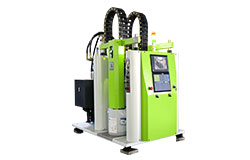
There are two injection units, two separate feed systems and color slurry addition systems. A unified system control panel can be used to achieve two different colors or hardness of liquid silicone. Formed in the machine at the same time, Suitable for the production of double color silicone products or double hardness silicone products.
Inquire About Our Latest Updates
Saw an interesting update or new technology in our news section? Leave us a message below for more detailed information, technical data, or event follow-ups.
Have a project in mind? Talk to our LSR experts and get a tailored turnkey solution.
Email: sales01@gdtym.com
WhatsApp/Phone: +86 18814115468
© 2026 TYM. All Rights Reserved.

Facebook
TikTok
TYM Silicone Machinery