











Gravity's Effect on Insert Overmolding Uniformity in Vertical LSR Injection Machines — and How Equipment Design Compensates
On vertical LSR injection machines, gravity can cause uneven silicone encapsulation around inserts. Learn why, and what equipment-level compensation actually helps.
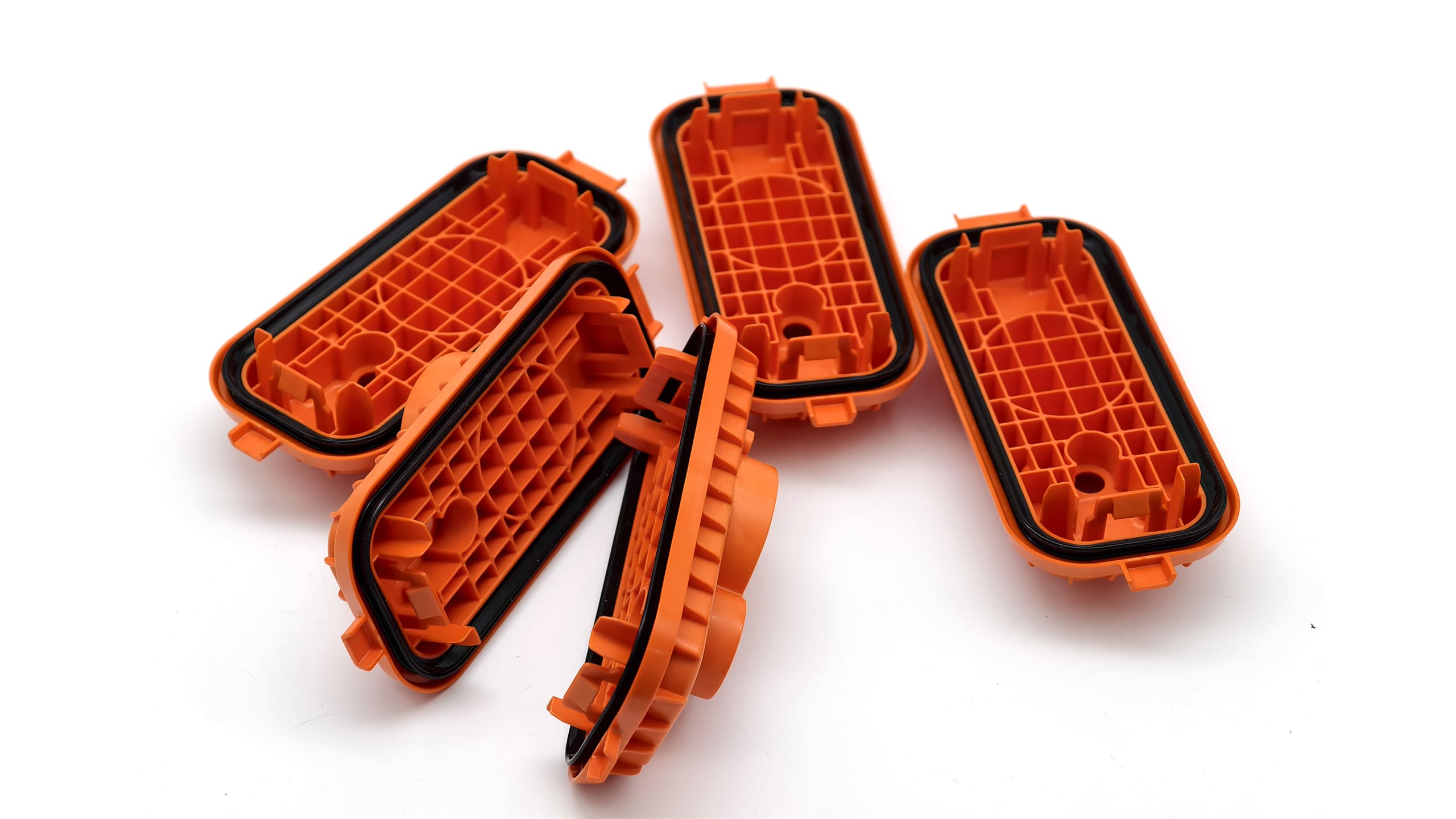
Insert overmolding — encapsulating a metal or plastic component with liquid silicone, common in sensors, connectors, and hybrid mechanical-elastomeric parts — is one of the applications where machine orientation genuinely matters beyond just floor space and operator ergonomics. On vertical injection machines, which are frequently preferred for insert loading because of easier horizontal access to place inserts into an open, upward-facing mold, gravity introduces a specific uniformity challenge that doesn't show up the same way on horizontal machines.
Why Gravity Becomes a Relevant Variable Specifically for Insert Overmolding
For a solid, unsupported cavity without an insert, gravity has relatively limited practical effect on fill uniformity in a well-designed mold — the silicone flows through defined runners and gates into a closed cavity, and mold geometry, not gravitational orientation, dominates flow behavior.
Insert overmolding changes this in one important way: the insert itself can shift slightly within the cavity under the combined forces of gravity and injection pressure, particularly if the insert isn't perfectly centered, isn't held with sufficient support, or has an asymmetric weight distribution.
- A vertically oriented mold combined with an insert that isn't perfectly secured can allow the insert to settle slightly toward the lower side of the cavity under its own weight before or during injection, resulting in a thicker silicone wall on one side of the insert and a thinner wall on the opposite side.
- Injection pressure itself can also push an inadequately secured insert off-center, and gravity can compound this effect in a consistent, directional way specific to vertical machine orientation — meaning the resulting wall thickness imbalance tends to be systematic and repeatable in one direction, rather than random from shot to shot.
- Heavier inserts, or inserts with an asymmetric center of gravity relative to their support points, are more susceptible to this effect than small, lightweight, symmetric inserts, meaning the practical significance of this issue varies considerably by product.
Why This Matters Even When the Effect Seems Small
For many overmolded products, a modest wall thickness imbalance around an insert might seem cosmetically insignificant. It becomes a real functional concern specifically in applications where:
- Uniform encapsulation is required for consistent electrical insulation or sealing performance, common in sensor housings and connector applications, where a thin spot in the silicone wall can become the weakest point for moisture ingress or dielectric performance.
- Consistent mechanical support around the insert affects long-term durability, since an asymmetric wall thickness can create an uneven stress distribution during thermal cycling or mechanical flexing in the finished product's actual use.
- Cosmetic uniformity matters for the finished product's appearance, particularly for consumer-facing overmolded parts where an off-center insert is visually apparent even without functional consequences.
Equipment and Process-Level Approaches to Compensation
Several strategies, often used in combination, address this challenge at the equipment and tooling level rather than relying solely on tighter insert-loading tolerance:
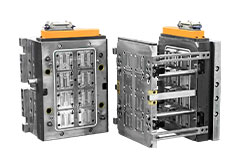
- Insert support and centering features built into the mold design — dedicated locating pins, ribs, or support points that physically constrain the insert's position independent of gravity, rather than relying on the insert simply resting in an open cavity before mold close.
- Balanced, multi-point gating around the insert, rather than a single gate, to promote more symmetric flow and reduce the tendency of injection pressure to push the insert in a single direction.
- Injection speed and pressure profile adjustments specifically tuned for insert-loaded cavities, since a slower initial fill phase can reduce the dynamic force acting on an insert during the critical early stage of injection when displacement is most likely to occur.
- Insert pre-positioning verification systems, such as sensors or vision systems that confirm correct insert placement and seating before mold close, catching a displaced insert before an out-of-spec shot is produced rather than relying on post-molding inspection to catch the defect after the fact.
- Mold orientation and cavity layout choices that position more gravity-sensitive inserts and cavities in locations within the mold where support features can most effectively counteract directional settling, particularly relevant for multi-cavity vertical tooling.
What to Ask an Equipment or Mold Supplier for Insert Overmolding Applications
- Has this specific insert's geometry and weight distribution been evaluated for gravity-related displacement risk on a vertical machine, or is the mold design based on a generic insert-molding approach?
- What specific centering or support features are built into the mold to prevent insert displacement during mold close and injection?
- Has injection speed profile been specifically tuned to reduce dynamic force on the insert during the initial fill phase, particularly for asymmetric or heavier inserts?
- Is there an insert-position verification step before mold close, or does the process rely only on post-molding dimensional inspection to catch displacement issues?
The Practical Takeaway
Gravity's effect on insert overmolding uniformity is a real, well-understood engineering consideration on vertical LSR machines — but it's also a well-addressed one, provided the mold and process are specifically designed with the insert's actual weight and geometry in mind, rather than treating insert molding as a simple variation on standard cavity molding. For buyers sourcing insert-overmolded parts, asking specifically how insert stability is maintained during injection is a more useful qualifying question than asking generally about machine tonnage or cycle time.


You May Also Like
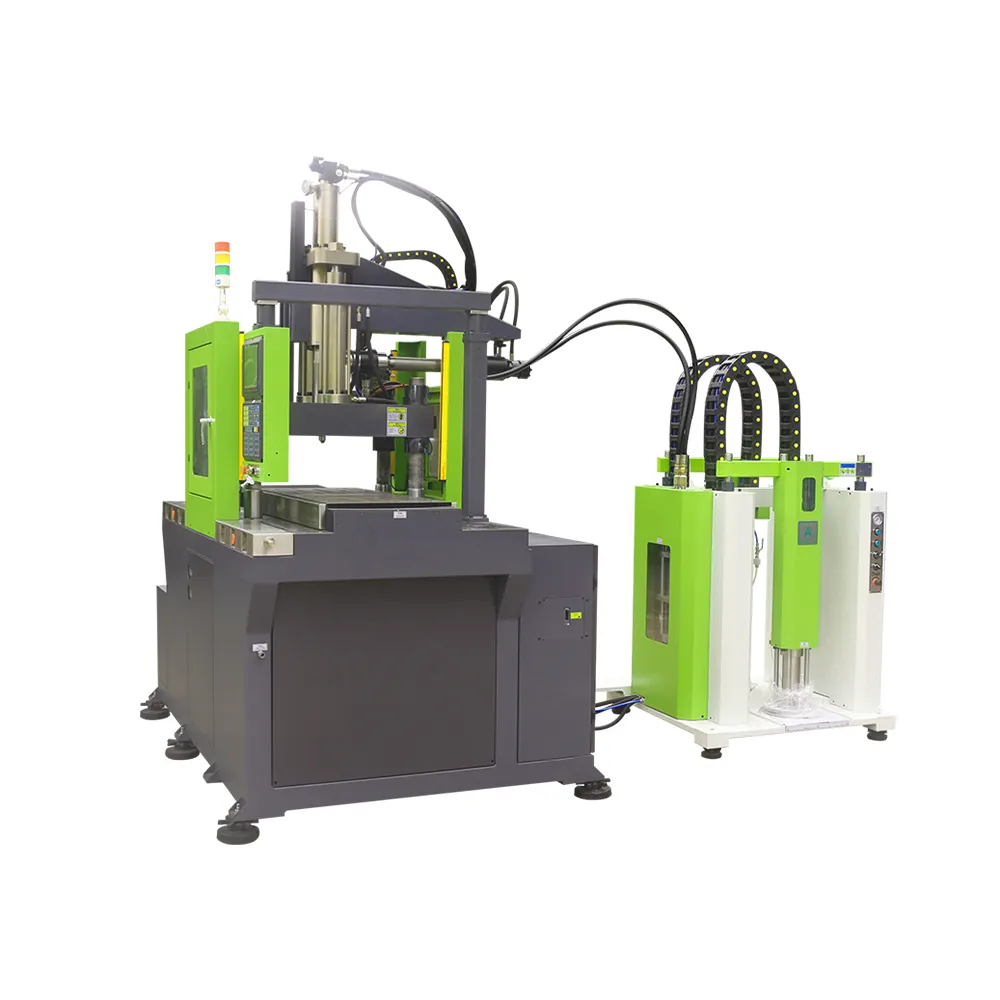
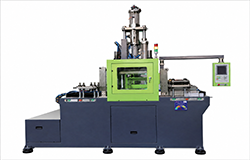
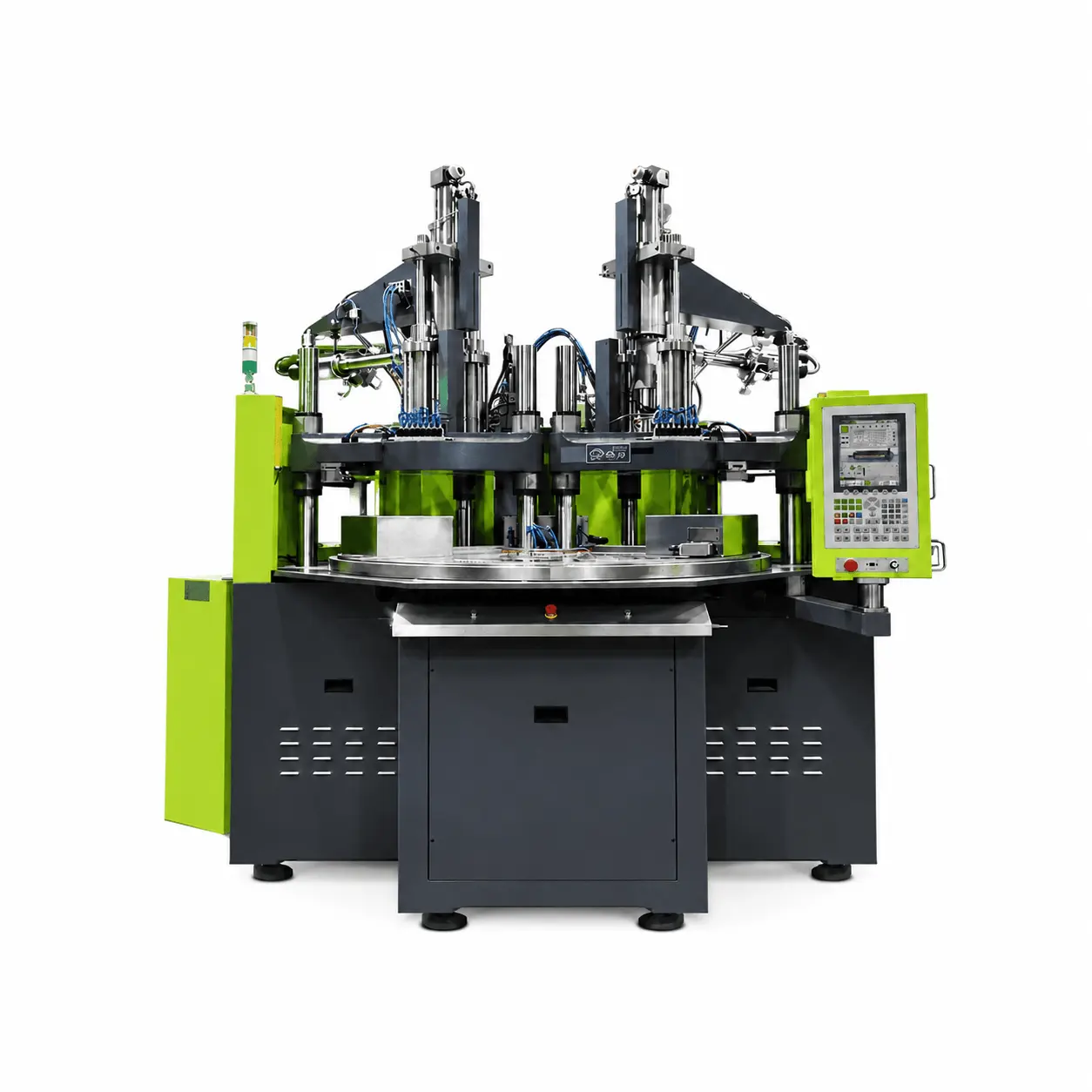
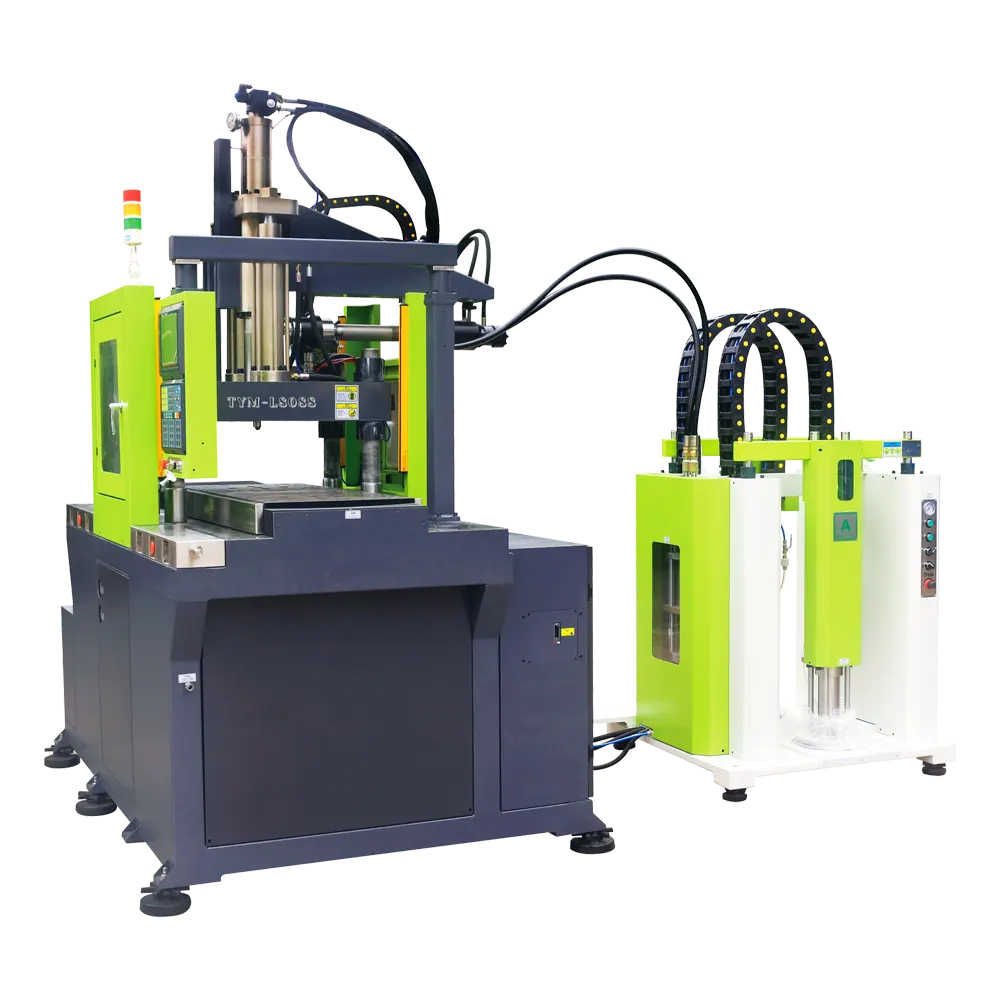
The vertical machine will open and close the mold in the vertical direction. The double slide plate can be installed with one upper mold and two lower molds. It can cooperate with the double station operation to improve the production efficiency, and is more suitable for the production of rubber coated products of silica gel package inserts.
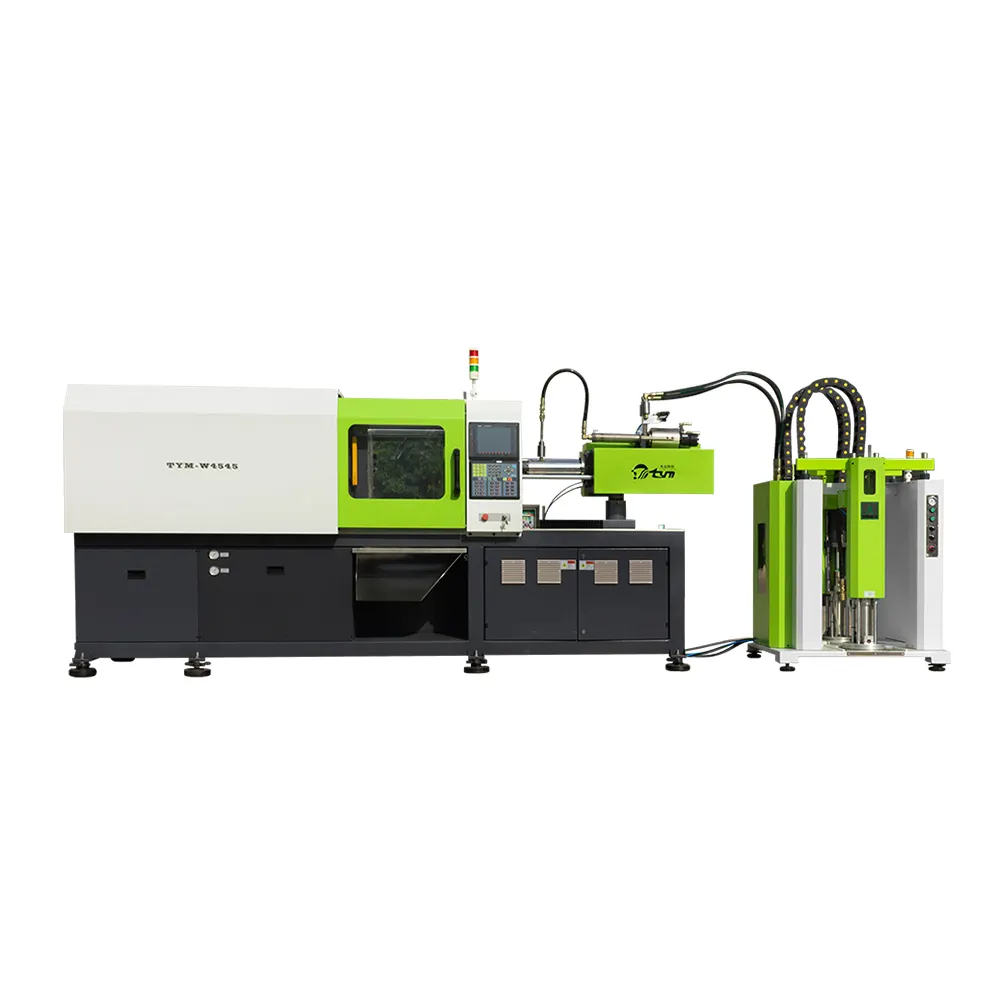
Direct pressure mold opening and closing system.It's more suitable for producing the LSR parts which can be automatically removed from the mold.It can be used for the production of silicone products in multiple industries - automotive wiring harnesses, baby pacifiers, menstrual cups, medical valve plugs.
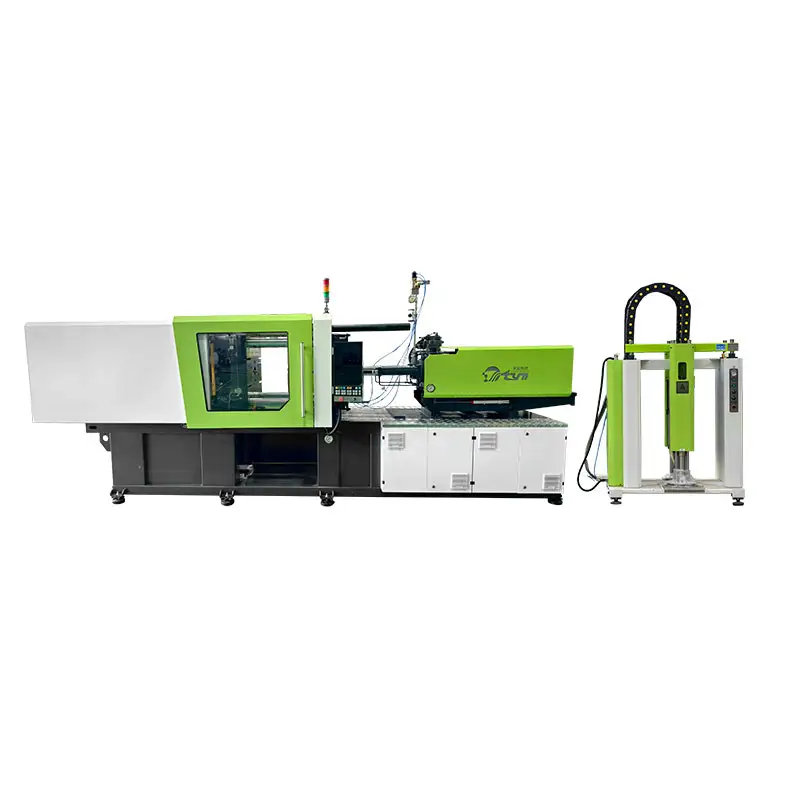
Direct pressure mold opening and closing system.It's more suitable for producing the LSR parts which can be automatically removed from the mold.
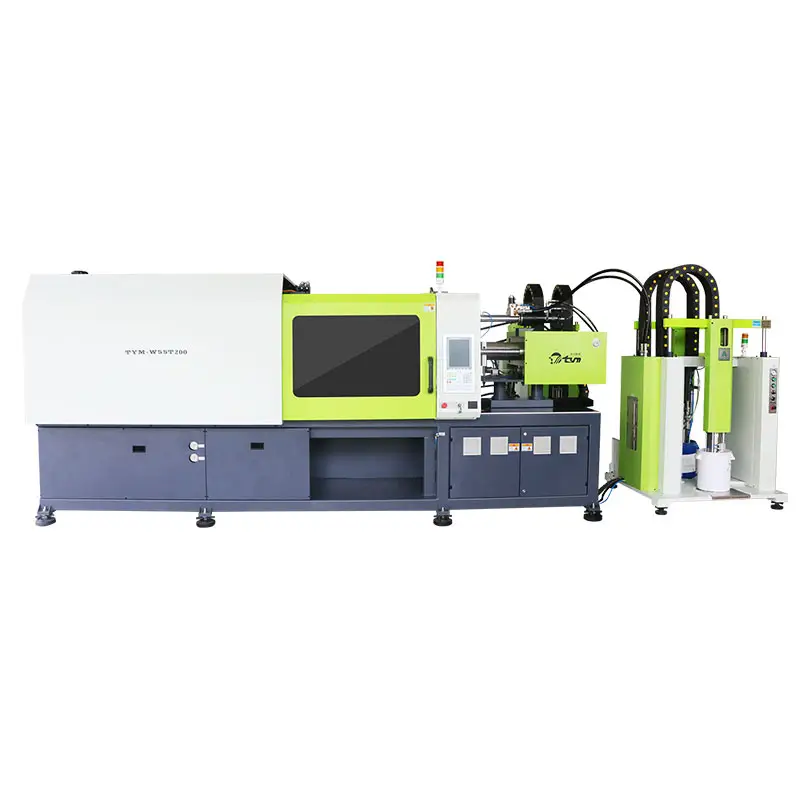
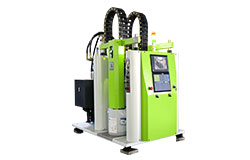
There are two injection units, two separate feed systems and color slurry addition systems. A unified system control panel can be used to achieve two different colors or hardness of liquid silicone. Formed in the machine at the same time, Suitable for the production of double color silicone products or double hardness silicone products.
Inquire About Our Latest Updates
Saw an interesting update or new technology in our news section? Leave us a message below for more detailed information, technical data, or event follow-ups.
Have a project in mind? Talk to our LSR experts and get a tailored turnkey solution.
Email: sales01@gdtym.com
WhatsApp/Phone: +86 18814115468
© 2026 TYM. All Rights Reserved.

Facebook
TikTok
TYM Silicone Machinery