












Quick Mold Change Systems for LSR: At What Order Profile Does the Investment Actually Pay Off?
A quick mold change system speeds changeovers, but it only pays back at certain order profiles. Learn how to judge whether it's worth the investment for you.
A quick mold change (QMC) system — the collection of standardized clamping, locating, and connection features that let an operator swap a mold in a fraction of the time a conventional bolt-down setup requires — is a common upgrade offered on LSR injection machines. It's also one where the decision genuinely depends on production profile rather than being universally worthwhile. For some operations it pays back quickly and substantially; for others it's added cost with little practical return. The useful question isn't "is QMC good?" but "does my specific order profile generate enough changeovers for it to pay back?"
What a Quick Mold Change System Actually Changes
A conventional mold change involves manually unbolting the mold, removing it, positioning and aligning the new mold, re-bolting, reconnecting temperature control and any other services, and running trial shots to re-establish stable production. This can take a substantial portion of a shift.
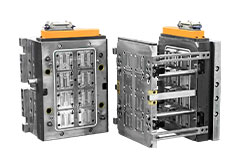
A QMC system reduces this through standardized, pre-aligned mounting features, quick-connect couplings for temperature control and services, and consistent locating references that reduce the alignment and re-qualification time on each swap.
- The time saving per changeover is the core benefit — reducing what might be a multi-hour operation to a fraction of that time.
- The value is realized only when changeovers actually happen — the system does nothing for a machine running a single mold continuously for weeks.
- A secondary benefit is consistency — standardized locating references can reduce the shot-to-shot and setup-to-setup variation that comes from manual re-alignment, though this is usually a smaller factor than the raw time saving.
The ROI Logic: It's About Changeover Frequency, Not Order Size Alone
The most common mistake in evaluating QMC is framing it around total production volume. A high-volume operation running one mold continuously benefits little; a lower-volume operation running many different molds with frequent swaps can benefit substantially. The variable that actually drives payback is how many changeovers happen per unit of time, which depends on order profile:
| Production Profile | Changeover Frequency | QMC Payback Likelihood |
|---|---|---|
| High volume, few part numbers, long runs per mold | Low — molds run for extended periods | Low — little changeover time to save |
| Moderate volume, many part numbers, frequent swaps | High — regular mold changes | High — changeover time saved accumulates quickly |
| Low volume, high mix, short runs, many molds | Very high — constant changeovers | Highest — changeover time may otherwise dominate available machine hours |
| Prototype / sampling operation | Very high, but low total output | Depends — high changeover frequency favors QMC, but low output may limit total dollar value of time saved |
The pattern the table illustrates: QMC payback tracks changeover frequency, which is driven by production mix (how many different molds), not by total volume. A high-mix, low-to-moderate-volume operation is the classic case where QMC pays back fastest.
How to Estimate the Payback for a Specific Operation
Rather than relying on a general rule, the calculation is straightforward once a few real numbers are known:
- Estimate changeovers per month based on the actual order pattern — how many different molds run, and how often each is swapped in and out.
- Estimate time saved per changeover with QMC versus the current manual process — this is best obtained from the equipment supplier for the specific system and machine, ideally validated rather than taken as a headline figure.
- Convert saved time into recovered productive machine hours per month, then into either additional output value or reduced labor/overtime cost, depending on whether the machine is capacity-constrained.
- Compare the annualized value of recovered time against the QMC system's cost, including any per-mold cost for the standardized mounting features each mold needs to be compatible with the system.
The last point is easy to overlook: QMC usually requires each mold to be equipped with compatible standardized mounting features, so the investment isn't only the machine-side system but also a per-mold cost across the mold fleet — which affects payback differently for an operation with many molds versus a few.
Where QMC Is Most and Least Likely to Justify Itself
Most likely worth it:
- High-mix operations running many different part numbers with frequent, regular mold swaps
- Operations where the machine is a capacity bottleneck, so every recovered hour translates directly into additional sellable output
- Contract/OEM manufacturers serving many customers with varied, shorter production runs
Least likely worth it:
- Operations running one or a few molds in long continuous runs with rare changeovers
- Situations where machine capacity isn't the constraint, so recovered time doesn't convert into additional output value
- Small mold fleets where the per-mold conversion cost is disproportionate to the changeover frequency
Questions to Ask an Equipment Supplier
- What is the realistic, validated changeover time with QMC versus a conventional manual change on this specific machine, not just a headline figure?
- What per-mold cost is required to make each existing and future mold compatible with the QMC system?
- For my specific changeover frequency, can the supplier help model the recovered machine hours and payback period?
- Does the QMC system offer measurable consistency benefits (reduced re-qualification time or setup variation), and how significant are those relative to the raw time saving?
The Practical Takeaway
A quick mold change system is a productivity investment whose payback is driven almost entirely by changeover frequency, not total production volume — which means it's most compelling for high-mix operations with frequent swaps, and often hard to justify for long continuous single-mold runs. Because the investment includes a per-mold conversion cost across the fleet, the honest evaluation requires plugging in real changeover numbers rather than accepting a general recommendation. Done that way, the answer is usually clear-cut in one direction or the other for a given operation.


You May Also Like
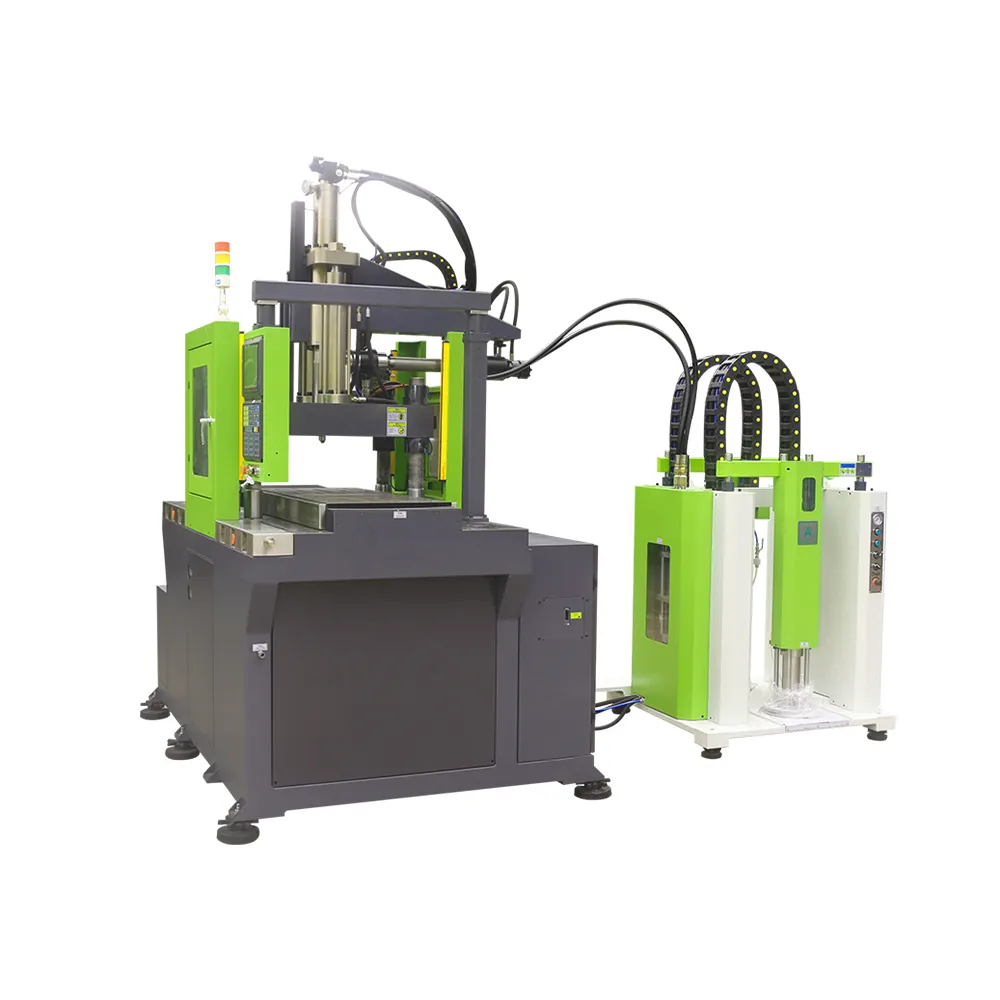
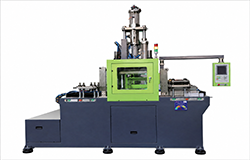
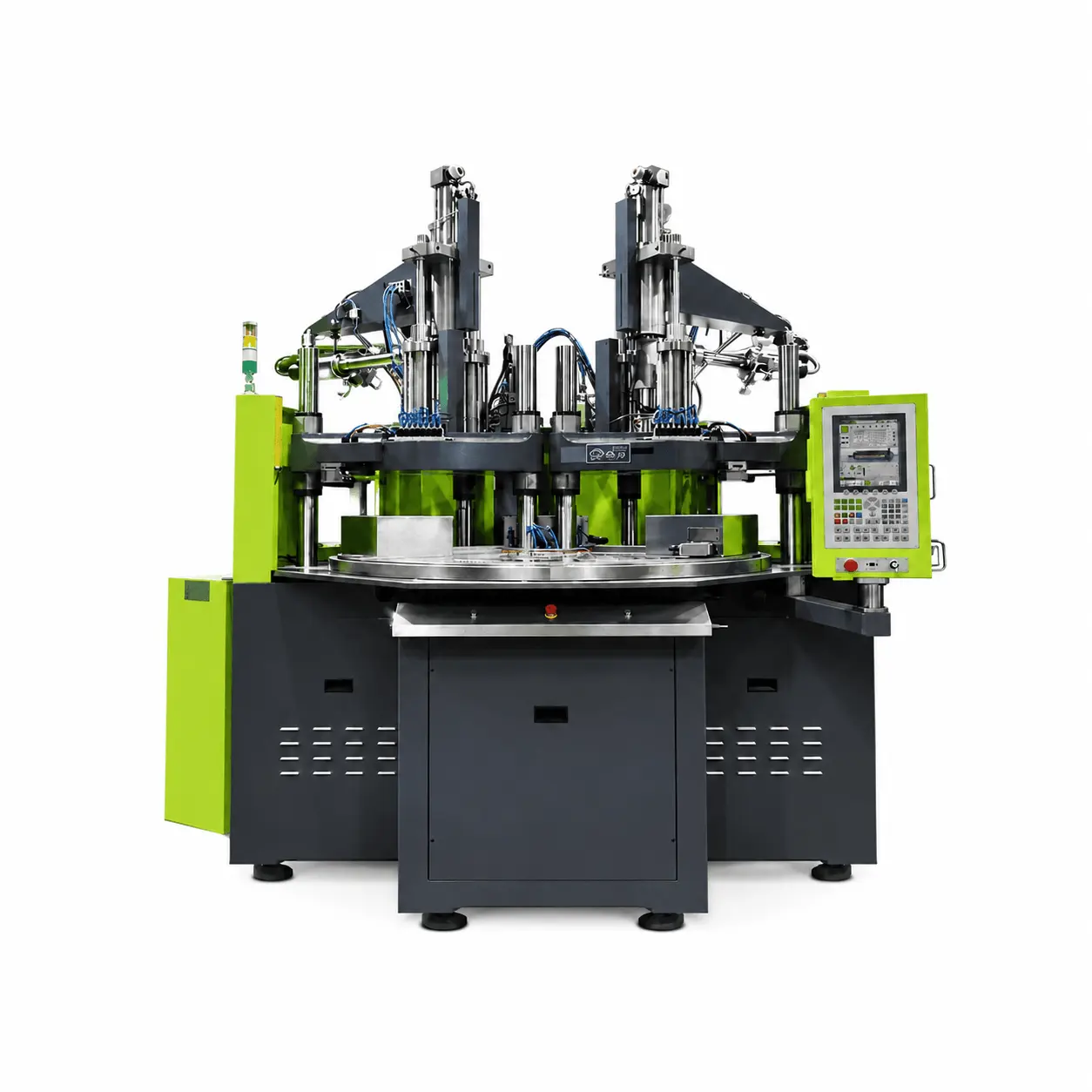
The vertical machine will open and close the mold in the vertical direction. The double slide plate can be installed with one upper mold and two lower molds. It can cooperate with the double station operation to improve the production efficiency, and is more suitable for the production of rubber coated products of silica gel package inserts.
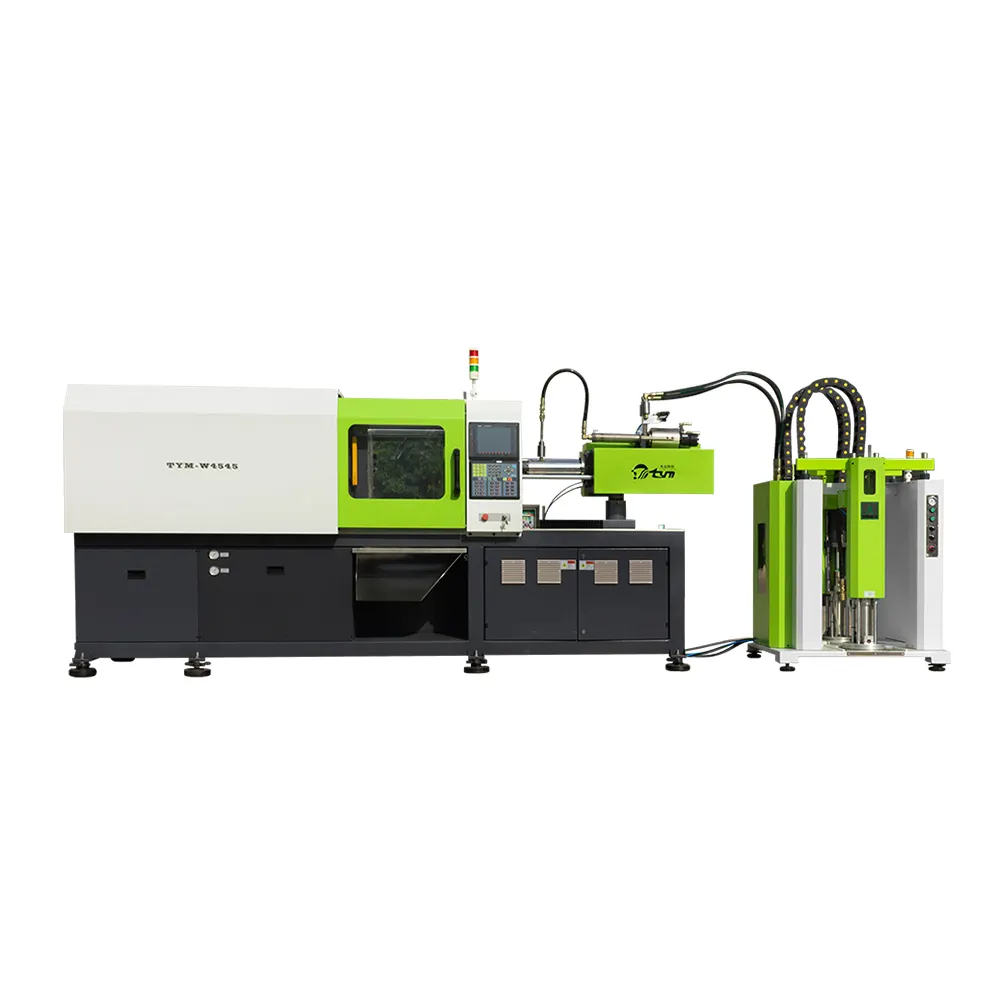
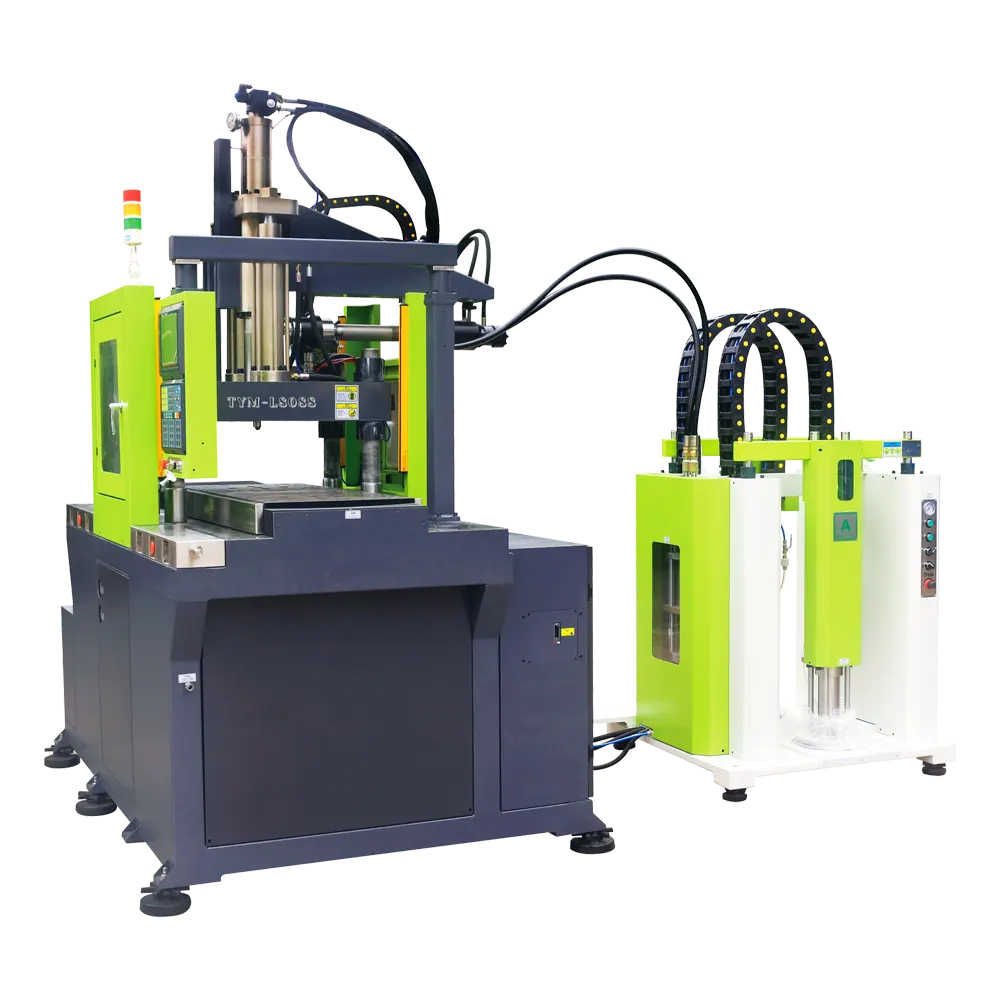
Direct pressure mold opening and closing system.It's more suitable for producing the LSR parts which can be automatically removed from the mold.It can be used for the production of silicone products in multiple industries - automotive wiring harnesses, baby pacifiers, menstrual cups, medical valve plugs.
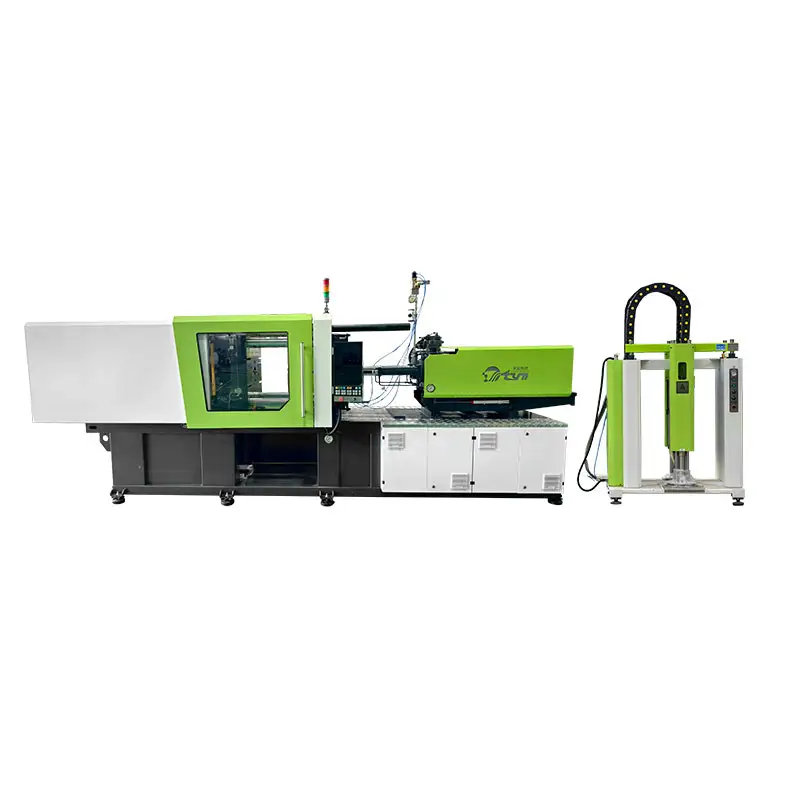
Direct pressure mold opening and closing system.It's more suitable for producing the LSR parts which can be automatically removed from the mold.
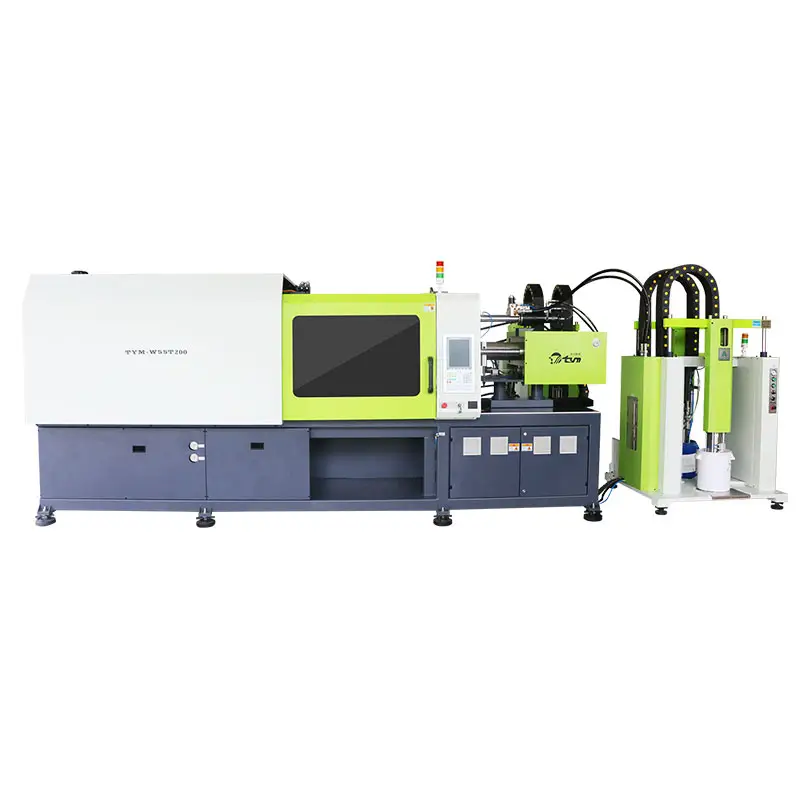
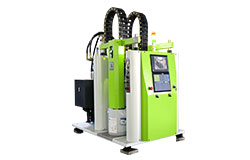
There are two injection units, two separate feed systems and color slurry addition systems. A unified system control panel can be used to achieve two different colors or hardness of liquid silicone. Formed in the machine at the same time, Suitable for the production of double color silicone products or double hardness silicone products.
Inquire About Our Latest Updates
Saw an interesting update or new technology in our news section? Leave us a message below for more detailed information, technical data, or event follow-ups.
Have a project in mind? Talk to our LSR experts and get a tailored turnkey solution.
Email: sales01@gdtym.com
WhatsApp/Phone: +86 18814115468
© 2026 TYM. All Rights Reserved.

Facebook
TikTok
TYM Silicone Machinery