













Rotary Table Indexing Accuracy on Multi-Station LSR Machines
On multi-station rotary LSR machines, station indexing accuracy quietly affects yield more than buyers expect. Learn why, and how to verify it.
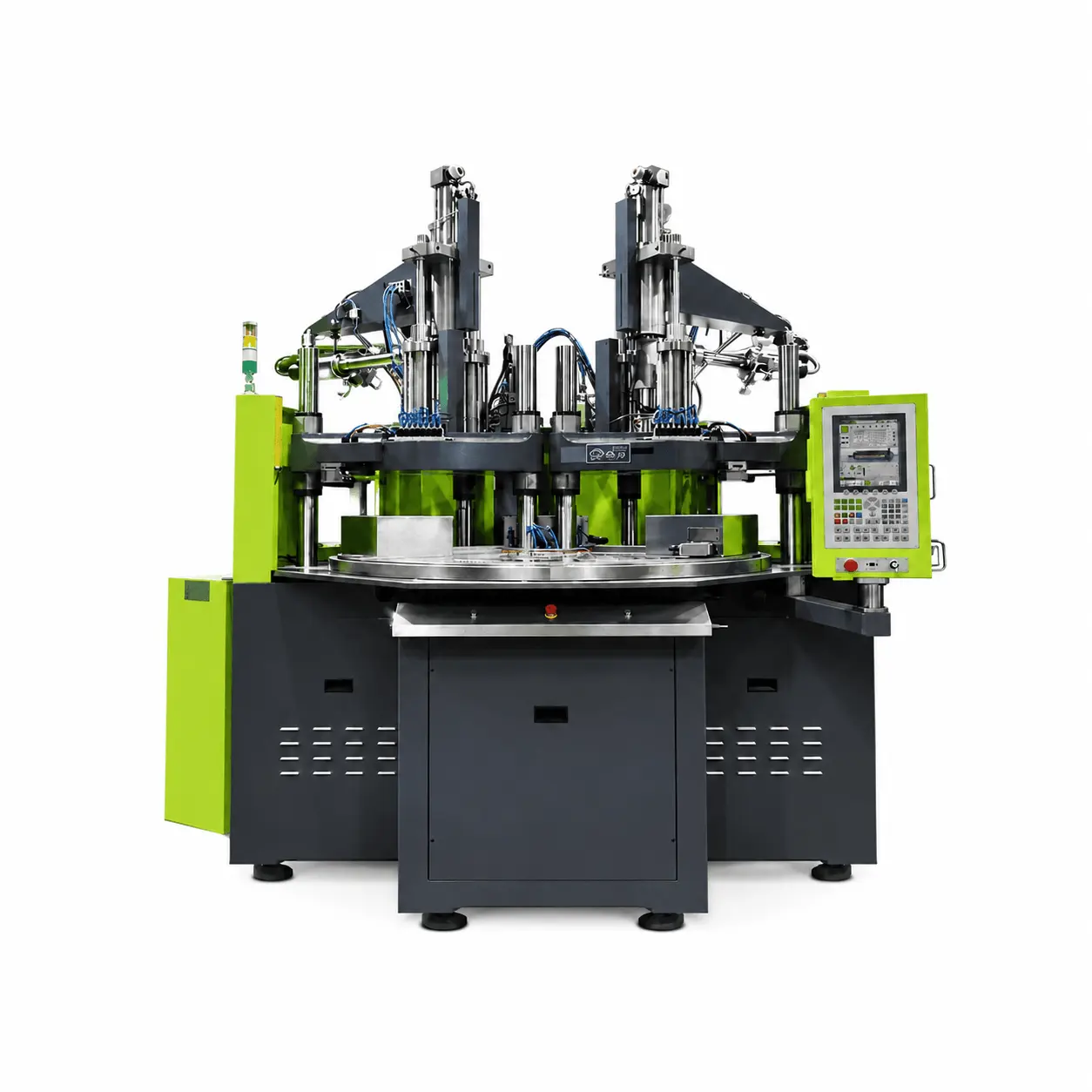
Multi-station rotary table LSR machines are a productivity favorite for insert molding and multi-step operations — while one station is injecting, others are simultaneously loading inserts, cooling, or being unloaded, keeping the injection unit working nearly continuously. When buyers evaluate these machines, attention usually goes to cycle time, station count, and clamping force. One variable that receives far less scrutiny, yet directly affects yield, is indexing accuracy: how precisely the rotary table stops and aligns each station to the injection position, every rotation, over the machine's operating life.
Why Indexing Accuracy Matters More Than It Seems
On a rotary machine, the table must rotate and stop so that each mold station aligns precisely with the fixed injection unit and clamp. If that alignment is even slightly off, the consequences show up directly in part quality.
- Injection into a slightly misaligned station can cause uneven fill, flash, gate-area defects, or in worse cases, mechanical interference between the injection nozzle and the mold — because the material delivery and clamping forces are premised on precise alignment that isn't actually being achieved.
- For insert molding specifically — one of the most common applications for rotary machines — misalignment can compound with insert positioning tolerance (as discussed in the context of gravity effects on insert overmolding), stacking two sources of positional error and increasing the risk of uneven encapsulation.
- The effect is often subtle at first — a small indexing error may produce marginal defects that pass initial inspection, only becoming clearly rejectable as the error grows, which is exactly what makes it an underrated variable.
Why Indexing Accuracy Degrades Over Time
Unlike a fixed-platen machine where alignment is essentially static once set, a rotary table involves repeated mechanical motion — and repeated motion means wear:
- The indexing mechanism experiences wear over hundreds of thousands of rotations, and this wear can gradually reduce stopping precision, meaning a machine that indexed accurately when new can drift over its operating life.
- The degradation is gradual and directional, similar in character to other slow-developing wear issues — it doesn't announce itself with a single failure, but accumulates until defects appear.
- Different stations may drift differently, meaning yield problems can become station-specific — one station consistently producing more defects than others is a pattern that can point toward indexing or station-specific alignment issues rather than a machine-wide process problem.
Why This Is Easy to Miss in Evaluation and Operation
- Initial acceptance testing on a new machine often confirms indexing accuracy is within spec at delivery, and it's then assumed to stay there — without a plan to re-verify it periodically as the machine accumulates production.
- Station-specific defect patterns are often first investigated as mold problems specific to those stations, rather than as an indexing accuracy issue affecting how those stations align to the injection position.
- Indexing accuracy isn't visible in normal operation — the table appears to rotate and stop normally, and only precise measurement reveals whether the stop position has drifted from true alignment.
How to Evaluate and Monitor Indexing Accuracy
- At the evaluation and purchase stage:
- Ask for the machine's specified indexing accuracy (repeatability of station positioning), not just its station count and cycle time.
- Ask how indexing accuracy is expected to hold up over the machine's operating life, and what maintenance the indexing mechanism requires to sustain it.
- For insert molding or other alignment-sensitive applications, confirm the indexing accuracy is adequate for the specific tolerance the application requires, rather than assuming any rotary machine is precise enough.
- During operation:
- Establish a baseline indexing accuracy measurement when the machine is new or freshly serviced, as a reference for later comparison.
- Watch for station-specific defect patterns as an early indicator — if one station consistently produces more marginal or defective parts than others, indexing or station alignment deserves investigation alongside mold-specific causes.
- Include periodic indexing accuracy verification in preventive maintenance, rather than assuming initial acceptance accuracy holds indefinitely.
Questions to Ask an Equipment Supplier
- What is the specified indexing (station positioning) repeatability of this rotary machine, and how is it measured?
- What maintenance does the indexing mechanism require to sustain that accuracy over the machine's operating life?
- For our specific alignment-sensitive application, is the indexing accuracy adequate with appropriate margin?
- Is indexing accuracy something that can be re-verified and re-adjusted during routine maintenance, and what's involved?
The Practical Takeaway
Rotary table indexing accuracy is a genuine yield variable that's easy to overlook because it's invisible in normal operation, specified less prominently than cycle time or station count, and degrades gradually rather than failing outright. For alignment-sensitive applications like insert molding, it deserves explicit attention at both the purchase stage — as a specified requirement with adequate margin — and during operation, through baseline measurement and periodic re-verification. When station-specific defect patterns appear, indexing accuracy belongs on the list of candidate causes, not just mold-specific troubleshooting.


You May Also Like
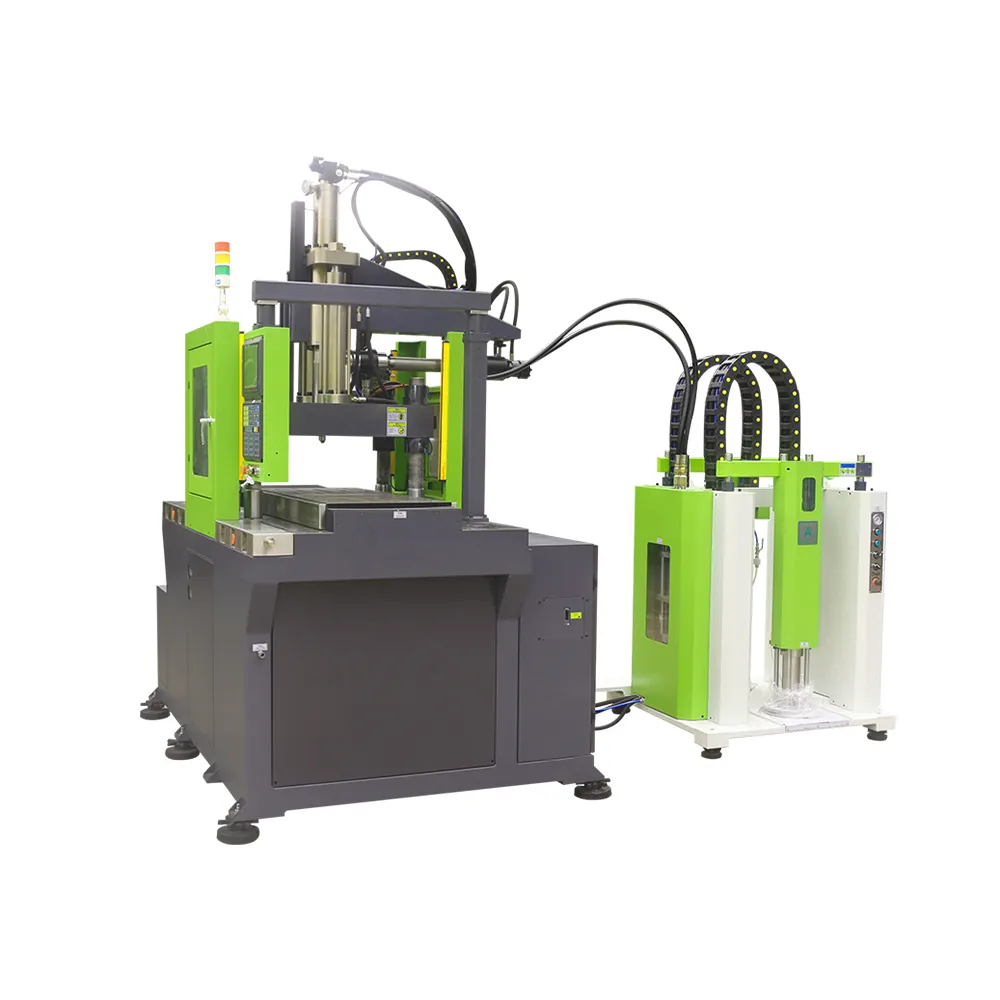
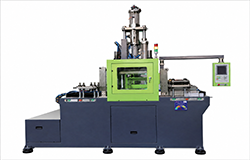
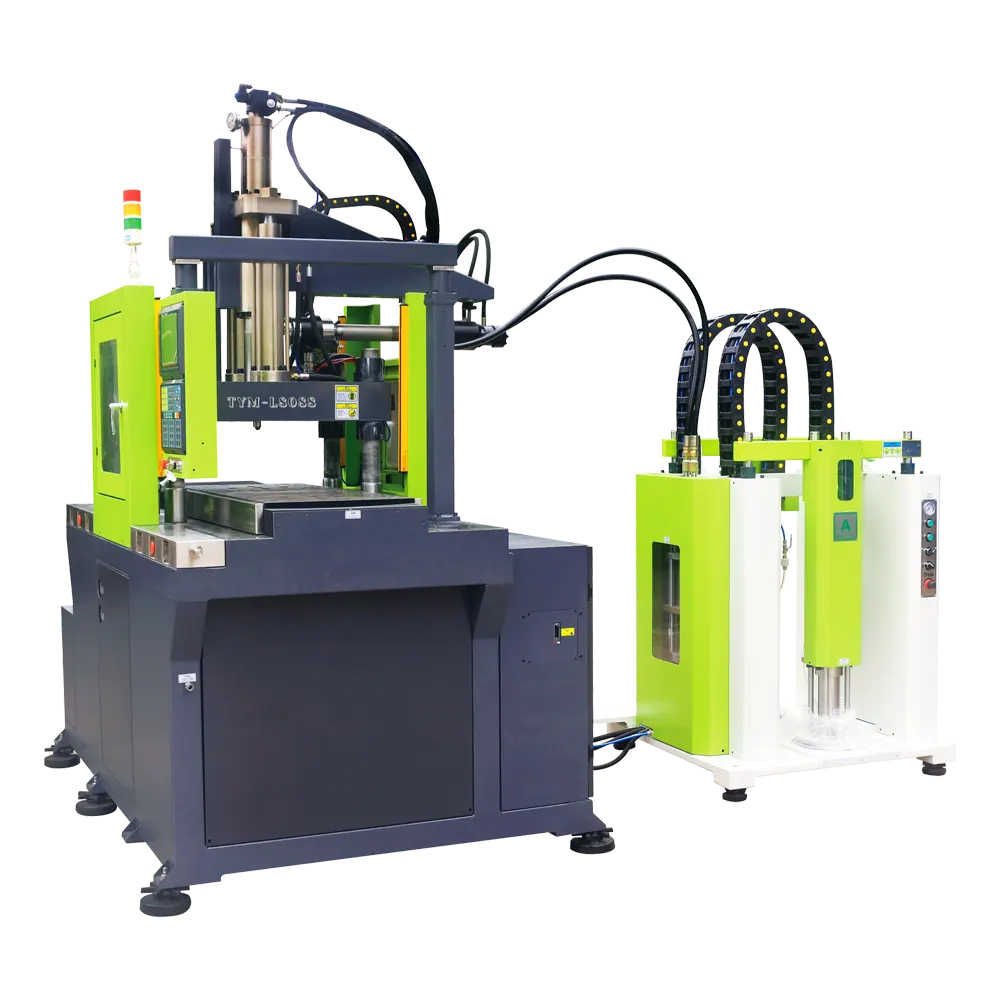
The vertical machine will open and close the mold in the vertical direction. The double slide plate can be installed with one upper mold and two lower molds. It can cooperate with the double station operation to improve the production efficiency, and is more suitable for the production of rubber coated products of silica gel package inserts.
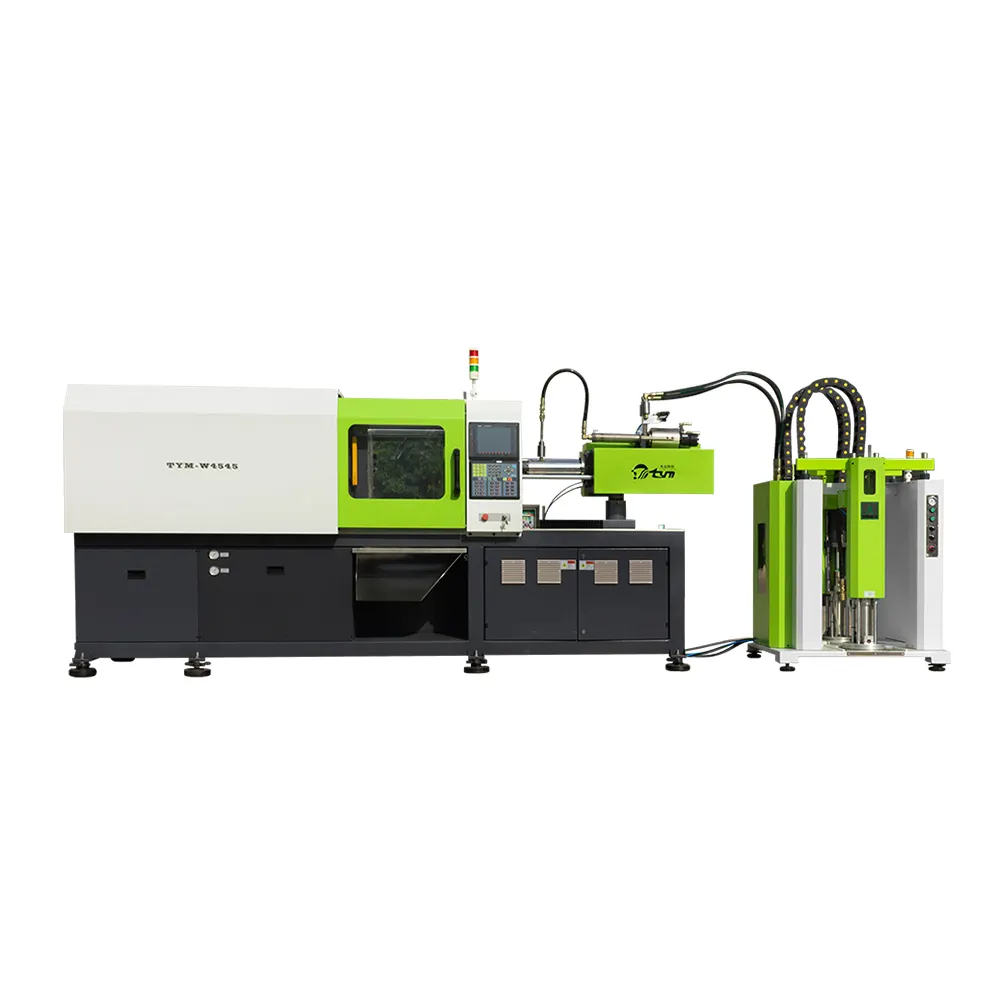
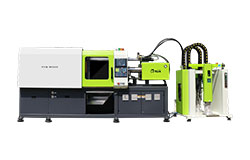
Direct pressure mold opening and closing system.It's more suitable for producing the LSR parts which can be automatically removed from the mold.It can be used for the production of silicone products in multiple industries - automotive wiring harnesses, baby pacifiers, menstrual cups, medical valve plugs.
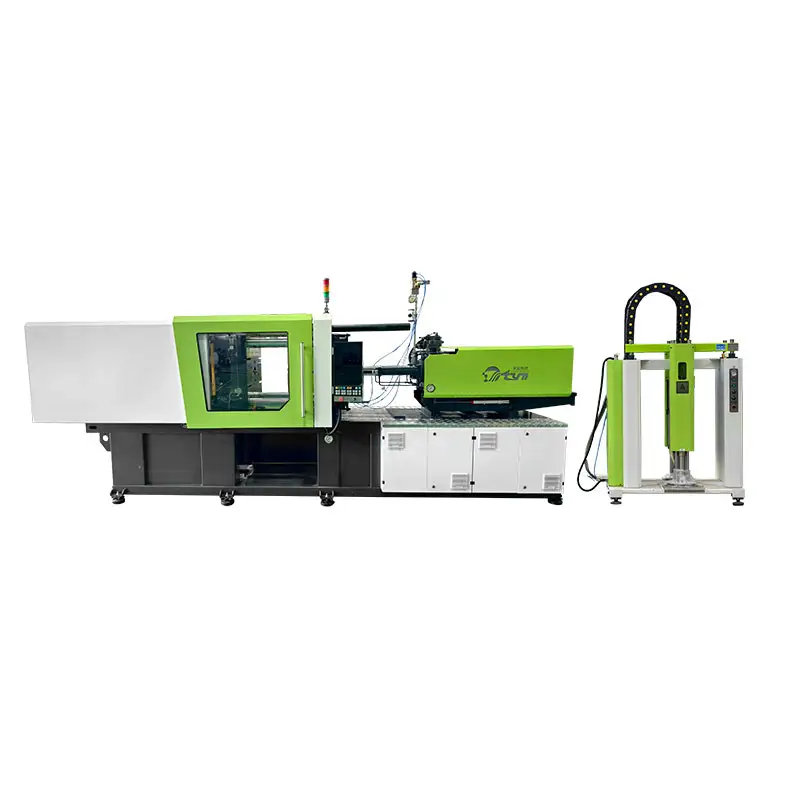
Direct pressure mold opening and closing system.It's more suitable for producing the LSR parts which can be automatically removed from the mold.
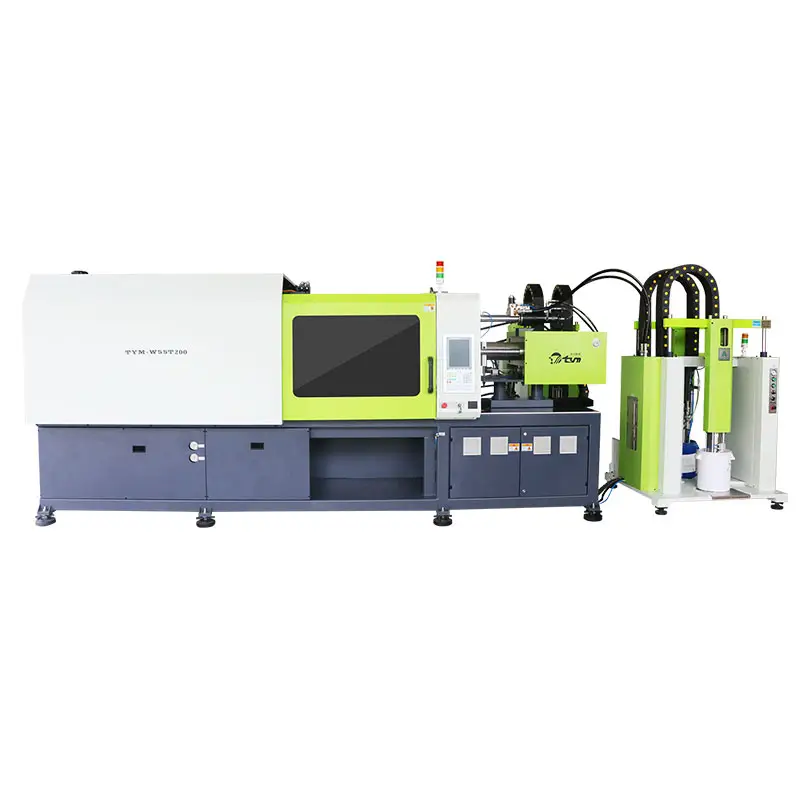
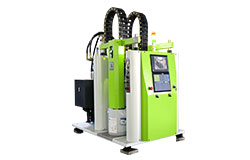
There are two injection units, two separate feed systems and color slurry addition systems. A unified system control panel can be used to achieve two different colors or hardness of liquid silicone. Formed in the machine at the same time, Suitable for the production of double color silicone products or double hardness silicone products.
Inquire About Our Latest Updates
Saw an interesting update or new technology in our news section? Leave us a message below for more detailed information, technical data, or event follow-ups.
Have a project in mind? Talk to our LSR experts and get a tailored turnkey solution.
Email: sales01@gdtym.com
WhatsApp/Phone: +86 18814115468
© 2026 TYM. All Rights Reserved.

Facebook
TikTok
TYM Silicone Machinery