











When Do You Need a Micro LSR Injection Molding Machine?
- Start with the part and process window
- Decide whether micro dosing is the real constraint
- Match mold architecture to the machine
- Choose vertical, rotary, or standard layouts
- Evaluate insert molding and part handling
- Plan metrology and quality capability
- Control material delivery and contamination
- Build an acceptance test around real products
- Compare economics beyond machine price
- Make the purchase decision and RFQ
- Decision and acceptance tables
- Relevant machine references
- Vertical Rotary Micro LSR Injection Molding Machine
- Vertical Micro LSR Injection Molding Machine
- Vertical LSR Injection Molding Machine
- Frequently Asked Questions
Start with the part and process window
For part mass distribution, the buyer should collect nominal, minimum, maximum, runner, purge, and startup material quantities for every planned tool. The main exposure is that the average part weight alone can hide the dosing range and waste that govern machine suitability. Acceptance should rely on a mass balance from drawings, mold concept, sample parts, and representative production trials. Responsibility must be explicit: the buyer defines the product family while the machine and mold teams validate the processing window. The evidence should remain tied to the proposed machine, injection unit, dosing system, mold, material, automation, and measurement method.
A controlled critical dimensions process begins by requiring the project team to identify sealing edges, optical surfaces, micro passages, thin sections, flash-sensitive features, and insert interfaces. Without that discipline, a small part can have ordinary tolerances while a larger feature may demand exceptionally stable filling. Practical verification consists of a characteristic matrix linked to measurement method, sampling, capability target, and defect disposition. Ownership should remain clear because product engineering ranks characteristics and quality approves measurement readiness. Any deviation should state its effect on quality, productivity, cost, schedule, and acceptance before the configuration is released.
Procurement should treat material behavior as a release requirement and record viscosity range, cure response, pigment or additive use, storage, mixing, temperature, and supplier recommendations. The reason is operational: different LSR grades can change pressure, fill balance, air entrapment, cure time, and dosing behavior. The acceptance file should contain current material data plus controlled trials using the intended formulation and handling method. Day-to-day accountability is best expressed as follows: the material owner controls approved grades and reports formulation changes. A future change in part, material, mold, injection unit, dosing, automation, or inspection should reopen the review whenever prior evidence no longer represents production.
During machine qualification, production objective must be reviewed by asking the responsible team to state annual volume, batch size, changeover frequency, automation level, labor model, scrap target, and traceability needs. Otherwise, a technically capable micro machine may not be the best economic choice for the intended order profile. A defensible decision uses a production model with realistic uptime, startup loss, inspection, maintenance, and staffing assumptions. The operating model should record that operations owns the demand model and procurement evaluates lifecycle cost. Passing a short sample run does not authorize uncontrolled substitutions, so the approved process boundary should remain with the purchase and validation records.
Decide whether micro dosing is the real constraint
For shot utilization, the buyer should compare the intended shot and runner demand with the useful controllable range of the proposed injection unit. The main exposure is that using a very small shot in an oversized unit can reduce resolution and increase residence or purge concerns. Acceptance should rely on a model-specific calculation followed by repeated-shot evidence across the expected operating window. Responsibility must be explicit: the machine supplier states the controllable range and the buyer verifies it with representative material. The evidence should remain tied to the proposed machine, injection unit, dosing system, mold, material, automation, and measurement method.
A controlled repeatability study process begins by requiring the project team to measure shot-to-shot and cavity-to-cavity behavior under stable conditions and after normal interruptions. Without that discipline, a single acceptable sample cannot demonstrate the consistency required for precision production. Practical verification consists of a statistically planned trial with identified build, material, mold, settings, environment, and measurement system. Ownership should remain clear because process engineering defines the study and quality reviews the data before release. Any deviation should state its effect on quality, productivity, cost, schedule, and acceptance before the configuration is released.
Procurement should treat startup and purge as a release requirement and quantify material consumed during priming, color changes, maintenance, restart, and fault recovery. The reason is operational: micro parts can make nonproductive material dominate total usage even when cycle scrap looks low. The acceptance file should contain a documented startup and changeover trial that separates good parts, rejected parts, purge, and retained material. Day-to-day accountability is best expressed as follows: operations validates the procedure and commercial models use the observed loss. A future change in part, material, mold, injection unit, dosing, automation, or inspection should reopen the review whenever prior evidence no longer represents production.
During machine qualification, listed injector evidence must be reviewed by asking the responsible team to treat published barrel and theoretical accuracy values as model-specific inputs that require confirmation. Otherwise, summary specifications may not describe the exact configuration, test method, material, or delivered revision. A defensible decision uses a signed quotation, approved technical sheet, acceptance method, and repeatability results for the ordered unit. The operating model should record that the supplier confirms the value and the buyer avoids extending it to untested conditions. Passing a short sample run does not authorize uncontrolled substitutions, so the approved process boundary should remain with the purchase and validation records.
Match mold architecture to the machine
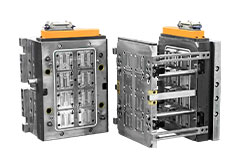
For cavity strategy, the buyer should choose cavity count from demand, fill balance, venting, measurement capacity, maintenance, and risk rather than output alone. The main exposure is that too many micro cavities can multiply imbalance and inspection burden faster than productive capacity. Acceptance should rely on mold-flow reasoning, prototype evidence, cavity identification, and capability results by cavity. Responsibility must be explicit: the mold designer proposes the layout and the buyer approves traceability and quality strategy. The evidence should remain tied to the proposed machine, injection unit, dosing system, mold, material, automation, and measurement method.
A controlled runner system process begins by requiring the project team to evaluate cold-runner, valve, sprue, nozzle, and waste decisions together with shot size and thermal control. Without that discipline, runner volume can exceed useful part volume and erase the material advantage of a small injection unit. Practical verification consists of a complete shot-volume calculation and mold trial showing fill, separation, scrap, and maintenance behavior. Ownership should remain clear because machine, dosing, and mold teams jointly confirm interfaces. Any deviation should state its effect on quality, productivity, cost, schedule, and acceptance before the configuration is released.
Procurement should treat venting and vacuum as a release requirement and define vent locations, depth control, cleaning, vacuum need, and evidence for trapped-air defects. The reason is operational: tiny geometries and fast cure can make small vent changes decisive for fill and flash. The acceptance file should contain tool drawings, cleaning standards, controlled trials, and defect mapping across cavities. Day-to-day accountability is best expressed as follows: tooling owns vent design and production records maintenance effects. A future change in part, material, mold, injection unit, dosing, automation, or inspection should reopen the review whenever prior evidence no longer represents production.
During machine qualification, thermal balance must be reviewed by asking the responsible team to coordinate mold zones, heater layout, sensor location, startup stabilization, and process monitoring. Otherwise, local temperature variation can change cure, flash, demolding, and cavity balance on very small parts. A defensible decision uses temperature mapping, controller records, stabilized trials, and alarm limits tied to part evidence. The operating model should record that mold and machine suppliers validate integration before acceptance. Passing a short sample run does not authorize uncontrolled substitutions, so the approved process boundary should remain with the purchase and validation records.

Choose vertical, rotary, or standard layouts
For vertical micro layout, the buyer should consider direct access, gravity, insert handling, mold height, automation space, and operator ergonomics. The main exposure is that a compact injection unit does not automatically make the entire cell suitable for the intended operation. Acceptance should rely on a layout review with mold, dosing, guarding, material flow, maintenance access, and part removal. Responsibility must be explicit: the integrator owns the cell concept and the buyer approves operational access. The evidence should remain tied to the proposed machine, injection unit, dosing system, mold, material, automation, and measurement method.
A controlled rotary configuration process begins by requiring the project team to use a rotary arrangement only when separate loading, molding, cooling, inspection, or unloading stations add real value. Without that discipline, extra stations increase coordination, tooling, indexing, guarding, and maintenance requirements. Practical verification consists of a cycle study showing station tasks, index time, interlocks, balance, and recovery from faults. Ownership should remain clear because automation and machine teams define sequence while operations tests abnormal conditions. Any deviation should state its effect on quality, productivity, cost, schedule, and acceptance before the configuration is released.
Procurement should treat standard vertical comparison as a release requirement and compare a micro machine with a standard vertical platform when inserts, larger molds, broader product range, or future capacity matter. The reason is operational: selecting the smallest machine can constrain platen, tie-bar, access, automation, and later tooling choices. The acceptance file should contain a weighted comparison covering shot control, mold envelope, force, access, productivity, changeover, and lifecycle cost. Day-to-day accountability is best expressed as follows: procurement uses one requirement matrix rather than comparing purchase price alone. A future change in part, material, mold, injection unit, dosing, automation, or inspection should reopen the review whenever prior evidence no longer represents production.
During machine qualification, cell footprint must be reviewed by asking the responsible team to include dosing units, tanks, hoses, auxiliaries, robot, inspection, service clearance, utilities, and material movement. Otherwise, a compact press can still create a large or awkward production cell. A defensible decision uses a scaled floor plan and maintenance-access simulation reviewed by EHS and operations. The operating model should record that facility engineering approves utilities and safe access before purchase. Passing a short sample run does not authorize uncontrolled substitutions, so the approved process boundary should remain with the purchase and validation records.
Evaluate insert molding and part handling
For insert tolerance, the buyer should measure insert dimensions, orientation, surface condition, contamination, and supplier variation. The main exposure is that the machine can repeat perfectly while insert variation drives flash, mismatch, or bonding defects. Acceptance should rely on incoming controls, nests, sensors, trial lots, and defect correlation by insert batch. Responsibility must be explicit: purchasing controls insert suppliers and tooling defines acceptable presentation. The evidence should remain tied to the proposed machine, injection unit, dosing system, mold, material, automation, and measurement method.
A controlled loading method process begins by requiring the project team to compare manual, fixture, rotary, robot, bowl, tray, and vision-assisted loading against takt and error risk. Without that discipline, micro inserts are easy to misorient, double-load, lose, or damage during handling. Practical verification consists of a realistic loading trial with trained and new operators plus defined error detection. Ownership should remain clear because automation and operations jointly approve the method. Any deviation should state its effect on quality, productivity, cost, schedule, and acceptance before the configuration is released.
Procurement should treat part removal as a release requirement and plan release, eject, grip, vacuum, static control, collection, and protection of delicate features. The reason is operational: tiny cured parts can deform, stick, fall, mix by cavity, or become contaminated after a good molding cycle. The acceptance file should contain demolding trials and a controlled route from mold to inspection or packaging. Day-to-day accountability is best expressed as follows: tooling establishes release behavior and automation protects traceability. A future change in part, material, mold, injection unit, dosing, automation, or inspection should reopen the review whenever prior evidence no longer represents production.
During machine qualification, human factors must be reviewed by asking the responsible team to check visibility, reach, posture, gloves, magnification, task lighting, and safe intervention points. Otherwise, micro work can create fatigue and handling errors that are absent in machine-only cycle studies. A defensible decision uses ergonomic review, timed pilot work, error records, and corrective actions. The operating model should record that EHS and operations approve the workstation before production staffing. Passing a short sample run does not authorize uncontrolled substitutions, so the approved process boundary should remain with the purchase and validation records.
Plan metrology and quality capability
For measurement system, the buyer should select equipment and fixtures that can resolve the required features without damaging or distorting the part. The main exposure is that a narrow tolerance is meaningless when measurement uncertainty consumes too much of it. Acceptance should rely on a measurement-system analysis with trained operators, reference parts, repeat trials, and documented method. Responsibility must be explicit: quality owns the method and product engineering approves correlation to function. The evidence should remain tied to the proposed machine, injection unit, dosing system, mold, material, automation, and measurement method.
A controlled sample strategy process begins by requiring the project team to define startup, in-process, cavity, lot, changeover, maintenance, and final inspection sampling. Without that discipline, low part mass can tempt teams to sample generously without building useful process insight. Practical verification consists of a control plan linked to failure modes, capability, cavity identity, and reaction rules. Ownership should remain clear because quality sets sampling and operations records process conditions with results. Any deviation should state its effect on quality, productivity, cost, schedule, and acceptance before the configuration is released.
Procurement should treat defect library as a release requirement and create agreed examples for short shot, flash, bubbles, contamination, cure, deformation, insert shift, and cosmetic limits. The reason is operational: verbal defect descriptions produce inconsistent sorting and poor root-cause feedback. The acceptance file should contain approved physical or high-quality visual standards tied to severity and disposition. Day-to-day accountability is best expressed as follows: buyer and supplier quality approve the library before pilot close. A future change in part, material, mold, injection unit, dosing, automation, or inspection should reopen the review whenever prior evidence no longer represents production.
During machine qualification, capability gate must be reviewed by asking the responsible team to separate short-term machine repeatability from sustained process capability across shifts, materials, maintenance, and environment. Otherwise, a controlled demonstration can overstate what routine production will deliver. A defensible decision uses staged capability evidence with stable measurement, identified causes, and defined response to drift. The operating model should record that process and quality teams jointly authorize production release. Passing a short sample run does not authorize uncontrolled substitutions, so the approved process boundary should remain with the purchase and validation records.

Control material delivery and contamination
For dosing integration, the buyer should match pump capacity, ratio control, pressure, hose volume, filtration, alarms, and machine signals. The main exposure is that a precise injection unit cannot compensate for unstable or contaminated material delivery. Acceptance should rely on interface documents, pressure and ratio checks, alarm challenges, and representative production trials. Responsibility must be explicit: dosing and machine suppliers share an approved interface responsibility matrix. The evidence should remain tied to the proposed machine, injection unit, dosing system, mold, material, automation, and measurement method.
A controlled material residence process begins by requiring the project team to review the complete path from drums through pumps, hoses, mixer, barrel, nozzle, and mold. Without that discipline, small consumption can create long residence or make changeovers disproportionately slow. Practical verification consists of a material-path volume calculation and validated purge or shutdown procedure. Ownership should remain clear because process engineering defines limits and maintenance records actual interventions. Any deviation should state its effect on quality, productivity, cost, schedule, and acceptance before the configuration is released.
Procurement should treat cleanliness control as a release requirement and manage drums, connectors, tools, wipes, trays, regrind policy, room condition, and operator practices. The reason is operational: tiny transparent or sealing parts may reject contamination that would be insignificant elsewhere. The acceptance file should contain a cleanliness plan supported by defect data, workstation audits, and controlled consumables. Day-to-day accountability is best expressed as follows: quality sets the standard and operations sustains it. A future change in part, material, mold, injection unit, dosing, automation, or inspection should reopen the review whenever prior evidence no longer represents production.
During machine qualification, color change must be reviewed by asking the responsible team to test pigment introduction, mixing, purge quantity, transition acceptance, and cross-contamination controls. Otherwise, frequent small batches can lose their economic advantage during color transitions. A defensible decision uses timed changeover trials with material accounting and approved first-off criteria. The operating model should record that operations owns the procedure and planning sequences orders to reduce waste. Passing a short sample run does not authorize uncontrolled substitutions, so the approved process boundary should remain with the purchase and validation records.
Build an acceptance test around real products
For FAT material and mold, the buyer should use the intended or technically representative LSR, mold, inserts, auxiliaries, and environmental conditions. The main exposure is that an empty-cycle or substitute-material demonstration cannot prove the micro-part process. Acceptance should rely on an approved FAT matrix naming every input, setup, sample quantity, test duration, and deviation rule. Responsibility must be explicit: the buyer supplies requirements and both parties approve substitutions before testing. The evidence should remain tied to the proposed machine, injection unit, dosing system, mold, material, automation, and measurement method.
A controlled machine checks process begins by requiring the project team to verify safety, utilities, motion, control, temperature, injection, dosing interface, alarms, access, documentation, and recovery. Without that discipline, good parts alone can hide maintainability or fault-handling problems that disrupt production. Practical verification consists of functional challenges and recorded results across normal start, stop, reset, interruption, and restart. Ownership should remain clear because supplier runs the FAT and buyer witnesses critical items. Any deviation should state its effect on quality, productivity, cost, schedule, and acceptance before the configuration is released.
Procurement should treat process trial as a release requirement and run stable production long enough to observe repeatability, cavity balance, cycle variation, handling, and quality response. The reason is operational: a short demonstration may exclude warm-up, drift, replenishment, or routine operator activity. The acceptance file should contain a defined continuous run with time-series settings, alarms, scrap, measurements, and interventions. Day-to-day accountability is best expressed as follows: process engineering approves the trial plan and quality verifies data integrity. A future change in part, material, mold, injection unit, dosing, automation, or inspection should reopen the review whenever prior evidence no longer represents production.
During machine qualification, SAT transfer must be reviewed by asking the responsible team to repeat critical checks after shipping, installation, utility connection, leveling, integration, and local training. Otherwise, transport or site interfaces can change alignment, signals, temperatures, pressure, and operator execution. A defensible decision uses a site acceptance record linked to FAT baseline and corrective-action closure. The operating model should record that the buyer releases the asset only after site-specific evidence is complete. Passing a short sample run does not authorize uncontrolled substitutions, so the approved process boundary should remain with the purchase and validation records.
Compare economics beyond machine price
For material savings, the buyer should calculate good-part material, runner, purge, startup, color change, rejects, samples, and retained work in process. The main exposure is that micro dosing may save material per cycle while changeover or quality losses remain dominant. Acceptance should rely on a mass-based cost model using measured pilot data instead of ideal assumptions. Responsibility must be explicit: finance and process teams agree the material baseline. The evidence should remain tied to the proposed machine, injection unit, dosing system, mold, material, automation, and measurement method.
A controlled labor content process begins by requiring the project team to include loading, unloading, inspection, cleaning, packaging, maintenance, setup, and supervisory work. Without that discipline, a faster cycle does not lower unit labor when manual micro-part handling becomes the bottleneck. Practical verification consists of a time study across representative shifts and normal interruptions. Ownership should remain clear because operations validates standard work and automation proposals target observed constraints. Any deviation should state its effect on quality, productivity, cost, schedule, and acceptance before the configuration is released.
Procurement should treat tooling portfolio as a release requirement and consider how many current and future molds fit the machine's shot, force, platen, access, and automation envelope. The reason is operational: a dedicated micro machine can be economical for one family but underutilized elsewhere. The acceptance file should contain a tooling roadmap with fit assessment, demand, changeover, and obsolescence risk. Day-to-day accountability is best expressed as follows: product planning and manufacturing engineering jointly own the roadmap. A future change in part, material, mold, injection unit, dosing, automation, or inspection should reopen the review whenever prior evidence no longer represents production.
During machine qualification, serviceability must be reviewed by asking the responsible team to review spare parts, calibration, training, remote support, maintenance access, documentation, and response arrangements. Otherwise, precision performance can deteriorate when routine service is delayed or dependent on unavailable specialists. A defensible decision uses a lifecycle support schedule with critical spares, skills, intervals, and escalation contacts. The operating model should record that procurement evaluates service terms and maintenance owns readiness. Passing a short sample run does not authorize uncontrolled substitutions, so the approved process boundary should remain with the purchase and validation records.
Make the purchase decision and RFQ
For decision threshold, the buyer should select a micro LSR machine when small controlled shots, precision tooling, handling, metrology, and economics align. The main exposure is that part size alone does not prove that a specialized micro platform will improve yield or total cost. Acceptance should rely on a cross-functional decision record comparing micro and standard alternatives against weighted requirements. Responsibility must be explicit: the investment owner approves the business case after technical gates are met. The evidence should remain tied to the proposed machine, injection unit, dosing system, mold, material, automation, and measurement method.
A controlled RFQ data pack process begins by requiring the project team to provide part and runner mass, material, drawings, tolerances, annual volumes, batch sizes, inserts, mold concept, utilities, automation, and acceptance. Without that discipline, suppliers cannot quote comparable solutions when critical process information is withheld. Practical verification consists of a controlled RFQ with confidentiality handling and a question log shared across bidders. Ownership should remain clear because procurement controls revisions and engineering answers technical questions consistently. Any deviation should state its effect on quality, productivity, cost, schedule, and acceptance before the configuration is released.
Procurement should treat supplier response as a release requirement and require configuration, deviations, evidence, utilities, layout, schedule, exclusions, service, training, FAT, SAT, and commercial terms. The reason is operational: a short quotation can conceal assumptions that later become change orders or acceptance disputes. The acceptance file should contain a compliance matrix marking each requirement with evidence and responsible deliverable. Day-to-day accountability is best expressed as follows: technical and commercial reviewers score the same response baseline. A future change in part, material, mold, injection unit, dosing, automation, or inspection should reopen the review whenever prior evidence no longer represents production.
During machine qualification, final release must be reviewed by asking the responsible team to tie order, design freeze, FAT, shipment, SAT, training, and production release to documented gates. Otherwise, payment milestones alone do not guarantee that technical risks are retired in the right sequence. A defensible decision uses a purchase plan with hold points, approvers, evidence, correction rules, and ownership after handover. The operating model should record that buyer and supplier project managers maintain one shared action register. Passing a short sample run does not authorize uncontrolled substitutions, so the approved process boundary should remain with the purchase and validation records.
Decision and acceptance tables
| Decision factor | Micro-machine evidence | Reason to compare a standard platform |
|---|---|---|
| Shot control | Representative repeated-shot and cavity results | Broader product range or larger future shots |
| Mold and handling | Precision mold, inserts, access and demolding trials | Larger platen, tooling access or automation envelope |
| Economics | Measured material loss, labor and capability | Higher utilization across several molds |
| Acceptance gate | Required evidence | Release action |
|---|---|---|
| Design freeze | Machine, dosing, mold, handling and measurement interfaces | Approve configuration or close deviations |
| FAT | Functional checks and representative process run | Ship, correct and retest, or hold |
| SAT and pilot | Site integration, training, capability and handover | Release production or continue controlled validation |
Relevant machine references
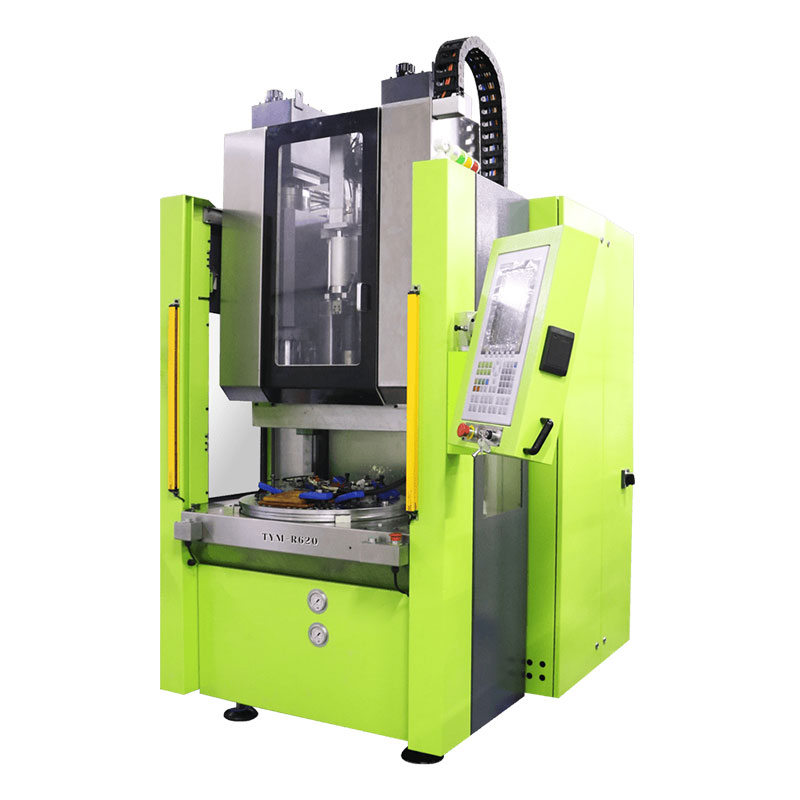
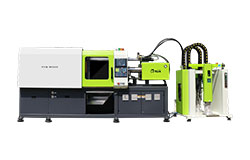
Vertical Rotary Micro LSR Injection Molding Machine
The current backend summary lists a small piston-structure barrel and specific theoretical injector figures. Confirm the ordered configuration, test method and acceptance evidence before relying on those values. Use the approved technical file and FAT/SAT record for purchasing decisions. Do not extend one model's evidence to another configuration.
View Product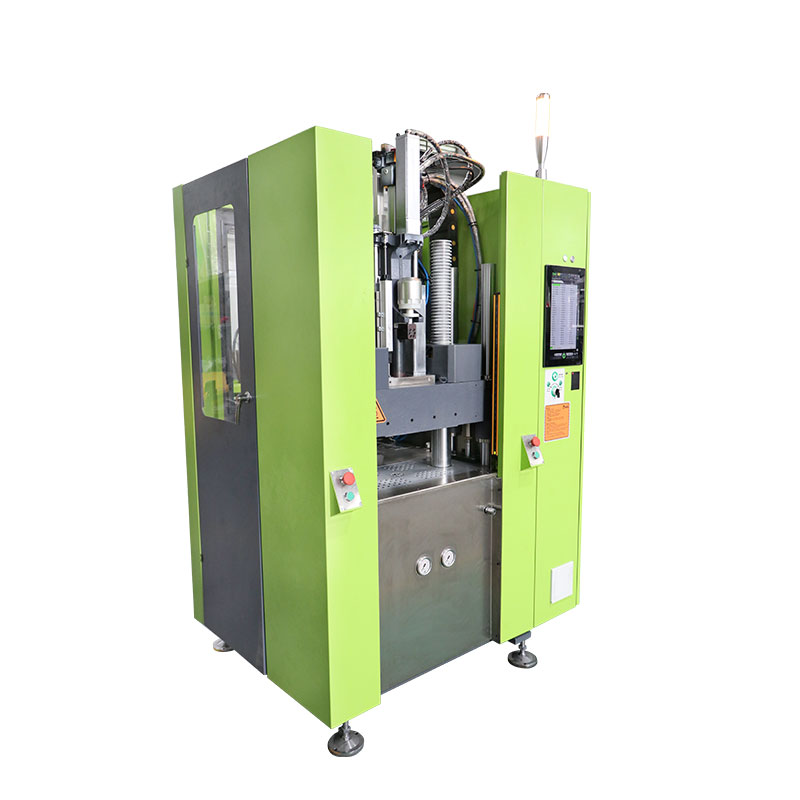
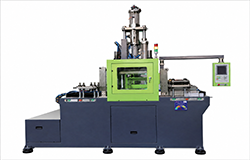
Vertical Micro LSR Injection Molding Machine
An enabled micro LSR machine reference for precision small-part discussions. Validate mold envelope, dosing integration, shot control, handling and measurement with representative trials. Use the approved technical file and FAT/SAT record for purchasing decisions. Do not extend one model's evidence to another configuration.
View Product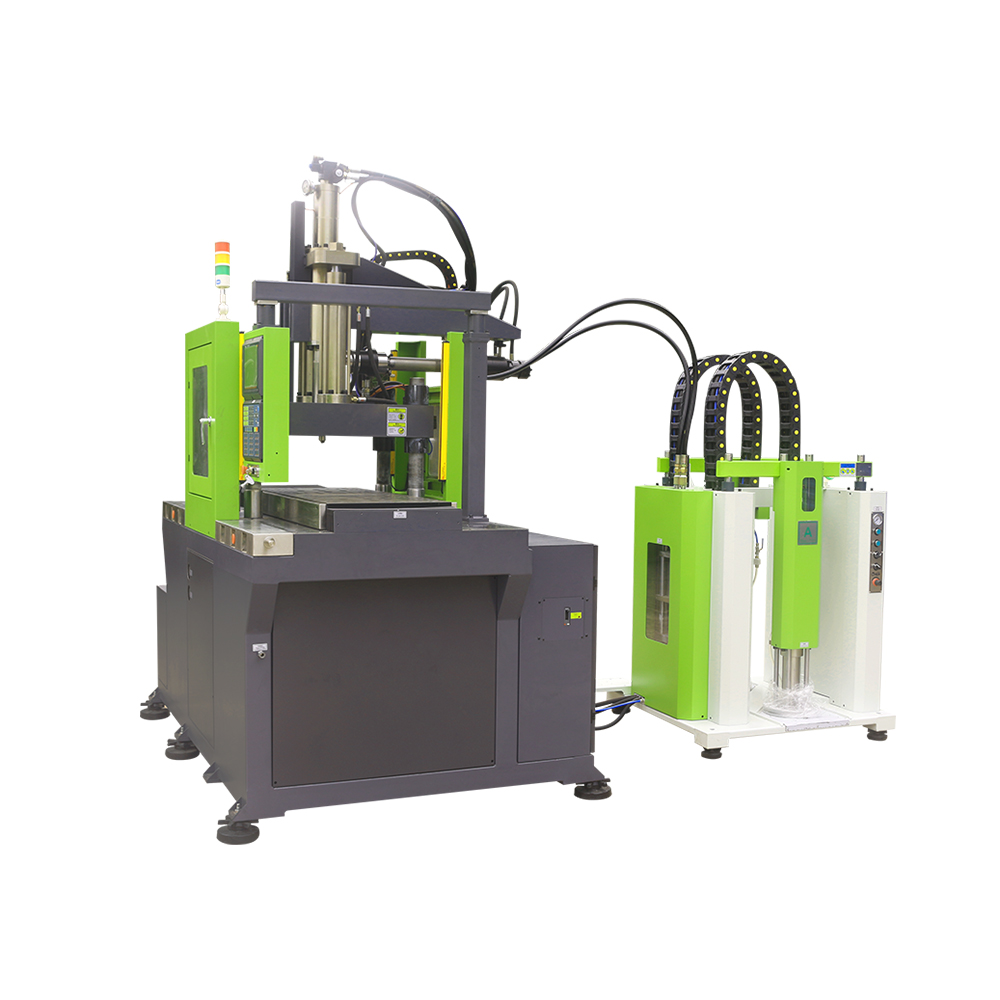
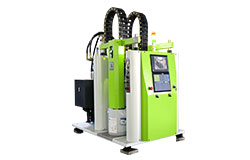
Vertical LSR Injection Molding Machine
An enabled standard vertical machine reference for comparison. Its backend summary describes vertical mold movement and optional double-station concepts, subject to configuration confirmation. Use the approved technical file and FAT/SAT record for purchasing decisions. Do not extend one model's evidence to another configuration.
View ProductFrequently Asked Questions
When is a micro LSR injection molding machine justified?
It is justified when representative trials show that its controllable shot range, precision tooling, part handling, metrology and material-loss profile fit the target small-part family better than a standard platform.
Does a small silicone part always require a micro machine?
No. Compare shot utilization, runner volume, mold envelope, insert handling, automation, quality capability, future tooling and lifecycle cost. A standard vertical machine may be more flexible for some portfolios.
What should be tested during FAT?
Use the intended or representative material, mold, inserts, dosing and handling. Verify safety and functions, then run a defined process trial that records repeatability, cavity balance, cycle variation, scrap, measurements, alarms and interventions.
How should published micro-injector values be used?
Treat them as model-specific inputs that require confirmation in the signed quotation, approved technical sheet and agreed acceptance method. Do not assume they apply to every configuration, material or test condition.
Why is metrology part of machine selection?
A process cannot be proven capable when the measurement method cannot resolve critical features reliably. Complete measurement-system analysis and define sampling and reaction rules before capability approval.
What is the difference between a vertical micro and rotary micro LSR machine?
A rotary layout can separate loading, molding and unloading tasks, while a non-rotary vertical layout may be simpler. Select from the actual station work, inserts, cycle, automation, guarding, maintenance and fault-recovery needs.





You May Also Like
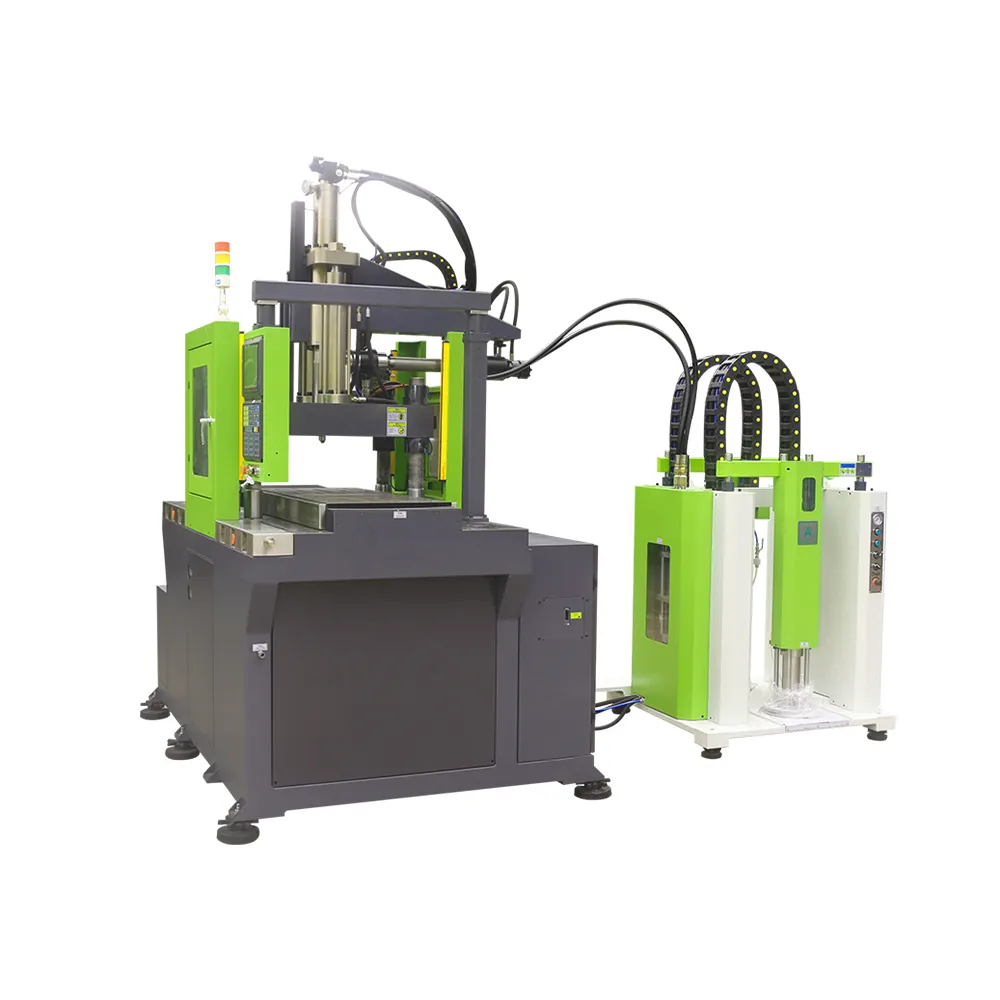
The vertical machine will open and close the mold in the vertical direction. The double slide plate can be installed with one upper mold and two lower molds. It can cooperate with the double station operation to improve the production efficiency, and is more suitable for the production of rubber coated products of silica gel package inserts.
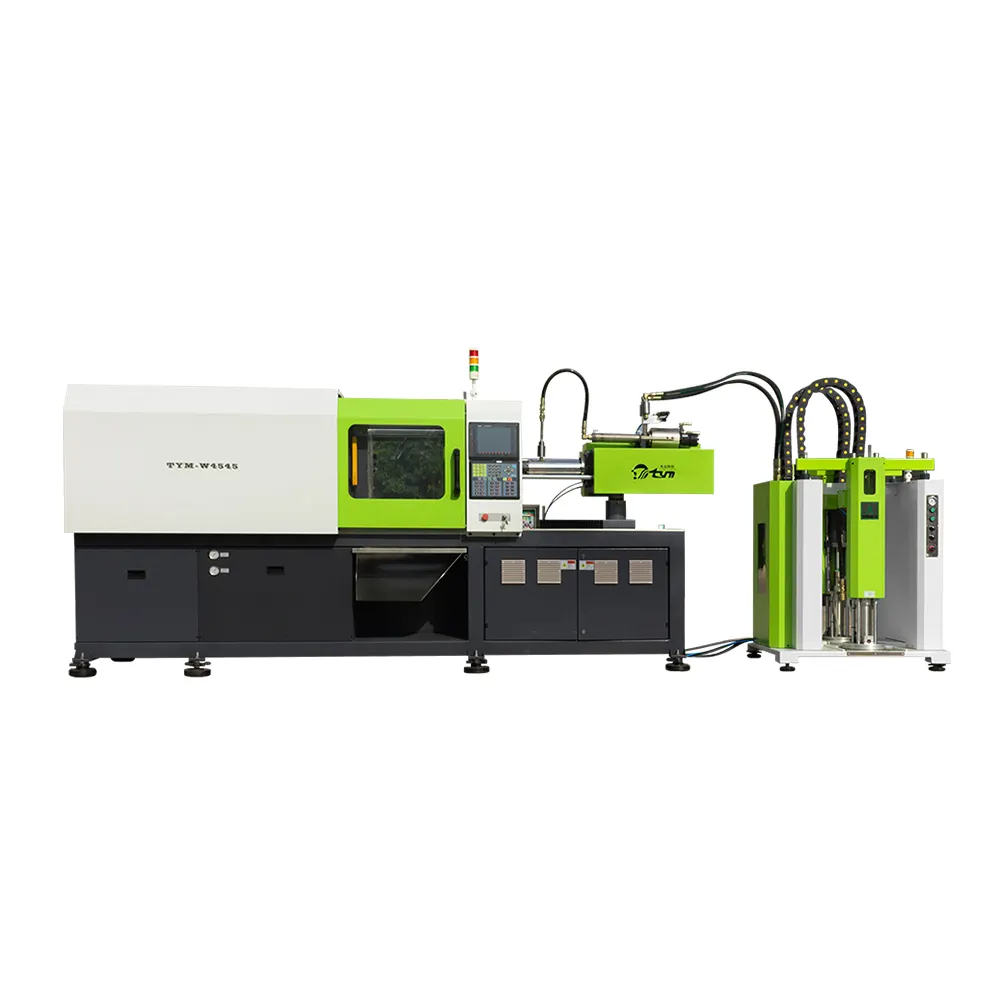
Direct pressure mold opening and closing system.It's more suitable for producing the LSR parts which can be automatically removed from the mold.It can be used for the production of silicone products in multiple industries - automotive wiring harnesses, baby pacifiers, menstrual cups, medical valve plugs.
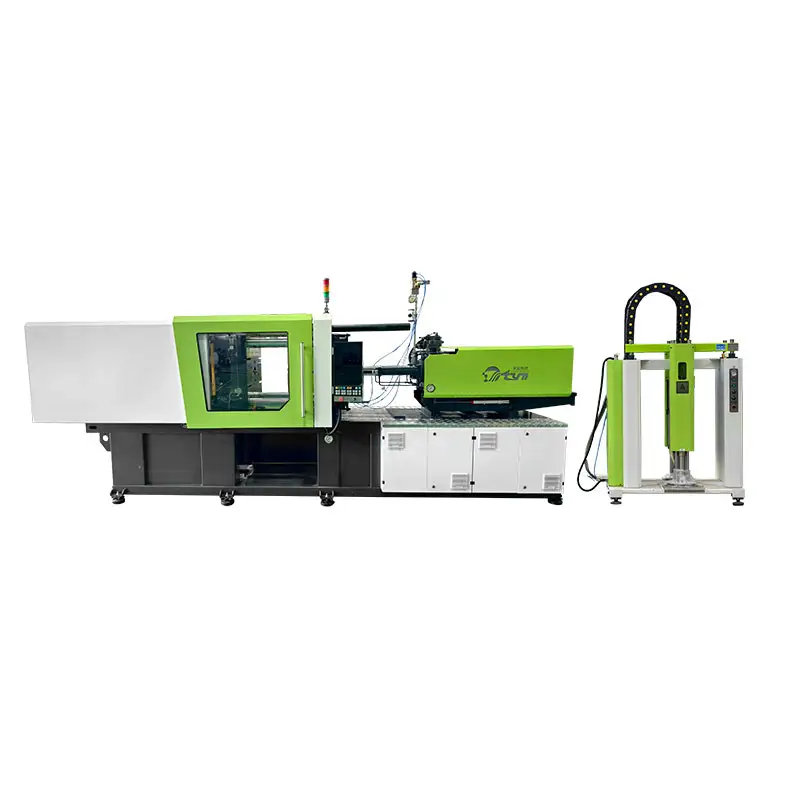
Direct pressure mold opening and closing system.It's more suitable for producing the LSR parts which can be automatically removed from the mold.
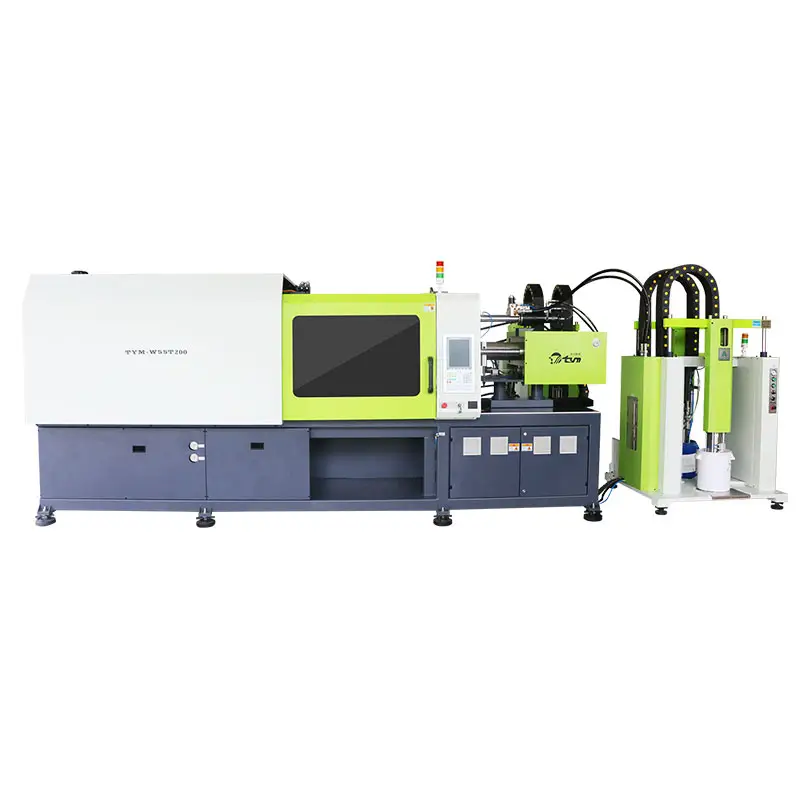
There are two injection units, two separate feed systems and color slurry addition systems. A unified system control panel can be used to achieve two different colors or hardness of liquid silicone. Formed in the machine at the same time, Suitable for the production of double color silicone products or double hardness silicone products.
Inquire About Our Latest Updates
Saw an interesting update or new technology in our news section? Leave us a message below for more detailed information, technical data, or event follow-ups.
Have a project in mind? Talk to our LSR experts and get a tailored turnkey solution.
Email: sales01@gdtym.com
WhatsApp/Phone: +86 18814115468
© 2026 TYM. All Rights Reserved.

Facebook
TikTok
TYM Silicone Machinery