











How Clamp Force Selection Affects LSR Injection Molding Performance
- Understanding the Role of Clamping Force in LSR Molding
- Factors Influencing Clamp Force Requirements
- Product Size and Projected Area
- Number of Cavities
- Injection Pressure and Flow Dynamics
- The Relationship Between Clamp Force and Mold Longevity
- Future Trends in Clamping Technology
- FAQs
- Q1: Can insufficient clamp force cause flash?
- Q2: Is higher clamp force always better?
- Q3: How is clamp force typically calculated?
Clamping force is one of the most fundamental parameters in liquid silicone rubber injection molding. While many manufacturers focus heavily on injection pressure, metering accuracy, and mold design, the selection of proper clamp force directly influences product quality, mold lifespan, process stability, and overall production efficiency. An improperly sized machine can create flash defects, dimensional inconsistency, excessive machine wear, and unnecessary energy consumption.
As LSR products continue evolving toward higher precision and multi-cavity production, understanding the relationship between clamping force and molding performance has become increasingly important for manufacturers seeking stable, high-volume production.
Understanding the Role of Clamping Force in LSR Molding
During the injection process, molten liquid silicone enters the mold cavity under pressure. The clamping unit must generate sufficient force to keep the mold tightly closed throughout filling and curing. If the clamping force is insufficient, cavity pressure may force material into microscopic gaps along the parting line, resulting in flash formation and poor product consistency.
Conversely, excessive clamp force does not necessarily improve quality. Applying unnecessary force increases mechanical stress on the mold, tie bars, and machine structure while also raising energy consumption and maintenance requirements.
Factors Influencing Clamp Force Requirements
Product Size and Projected Area
The projected area of the molded component is one of the primary factors used when calculating required clamping force. Larger products generate greater cavity pressure across the mold surface and typically require higher tonnage machines.
Number of Cavities
Multi-cavity molds significantly increase the total projected area and material flow volume within the mold. As cavity count increases, machine clamping requirements also increase to maintain sealing performance and dimensional consistency.
Injection Pressure and Flow Dynamics
High-speed filling profiles and complex geometries may require elevated cavity pressures during molding. Machine selection should therefore consider not only product size but also processing characteristics and mold design.
The Relationship Between Clamp Force and Mold Longevity
Properly matched clamping force contributes to longer mold life by reducing unnecessary mechanical stress. Precision medical and automotive molds often represent significant capital investments, making machine-to-mold matching a critical aspect of long-term manufacturing economics.
Manufacturers increasingly utilize simulation software and process analysis tools to optimize machine sizing and reduce wear-related maintenance costs.
Future Trends in Clamping Technology
Modern LSR injection machines are increasingly adopting servo-controlled clamping systems that provide dynamic force adjustment throughout the molding cycle. These technologies improve energy efficiency while maintaining stable cavity sealing conditions during high-speed production.
FAQs
Q1: Can insufficient clamp force cause flash?
A:Yes. Inadequate clamping force may allow silicone material to leak through mold parting surfaces.
Q2: Is higher clamp force always better?
A:No. Excessive force may increase machine wear and energy consumption without improving quality.
Q3: How is clamp force typically calculated?
A:It is generally based on projected product area, cavity count, and expected injection pressure.


You May Also Like
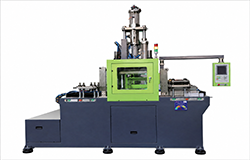
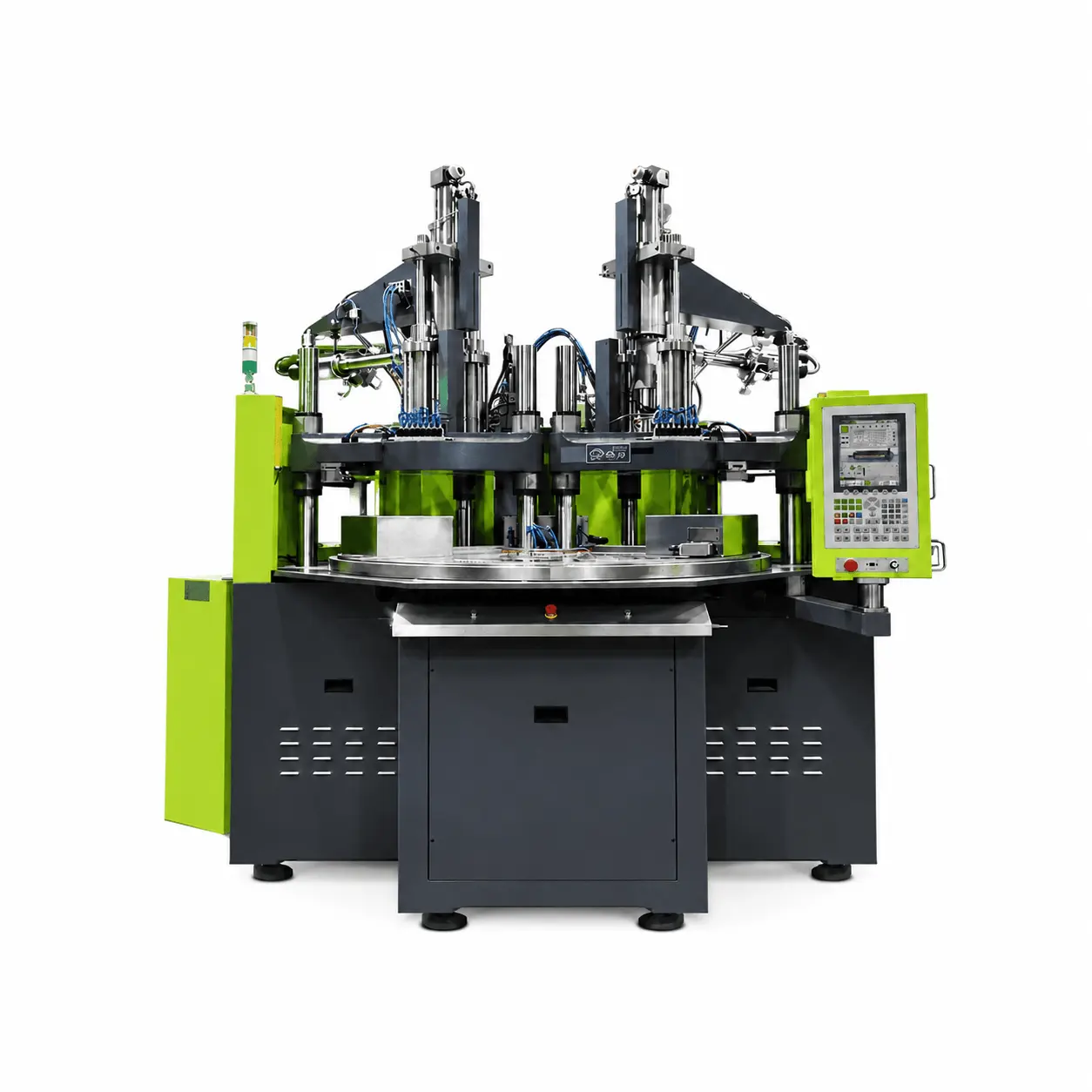
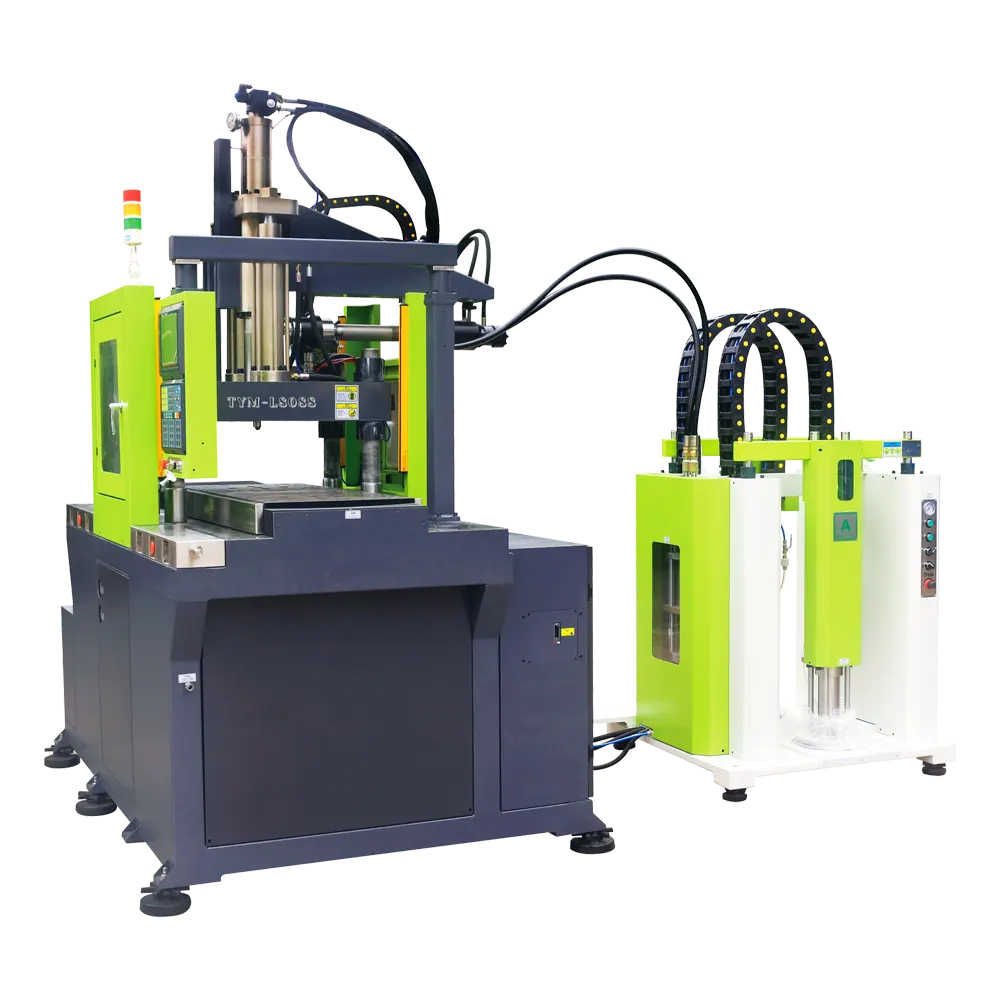
The vertical machine will open and close the mold in the vertical direction. The double slide plate can be installed with one upper mold and two lower molds. It can cooperate with the double station operation to improve the production efficiency, and is more suitable for the production of rubber coated products of silica gel package inserts.
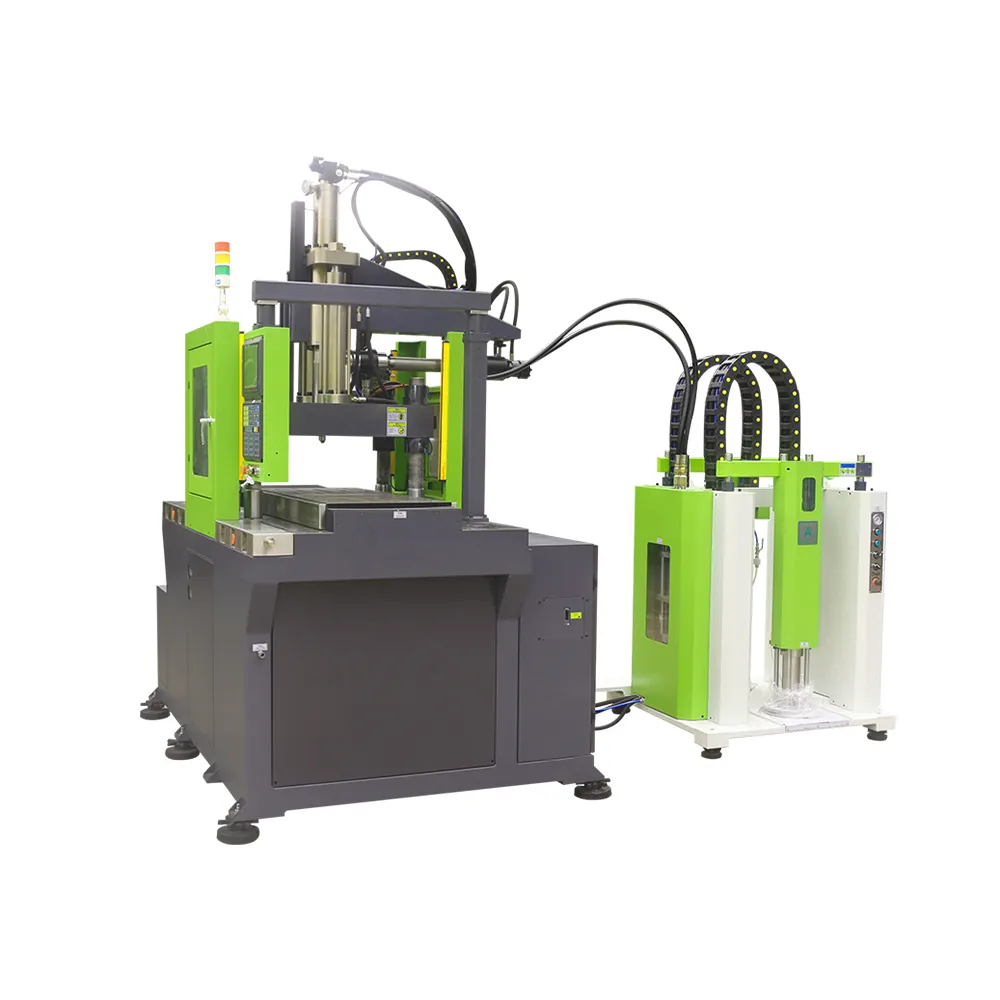
Direct pressure mold opening and closing system.It's more suitable for producing the LSR parts which can be automatically removed from the mold.It can be used for the production of silicone products in multiple industries - automotive wiring harnesses, baby pacifiers, menstrual cups, medical valve plugs.
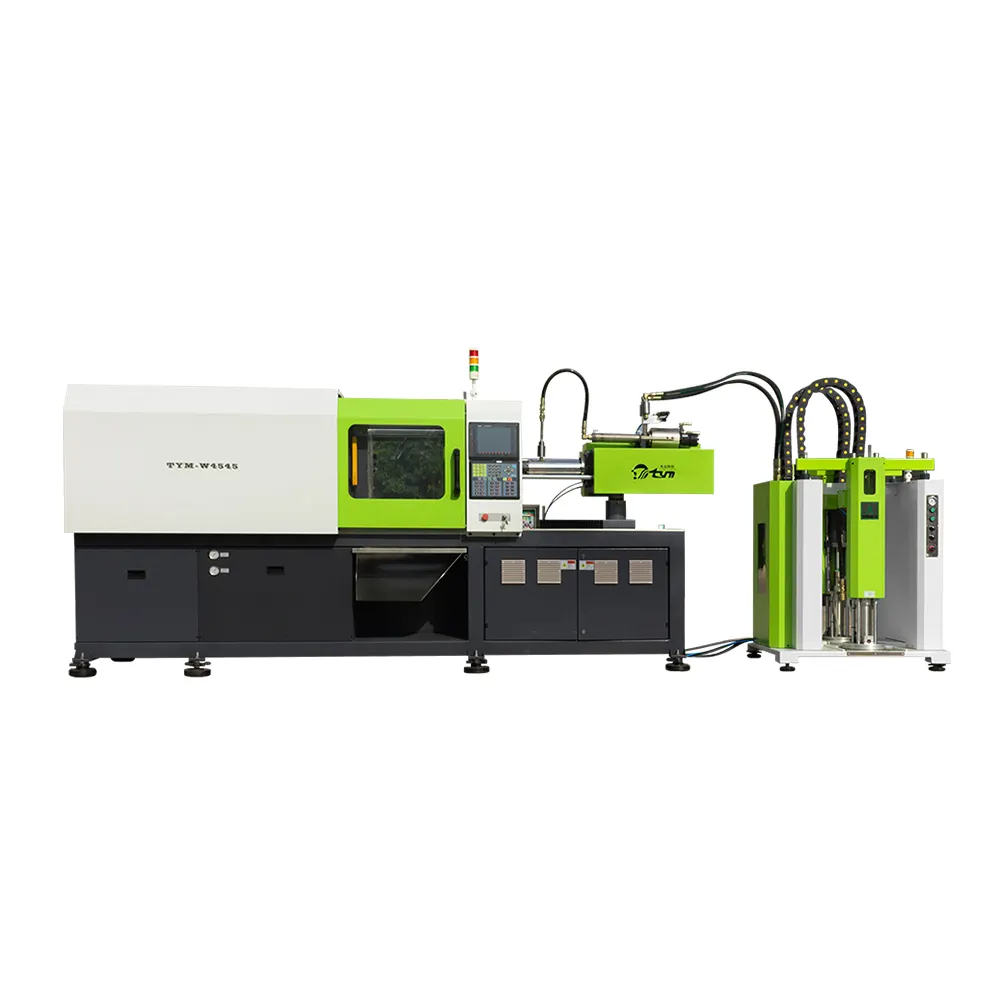
Direct pressure mold opening and closing system.It's more suitable for producing the LSR parts which can be automatically removed from the mold.
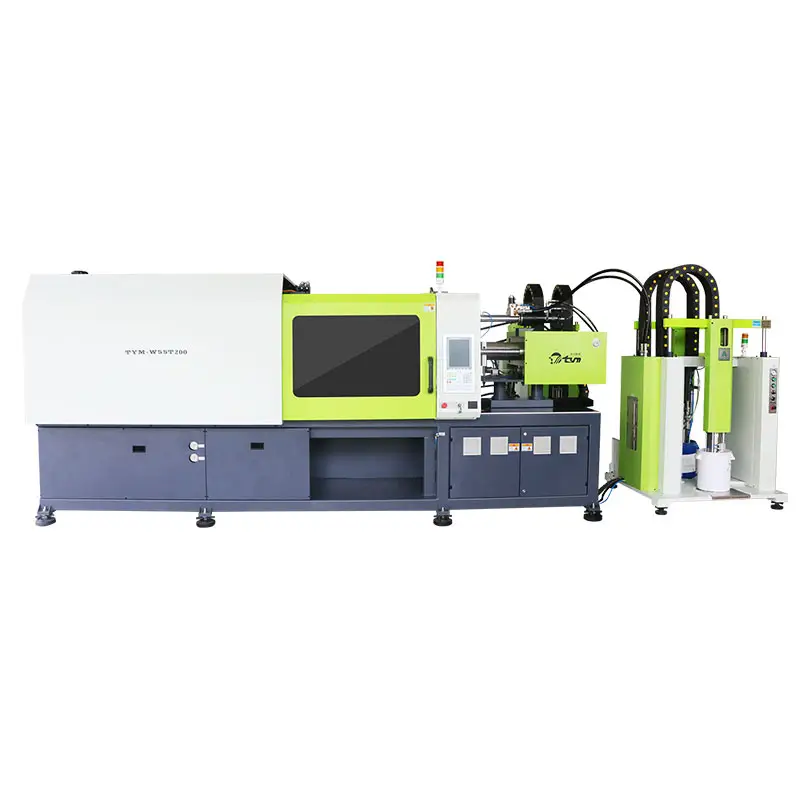
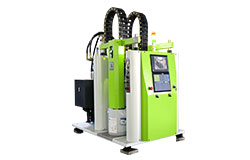
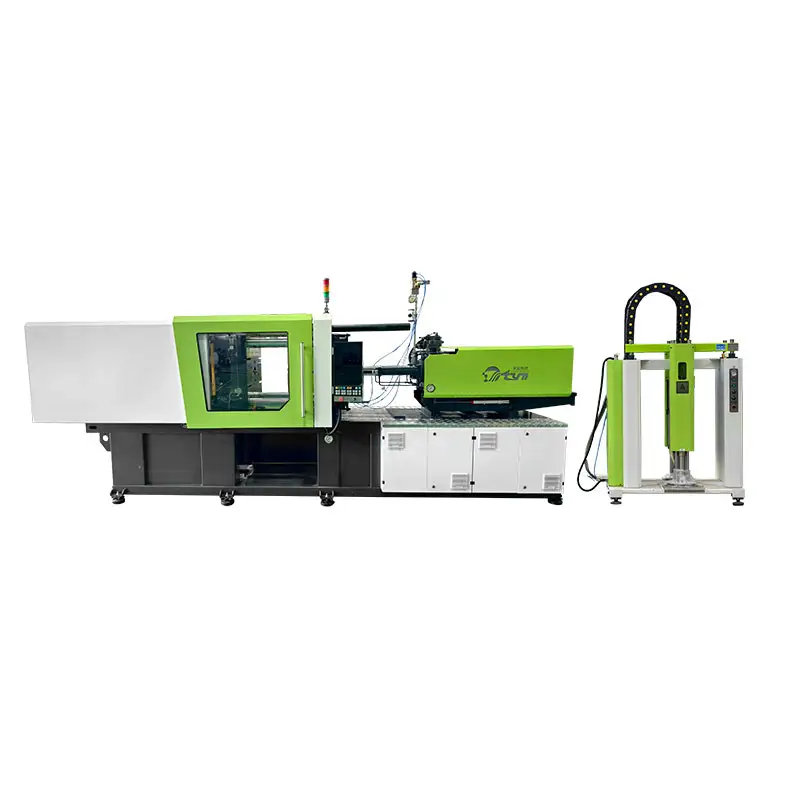
There are two injection units, two separate feed systems and color slurry addition systems. A unified system control panel can be used to achieve two different colors or hardness of liquid silicone. Formed in the machine at the same time, Suitable for the production of double color silicone products or double hardness silicone products.
Inquire About Our Latest Updates
Saw an interesting update or new technology in our news section? Leave us a message below for more detailed information, technical data, or event follow-ups.
Have a project in mind? Talk to our LSR experts and get a tailored turnkey solution.
Email: sales01@gdtym.com
WhatsApp/Phone: +86 18814115468
© 2026 TYM. All Rights Reserved.

Facebook
TikTok
TYM Silicone Machinery