










Liquid Silicone Rubber Market 2026: Size, Growth & Demand Drivers
- How big is the liquid silicone rubber market in 2026?
- Which segments lead LSR demand?
- Why is medical-grade LSR growing fastest?
- How are EVs and electronics reshaping demand?
- Which regions drive the market?
- What it means for buyers in 2026
- FAQs
- Q:What is the LSR market size in 2026?
- Q: What is the LSR market growth rate (CAGR)?
- Q:Which industry uses the most LSR?
- Q:Why is medical-grade LSR more expensive?
The global liquid silicone rubber (LSR) market is worth roughly USD 3.4-3.8 billion in 2026, expanding at an estimated 7-9% CAGR. Growth is driven mainly by medical devices and electric-vehicle components. This briefing summarizes the latest market size, leading segments, and demand drivers for B2B buyers, product engineers, and procurement teams.
How big is the liquid silicone rubber market in 2026?
LSR market estimates for 2026 range from about USD 2.5 billion to USD 3.8 billion, with a consensus mid-point near USD 3.4 billion and a CAGR of 7-9%. The spread reflects different scopes and methodologies across research firms, but every major source agrees the market is growing faster than most commodity elastomers.
|
Research source |
2026 market size |
Reported CAGR |
|
MarketsandMarkets |
~USD 3.82 billion (by 2026) |
8.3% |
|
Persistence Market Research |
~USD 3.6 billion |
8.7% (2026-2033) |
|
Business Research Insights |
~USD 2.46 billion |
6.2% (to 2034) |
|
Consensus working range |
USD 3.4-3.8 billion |
~7-9% |
Which segments lead LSR demand?
Medical-grade LSR leads the market, accounting for roughly 44% of grade-segment revenue in 2026. Medical-grade material typically sells at 2-3 times the price of industrial grades because of higher raw-material purity, biological testing, documentation, and supply-chain traceability. Other major segments include automotive, electrical and electronics, and consumer and baby-care products.
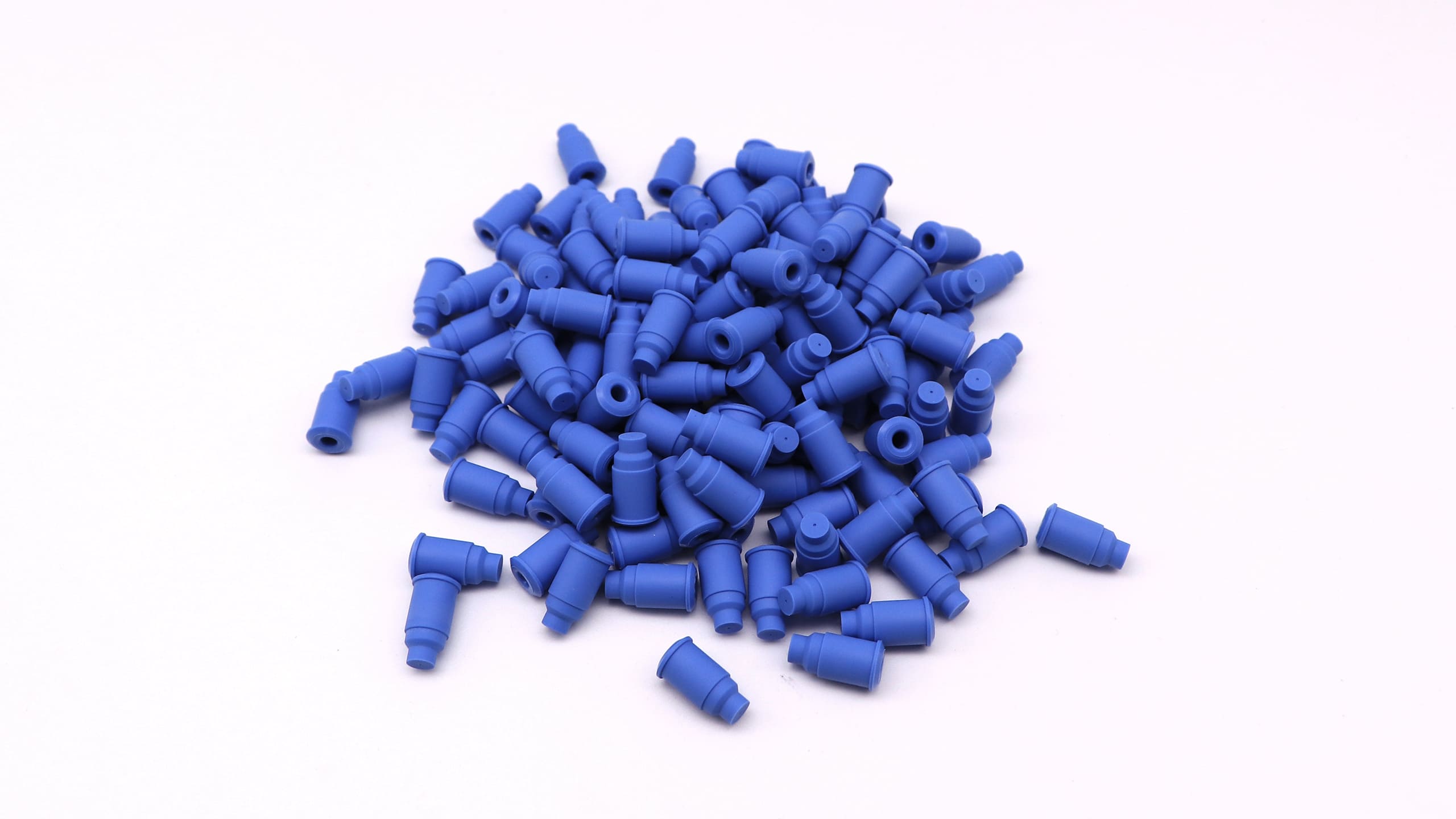
• Medical: catheters, respiratory mask seals, syringe plungers, hearing-aid parts, wearable biosensor interfaces.
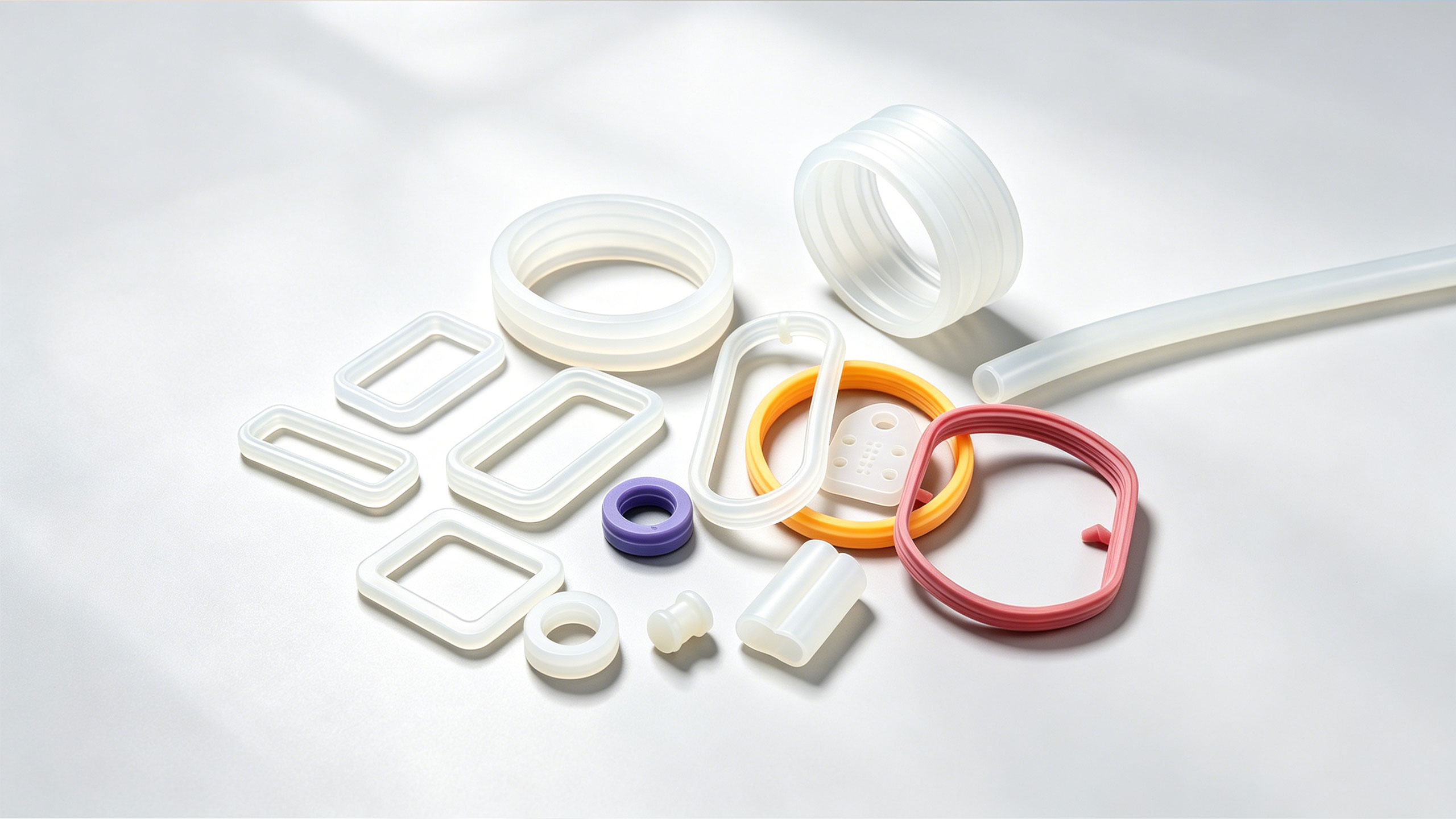
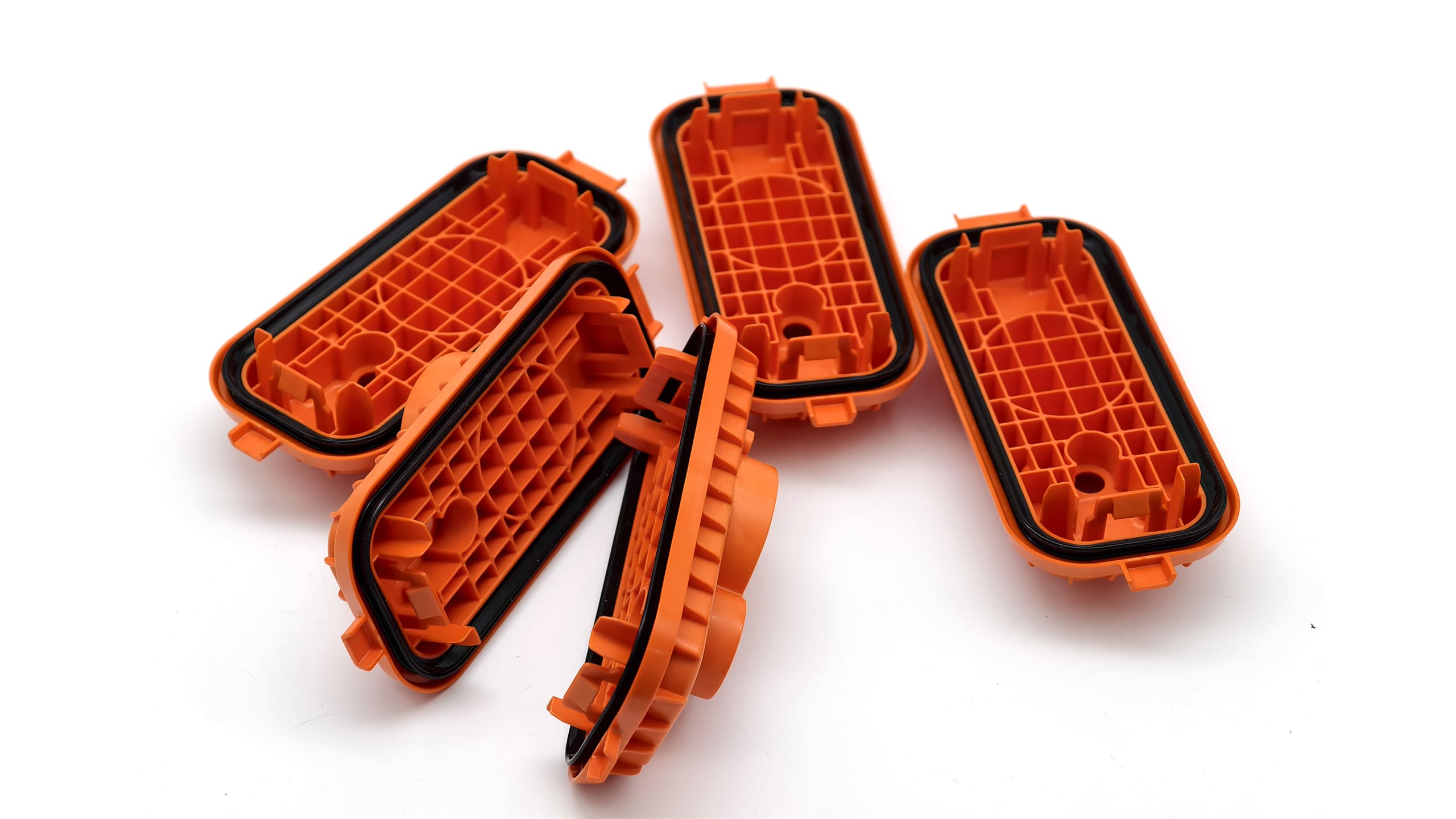
• Automotive & EV: battery and connector seals, gaskets, thermal interface parts, ignition components.
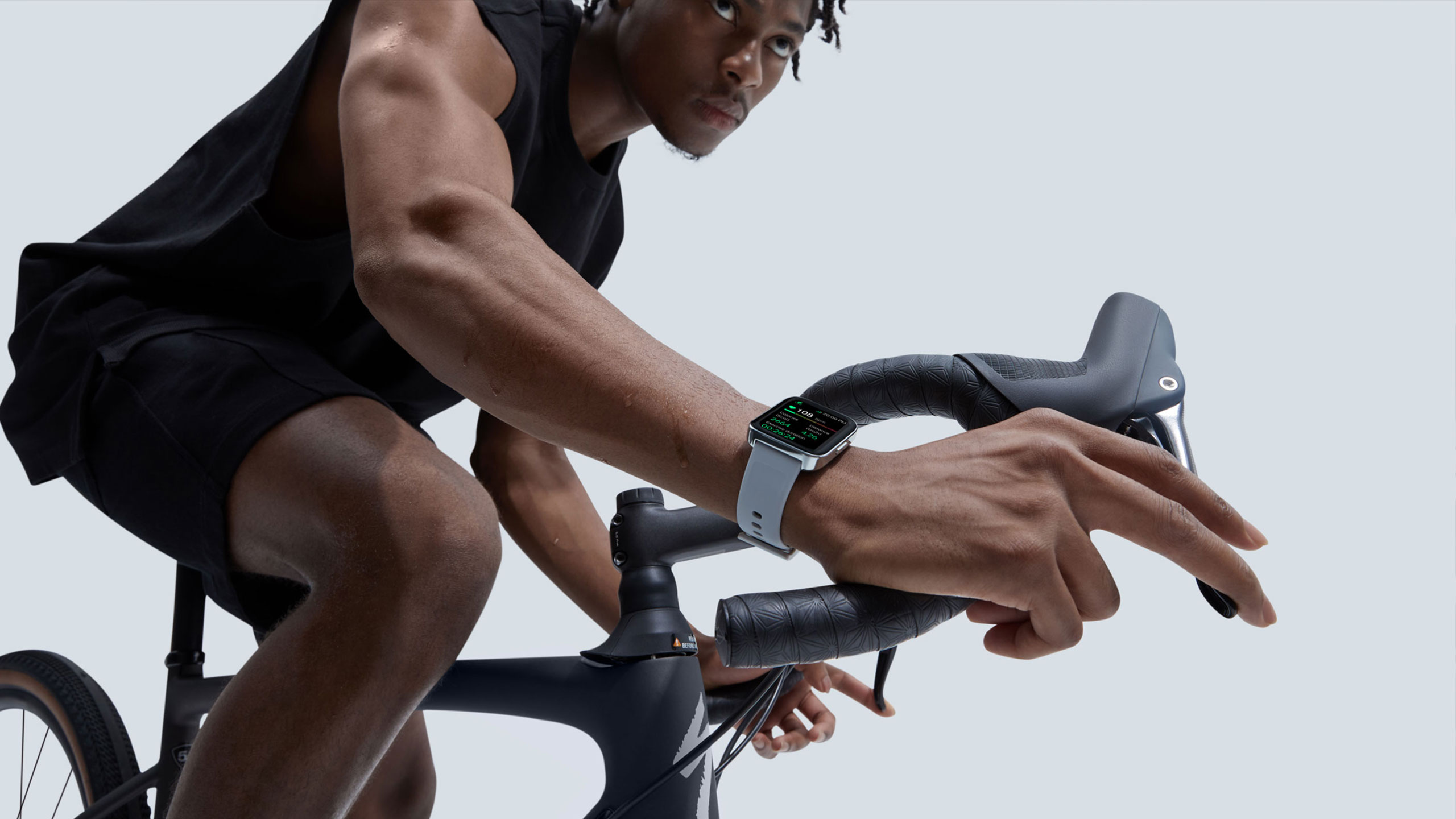
• Electronics: waterproof seals, keypads, and protective overmolding for consumer devices.
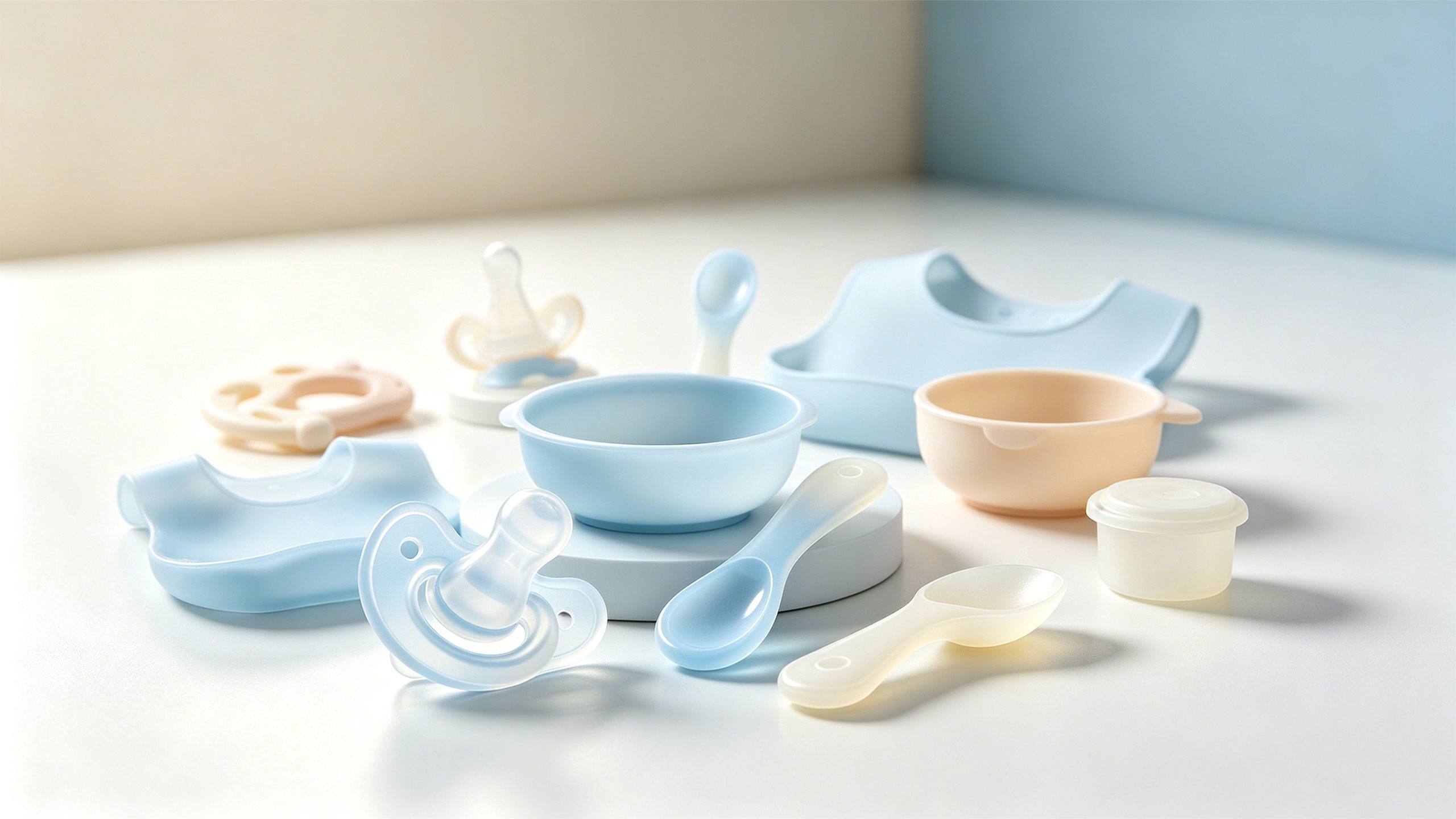
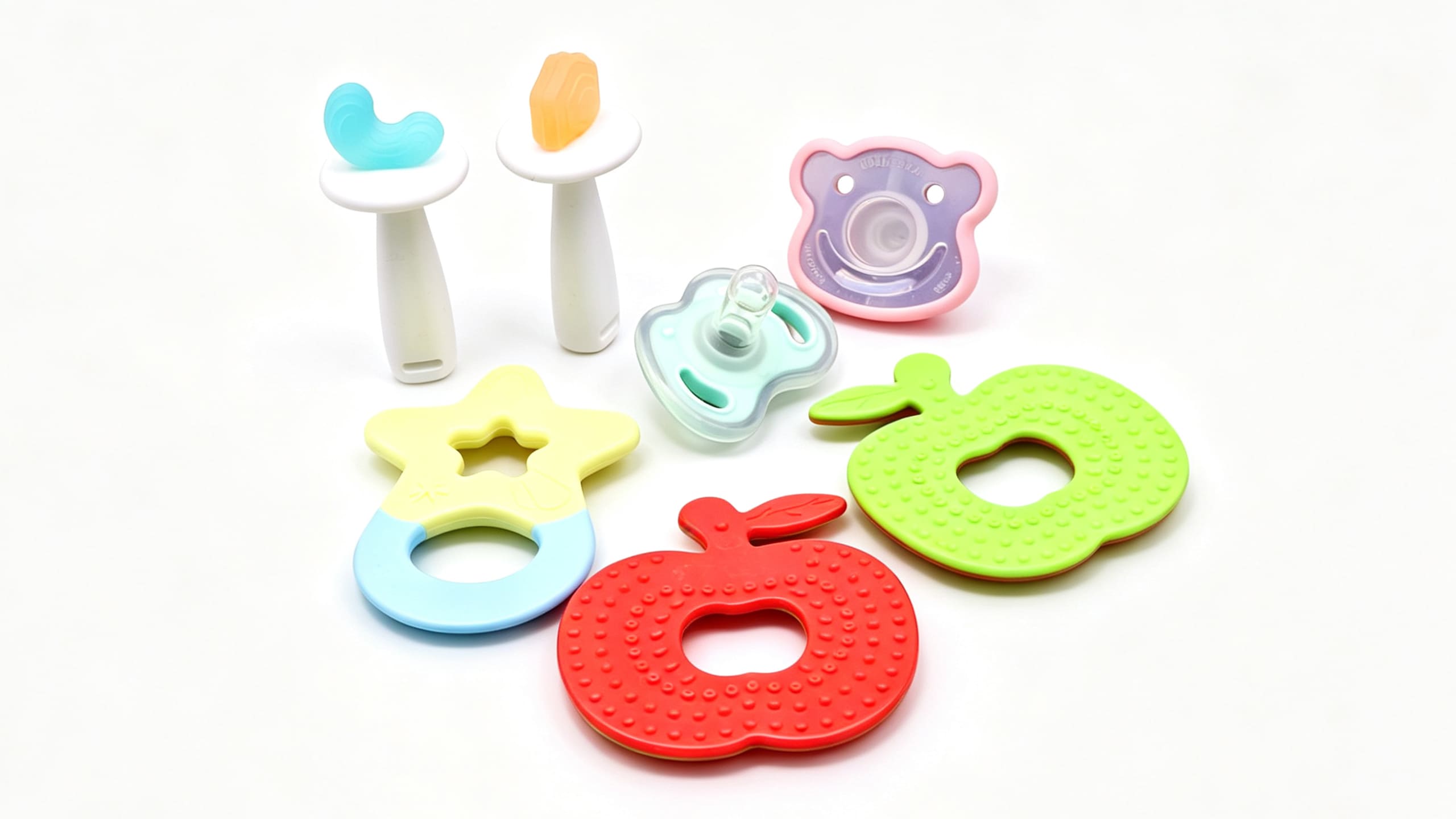
• Baby & consumer: pacifiers, bottle nipples, kitchenware, and wearable straps.
Why is medical-grade LSR growing fastest?
Medical-grade LSR grows fastest because regulators require certified biocompatible materials for any polymer in patient contact. Materials must meet ISO 10993, USP Class VI, and FDA requirements that confirm they are non-toxic, non-cytotoxic, and safe for prolonged human contact. Rising surgical volumes, home-care devices, and wearable monitoring all expand demand for compliant LSR.
How are EVs and electronics reshaping demand?
Electric-vehicle production is now a primary growth engine for LSR. EVs need sealing and insulation that survive heat, vibration, and moisture—roles where LSR outperforms thermoplastics and conventional rubber. In electronics, the shift to waterproof, miniaturized devices increases use of precision LSR overmolding and micro-molding.
Which regions drive the market?
Asia-Pacific leads both LSR consumption and manufacturing capacity, with China the central production hub. Strong electronics, automotive, and medical manufacturing bases, plus competitive equipment and tooling supply, keep the region ahead of North America and Europe in volume growth. This concentration also makes Asia-Pacific the most cost-effective place to source LSR machines and molds.
What it means for buyers in 2026
For procurement teams and product engineers, a growing, medical-led market means more material choice and stronger supplier ecosystems—but also tighter compliance expectations. Buyers planning new silicone programs should lock in material certifications early, design for efficient molding, and choose equipment partners that can scale from prototype to validated mass production.
FAQs
Q:What is the LSR market size in 2026?
Estimates place the global liquid silicone rubber market at roughly USD 3.4-3.8 billion in 2026, with some narrower-scope reports as low as USD 2.5 billion. The differences come from how each firm defines product grades and end-use applications, so a range is more reliable than a single figure.
Q: What is the LSR market growth rate (CAGR)?
Most forecasts put LSR market growth at about 7-9% CAGR through the early 2030s. This outpaces many commodity elastomers and is sustained by medical devices, electric vehicles, and waterproof electronics rather than by any single industry.
Q:Which industry uses the most LSR?
Medical is the largest grade segment, at roughly 44% of revenue in 2026, because patient-contact devices require biocompatible, certified silicone. Automotive, electronics, and baby-care products make up most of the remaining demand.
Q:Why is medical-grade LSR more expensive?
Medical-grade LSR usually costs 2-3 times more than industrial grades. The premium covers higher raw-material purity, ISO 10993 and USP Class VI biological testing, full documentation, and strict supply-chain traceability needed for regulatory approval.
You May Also Like
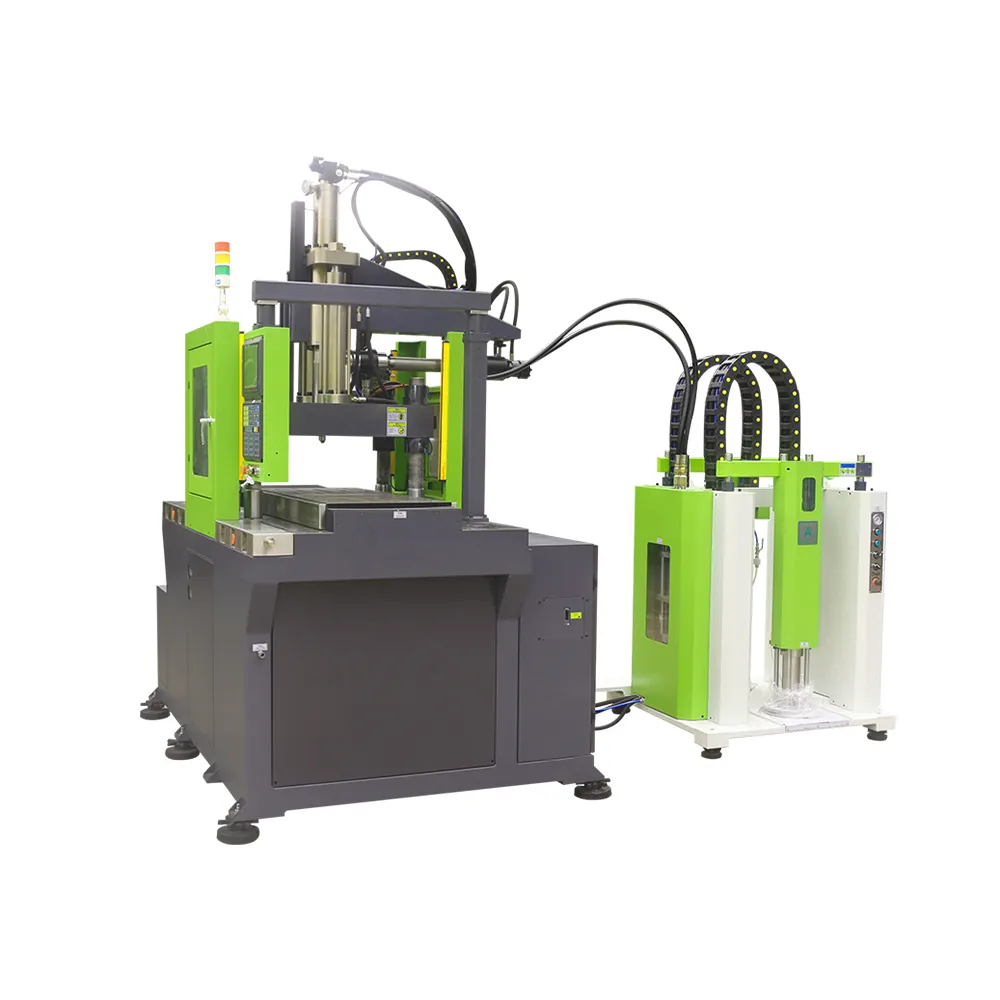
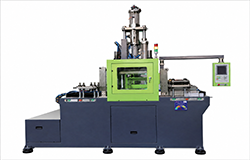
The vertical machine will open and close the mold in the vertical direction. The double slide plate can be installed with one upper mold and two lower molds. It can cooperate with the double station operation to improve the production efficiency, and is more suitable for the production of rubber coated products of silica gel package inserts.
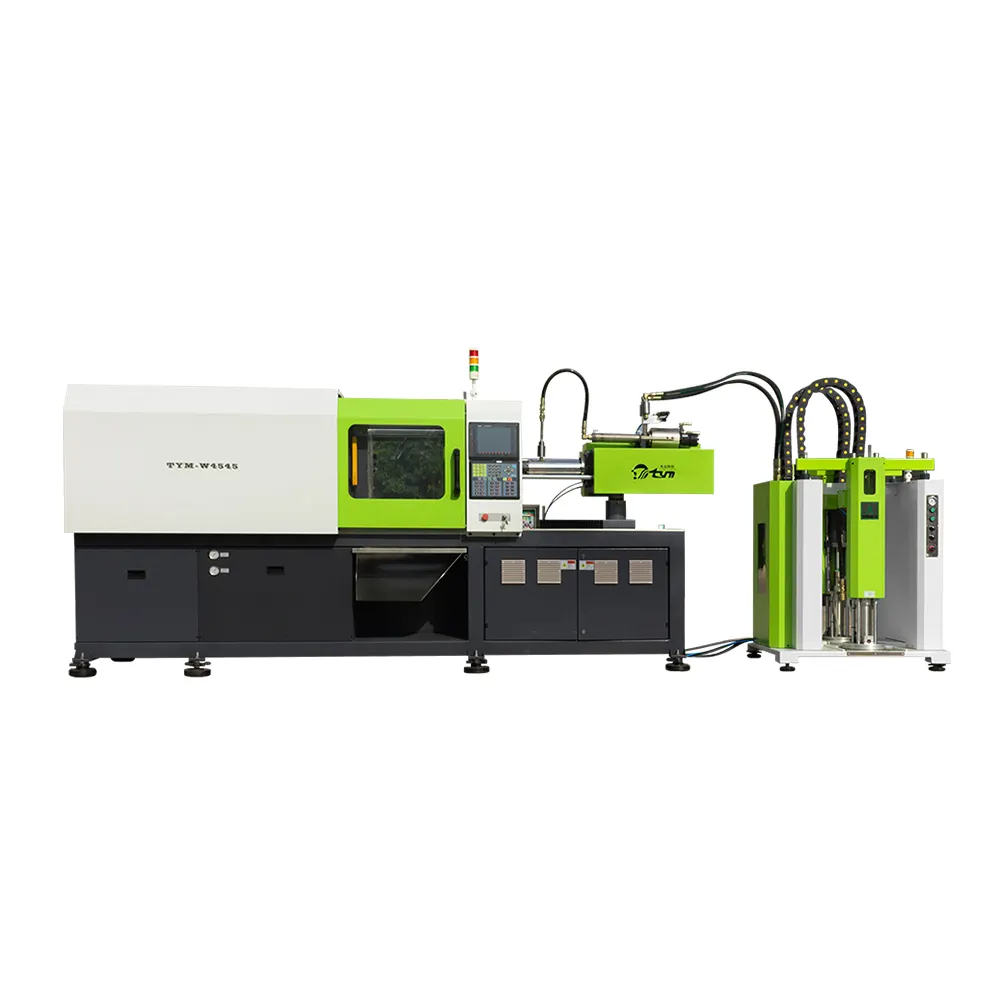
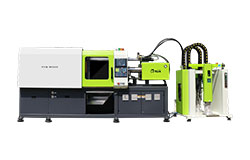
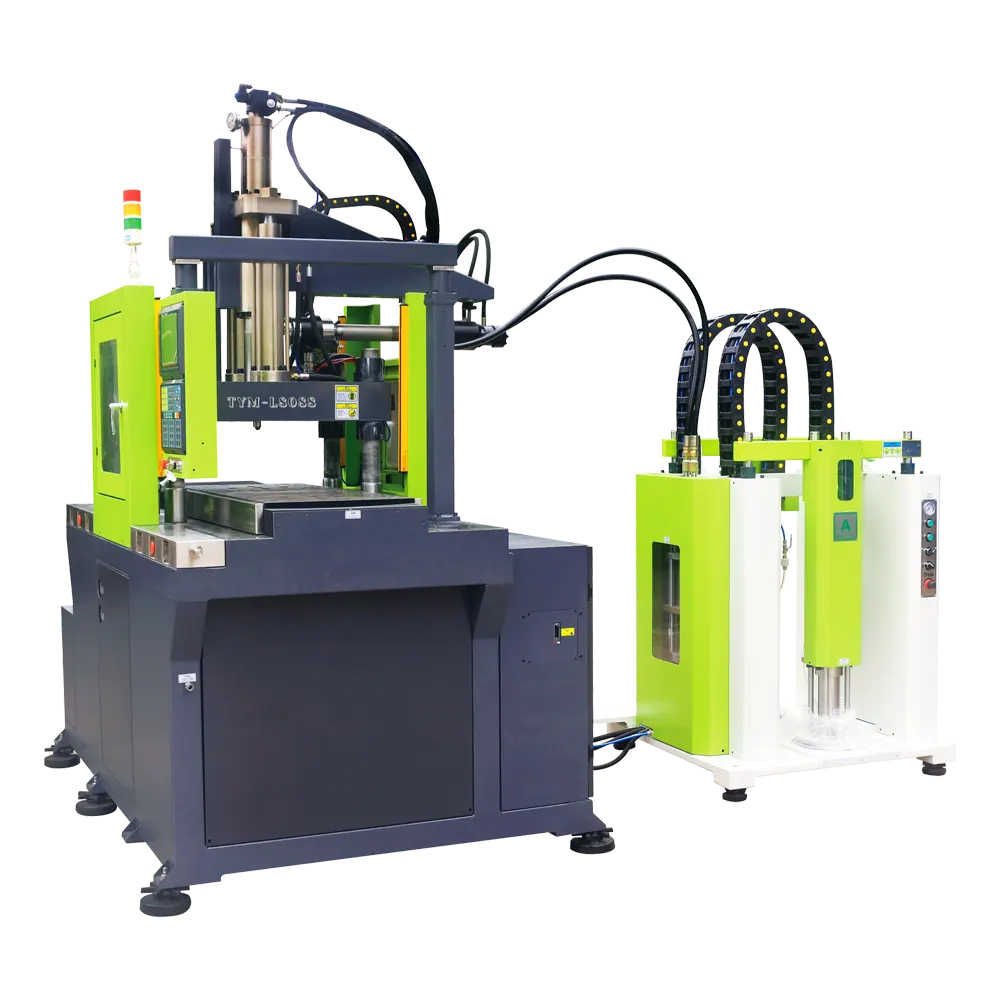
Direct pressure mold opening and closing system.It's more suitable for producing the LSR parts which can be automatically removed from the mold.It can be used for the production of silicone products in multiple industries - automotive wiring harnesses, baby pacifiers, menstrual cups, medical valve plugs.
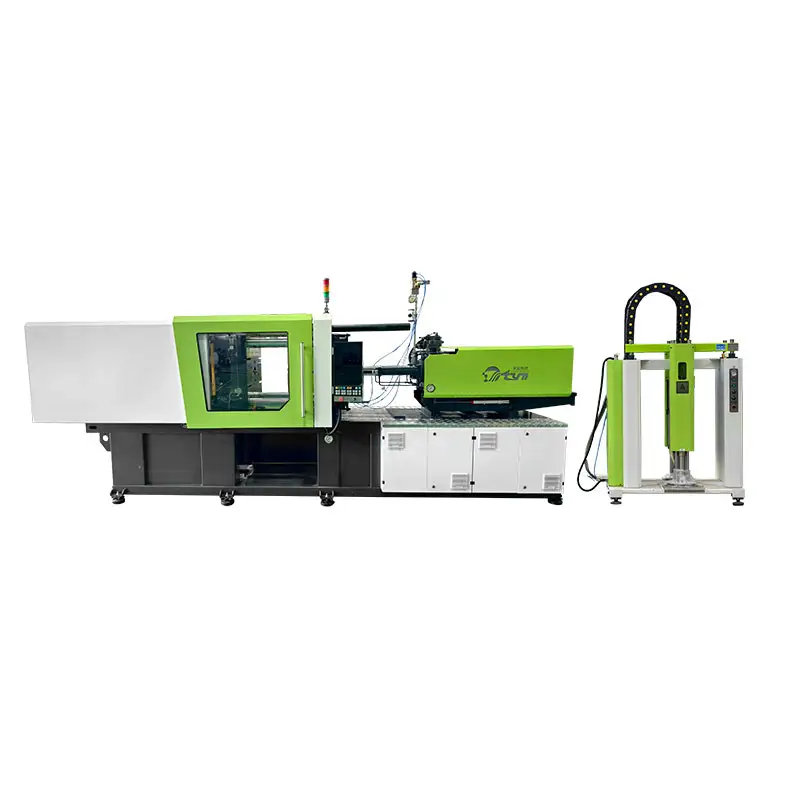
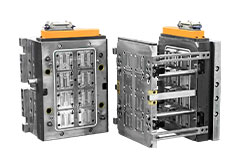
Direct pressure mold opening and closing system.It's more suitable for producing the LSR parts which can be automatically removed from the mold.
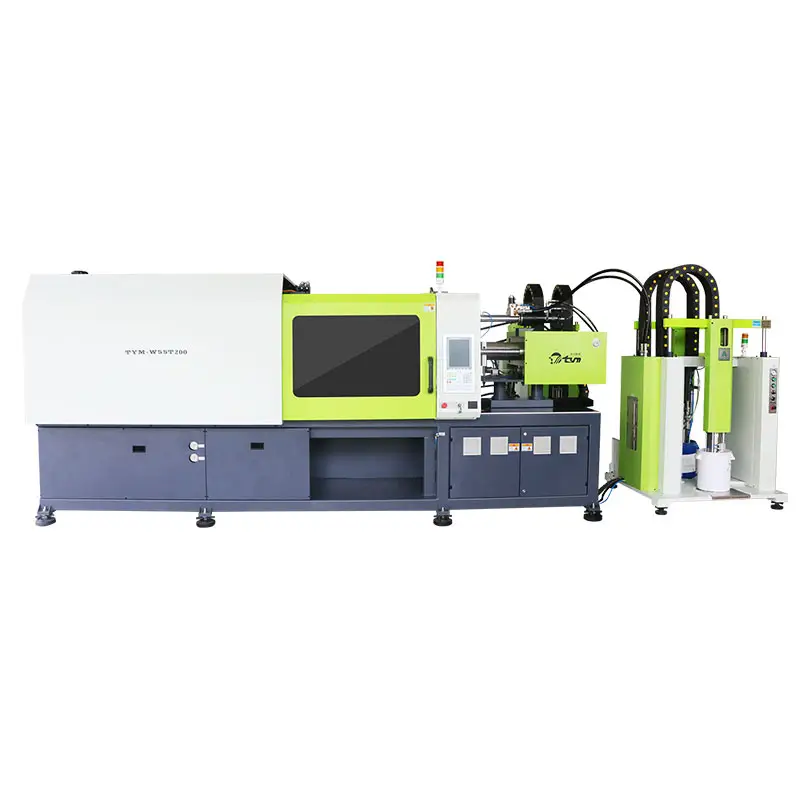
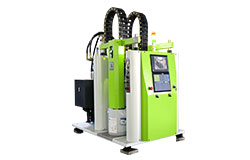
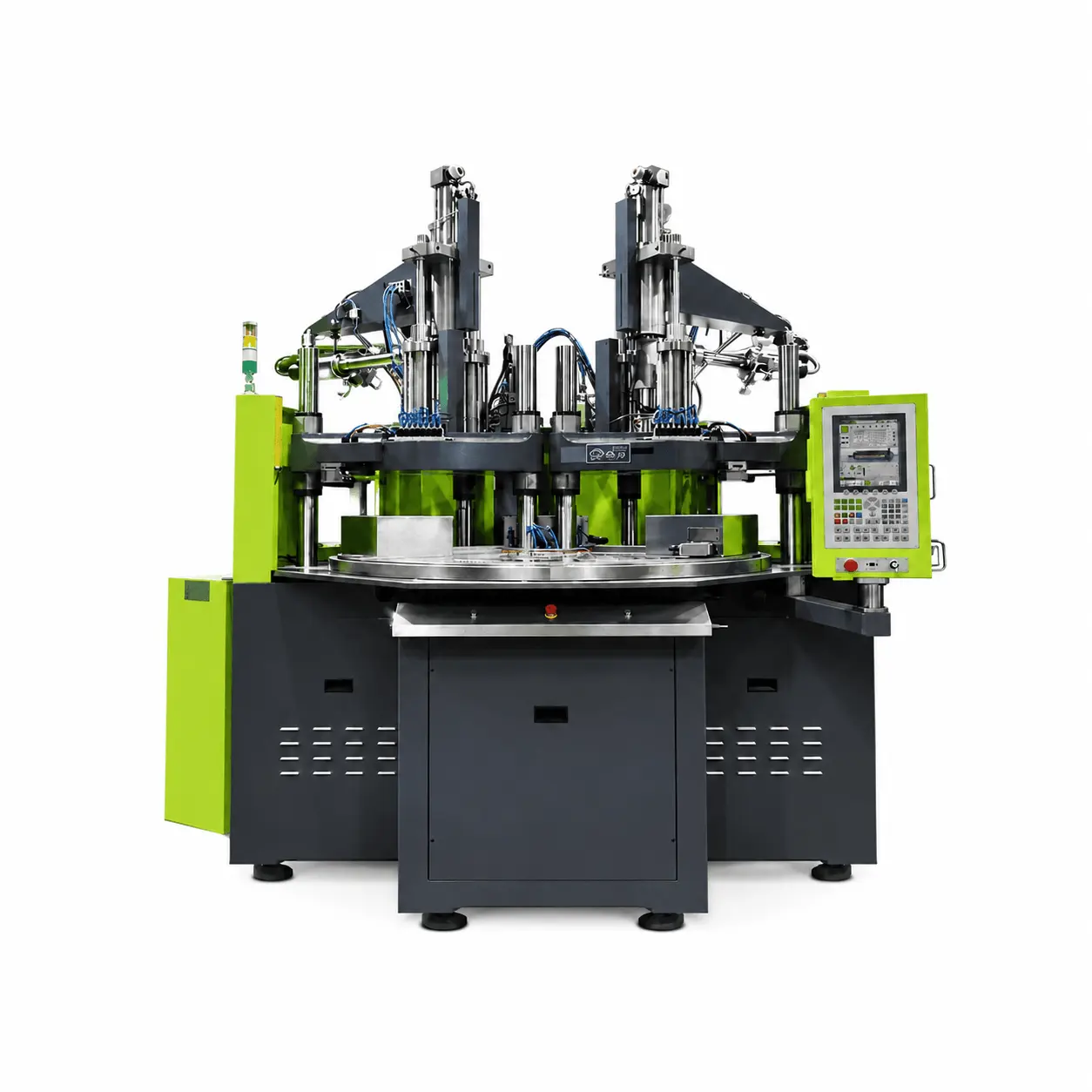
There are two injection units, two separate feed systems and color slurry addition systems. A unified system control panel can be used to achieve two different colors or hardness of liquid silicone. Formed in the machine at the same time, Suitable for the production of double color silicone products or double hardness silicone products.
Inquire About Our Latest Updates
Saw an interesting update or new technology in our news section? Leave us a message below for more detailed information, technical data, or event follow-ups.
Have a project in mind? Talk to our LSR experts and get a tailored turnkey solution.
Email: sales01@gdtym.com
WhatsApp/Phone: +86 18814115468
© 2026 TYM. All Rights Reserved.

Facebook
TikTok
TYM Silicone Machinery