











The Effect of Curing Temperature on LSR Cross-linking Speed
The curing of Liquid Silicone Rubber (LSR) is a chemical reaction, known as cross-linking, where polymer chains are linked together to form a solid elastomer. This reaction is highly temperature-dependent. Increasing the mold temperature accelerates the cross-linking process, significantly reducing the time required for the part to reach its full physical properties and be ready for ejection. This is perhaps the most direct way to influence cycle time in LSR molding; higher curing temperatures generally lead to faster cycles.
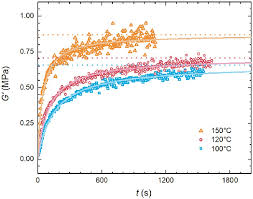
However, this relationship is not without limits. There is an upper temperature threshold beyond which raising the temperature provides diminishing returns in terms of speed and can introduce problems. Excessively high temperatures can cause the LSR to cure too rapidly on the surface while the core remains under-cured, leading to issues like incomplete detail replication or poor adhesion in overmolding applications. It can also increase the risk of thermal degradation of the material or damage to sensitive inserts within the mold.
Material formulation also plays a role. Different LSR grades are designed with specific catalyst systems that respond differently to temperature changes. Some are formulated for rapid cure at moderate temperatures, ideal for high-volume production. Others are designed for slower cure at elevated temperatures, providing a longer working window for complex assemblies or insert molding. Understanding the specific cure kinetics of the LSR being used is crucial for optimizing the mold temperature setting for maximum speed.
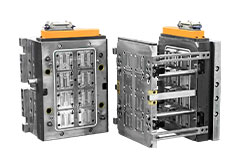
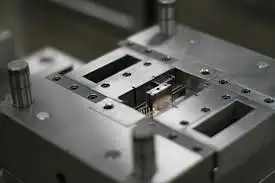
Effective thermal management within the mold is equally important. Uniform temperature distribution ensures that all parts of the component cure at the same rate. Hot spots can cause premature curing and increased stress, while cold spots will be the last to cure, determining the overall cycle time. Sophisticated mold heating systems, such as conformal oil channels or precisely controlled electric heaters, are used to maintain consistent temperatures across the entire cavity surface, enabling the full benefit of elevated curing temperatures to be realized in the shortest possible time.

You May Also Like
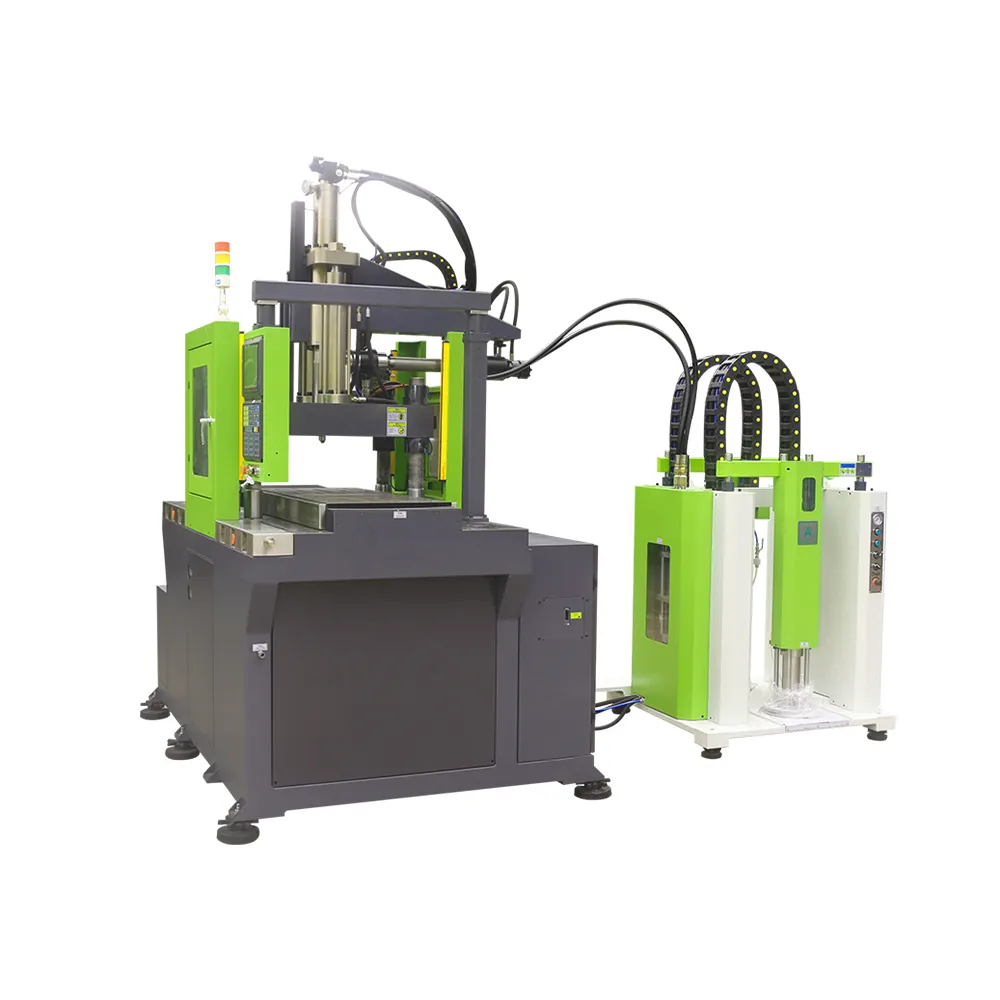
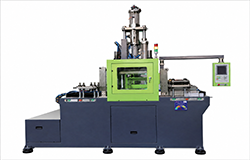
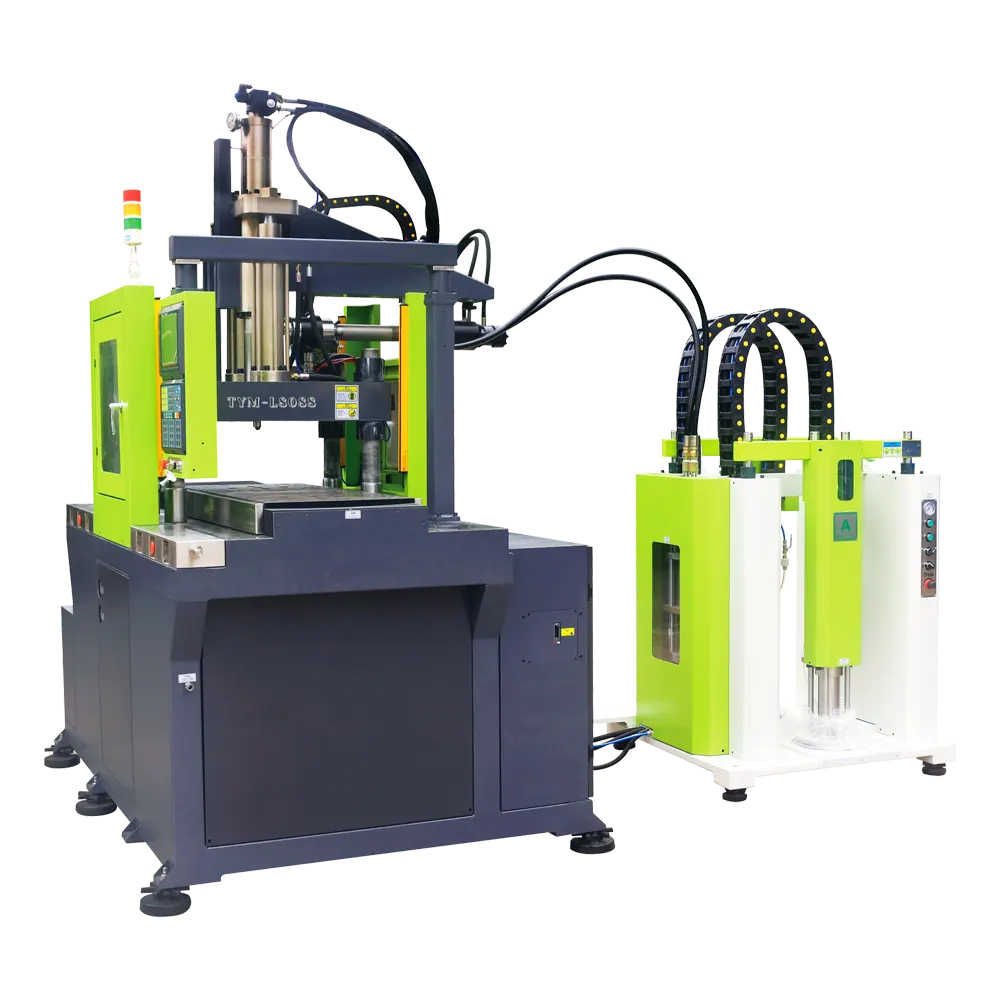
The vertical machine will open and close the mold in the vertical direction. The double slide plate can be installed with one upper mold and two lower molds. It can cooperate with the double station operation to improve the production efficiency, and is more suitable for the production of rubber coated products of silica gel package inserts.
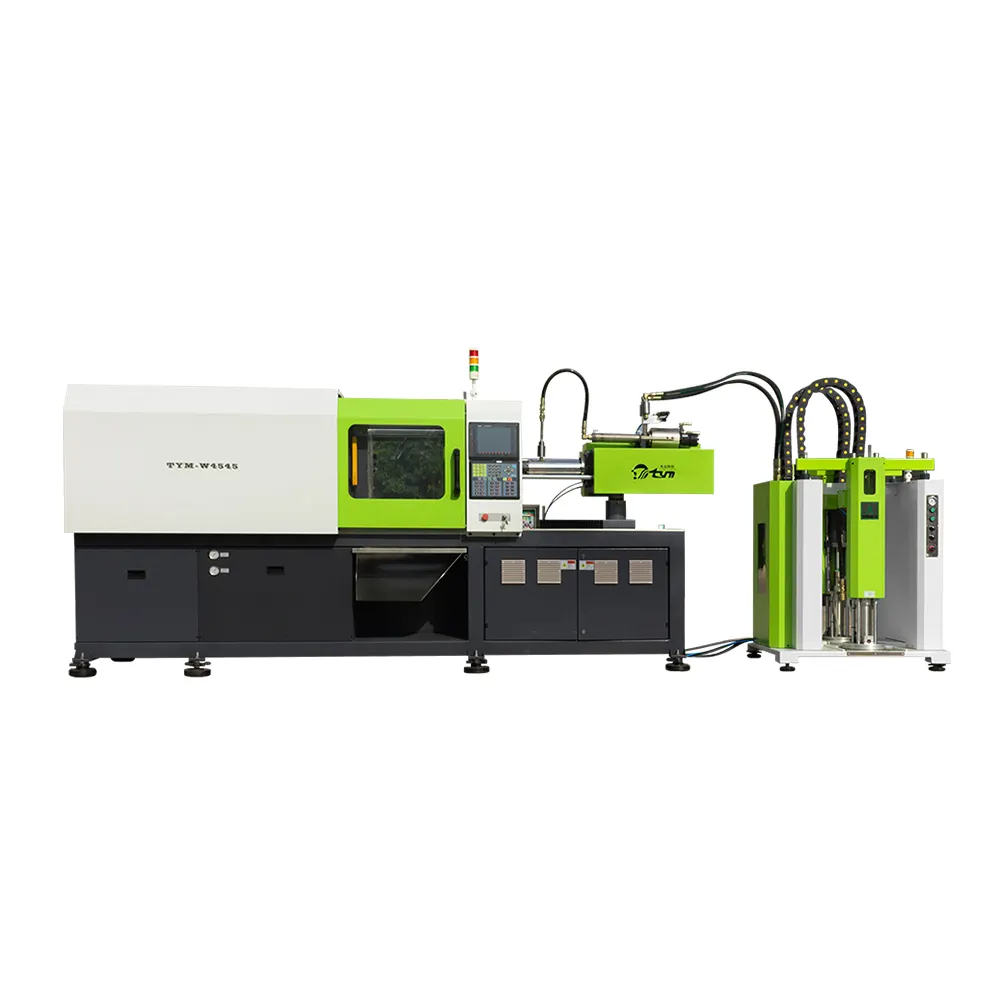
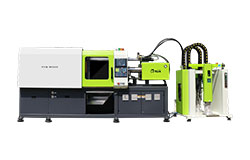
Direct pressure mold opening and closing system.It's more suitable for producing the LSR parts which can be automatically removed from the mold.It can be used for the production of silicone products in multiple industries - automotive wiring harnesses, baby pacifiers, menstrual cups, medical valve plugs.
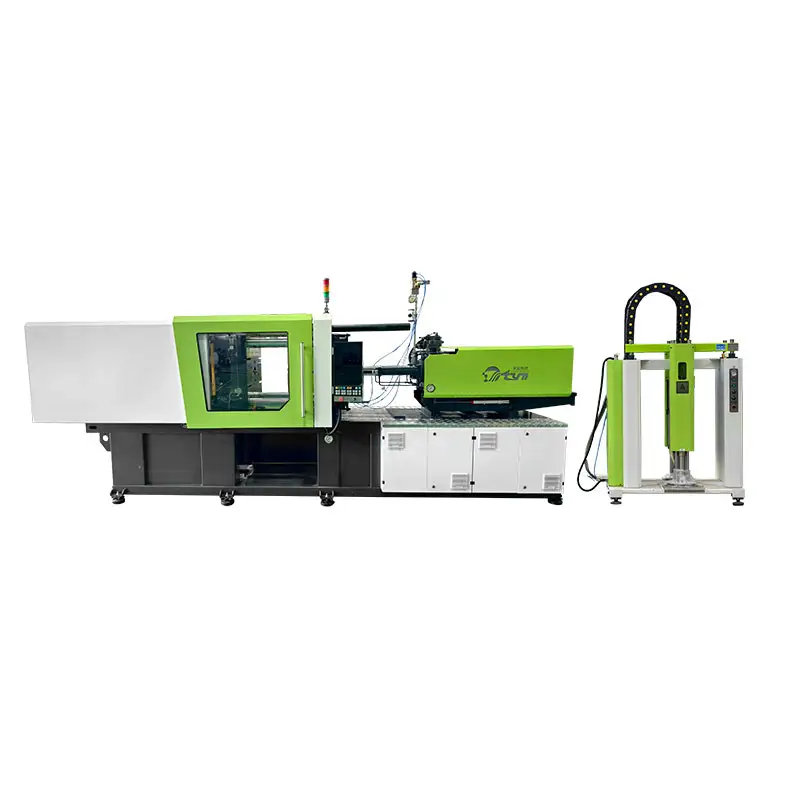
Direct pressure mold opening and closing system.It's more suitable for producing the LSR parts which can be automatically removed from the mold.
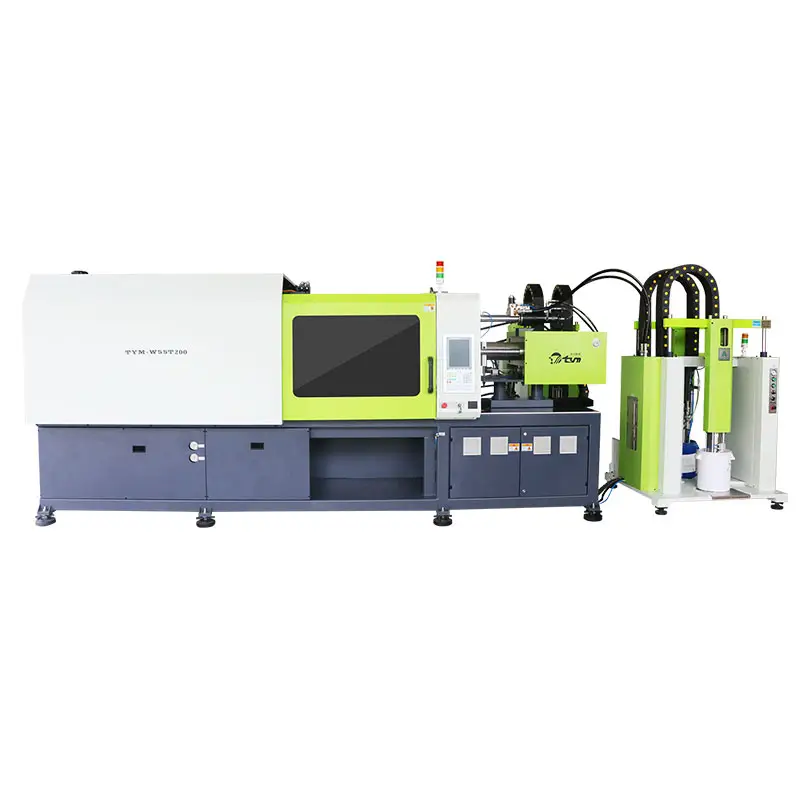
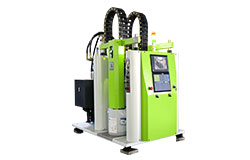
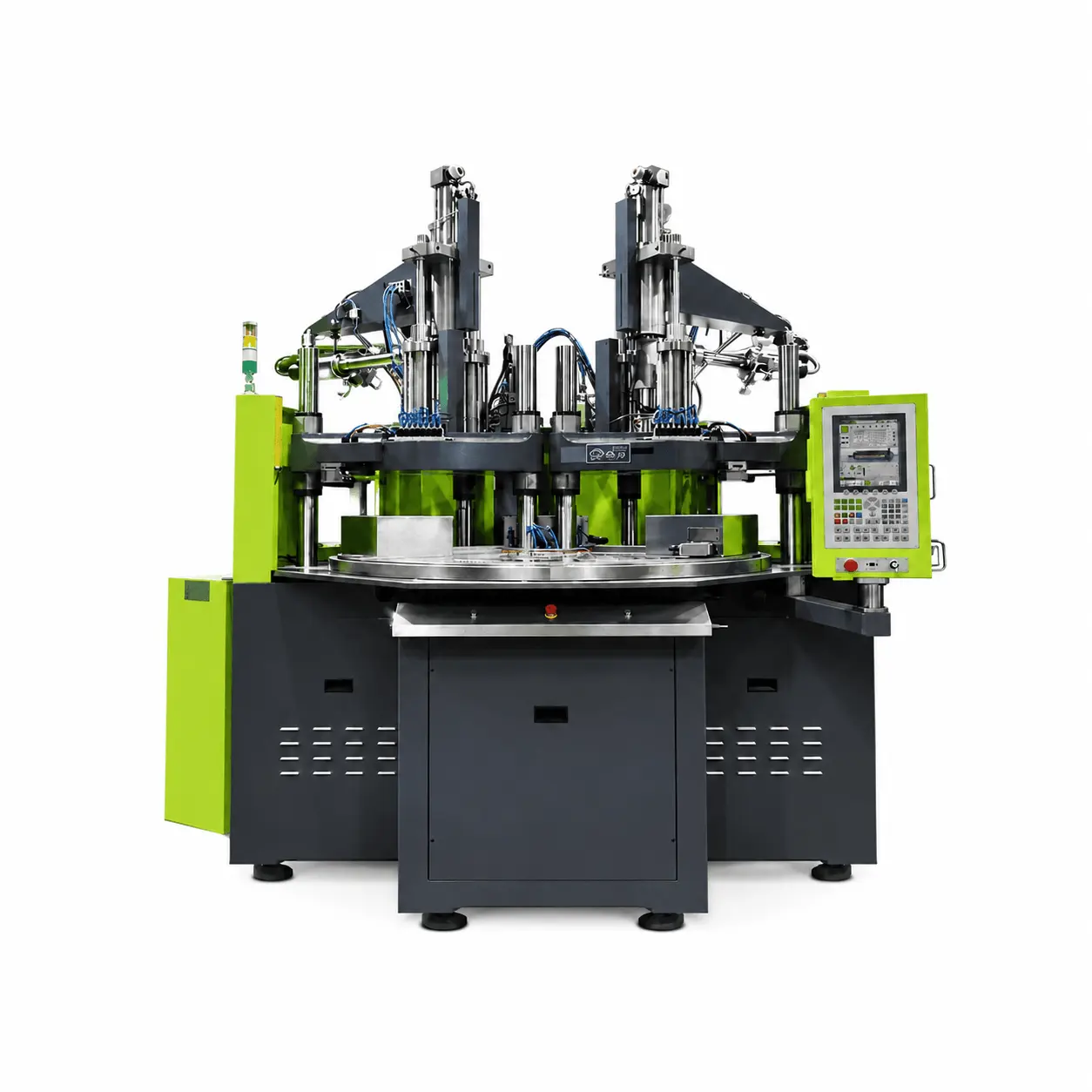
There are two injection units, two separate feed systems and color slurry addition systems. A unified system control panel can be used to achieve two different colors or hardness of liquid silicone. Formed in the machine at the same time, Suitable for the production of double color silicone products or double hardness silicone products.
Inquire About Our Latest Updates
Saw an interesting update or new technology in our news section? Leave us a message below for more detailed information, technical data, or event follow-ups.
Have a project in mind? Talk to our LSR experts and get a tailored turnkey solution.
Email: sales01@gdtym.com
WhatsApp/Phone: +86 18814115468
© 2026 TYM. All Rights Reserved.

Facebook
TikTok
TYM Silicone Machinery