
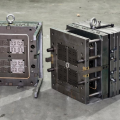
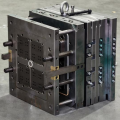
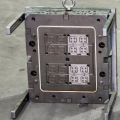
LSR Silicone Valve Injection Mold for Precision Flow Control Components
- Product Detail
| Mold information | |
|---|---|
| Mold core material | S136H |
| Mold base material | P20 |
| Number of cavity | 16 |
| Runner system | Cold Runner |
| Number of cold nozzle | 4 |
| Product name | Silicone Valve |
| Machine used | TYM-W5050 |
Details
Silicone valves are widely used as one-way or control valves in medical and fluid systems, effectively regulating liquid or air flow and preventing backflow or leakage.
Thanks to the excellent elasticity, chemical resistance, and biocompatibility of LSR, these valves can maintain stable performance under repeated compression and harsh environments.
This injection mold for silicone valve is specifically designed for high-precision valve structures such as umbrella valves and slit valves. Compared with traditional rubber processing, the silicone injection mold for valve components offers faster cycle times, higher consistency, and minimal flash.
The 16-cavity layout combined with a 4-nozzle cold runner system allows one nozzle to supply four products, significantly reducing tooling cost while ensuring balanced material distribution. This LSR valve mold for medical applications is ideal for large-scale production of valves used in medical devices, liquid dispensing systems, and food-grade applications.
In addition, the precision silicone valve injection tooling can be customized according to different valve designs, sizes, and functional requirements.
Mold Design and Key Technology
16-Cavity Cold Runner System
Ensures stable injection, consistent curing, and reduced material waste for the silicone injection mold for valve components.
4 Cold Nozzle Cost-Optimized Design
Each nozzle feeds four cavities, reducing mold complexity while maintaining balanced filling.
Medical-Grade Material Compatibility
Supports medical-grade LSR materials, enabling the injection mold for silicone valve to produce components suitable for medical and healthcare applications.
High-Precision Valve Structure Design
Supports complex geometries such as slit and umbrella valves with excellent sealing performance.
FAQs
Q1: Can this mold be used for medical applications?
A:Yes. When using medical-grade LSR materials, the molded valves can meet medical industry standards and are suitable for healthcare use.
Q2: What are the advantages of this injection mold for silicone valve?
A:It offers high productivity, reduced waste, and cost optimization through a multi-cavity cold runner system.
Q3: Can this silicone injection mold for valve components be customized?
A:Yes, the mold can be tailored to different valve designs, dimensions, and performance requirements.