
Recent Posts
-
![Meet TYM at K 2025 -The World’ s No.1 Trade Fair for Plastics and Rubber]() Meet TYM at K 2025 -The World’ s No.1 Trade Fair for Plastics and Rubber
Meet TYM at K 2025 -The World’ s No.1 Trade Fair for Plastics and RubberWelcome to the World’s No.1 Trade Fair for Plastics and Rubber -K 2025, taking place from October 8–15, 2025 at Messe Düsseldorf, Germany. As a professional LSR injection molding machine, mold, and robot solution provider, TYM Technology Co., Ltd. is proud to present our latest innovations at Booth 16E77.
09/23/2025
-
![The Role of Preventive Maintenance in Avoiding Unexpected Downtime]() The Role of Preventive Maintenance in Avoiding Unexpected Downtime
The Role of Preventive Maintenance in Avoiding Unexpected DowntimePreventive maintenance (PM) is the practice of regularly scheduled inspection, cleaning, adjustment, and replacement of machine components before they fail.
04/22/2026
-
![The Effect of Regrind Material Ratios on Processing Speed]() The Effect of Regrind Material Ratios on Processing Speed
The Effect of Regrind Material Ratios on Processing SpeedRegrind, or recycled sprues, runners, and rejected parts, is commonly reintroduced into the virgin material stream to reduce waste and material costs in injection molding.
04/22/2026
-
![How Pigment and Additive Masterbatches Affect Injection Speed]() How Pigment and Additive Masterbatches Affect Injection Speed
How Pigment and Additive Masterbatches Affect Injection SpeedPigments and additive masterbatches are commonly used in injection molding to achieve specific colors, properties, or functionalities in the final part.
04/22/2026
-
![How LSR Viscosity Impacts Injection Speed and Flow Dynamics]() How LSR Viscosity Impacts Injection Speed and Flow Dynamics
How LSR Viscosity Impacts Injection Speed and Flow DynamicsLiquid Silicone Rubber (LSR) viscosity is a fundamental material property that exerts a profound influence on injection speed and overall flow dynamics during the molding process.
04/22/2026
-
![How Robotic Automation Streamlines Post-Molding Operations]() How Robotic Automation Streamlines Post-Molding Operations
How Robotic Automation Streamlines Post-Molding OperationsRobotic automation plays a pivotal role in maximizing the speed benefits achieved during the injection molding cycle itself.
04/22/2026
-
![How Two-Shot Molding Sequences Impact Overall Cycle Time]() How Two-Shot Molding Sequences Impact Overall Cycle Time
How Two-Shot Molding Sequences Impact Overall Cycle TimeTwo-shot molding, also known as multi-shot or double-shot molding, involves injecting two different materials into a single mold to create a composite part in one automated process.
04/22/2026
-
![The Effect of Curing Temperature on LSR Cross-linking Speed]() The Effect of Curing Temperature on LSR Cross-linking Speed
The Effect of Curing Temperature on LSR Cross-linking SpeedThe curing of Liquid Silicone Rubber (LSR) is a chemical reaction, known as cross-linking, where polymer chains are linked together to form a solid elastomer.
04/22/2026
-
![Optimizing Holding Pressure Time to Reduce Overall Cycle Duration]() Optimizing Holding Pressure Time to Reduce Overall Cycle Duration
Optimizing Holding Pressure Time to Reduce Overall Cycle DurationHolding pressure is applied after the initial cavity filling to pack more material into the part and compensate for shrinkage as the material cools and solidifies.
04/22/2026
-
![The Impact of Injection-Compression Molding on Cycle Time]() The Impact of Injection-Compression Molding on Cycle Time
The Impact of Injection-Compression Molding on Cycle TimeInjection-compression molding (ICM) is an advanced technique that combines elements of traditional injection molding and compression molding.
04/22/2026


How Pigment and Additive Masterbatches Affect Injection Speed
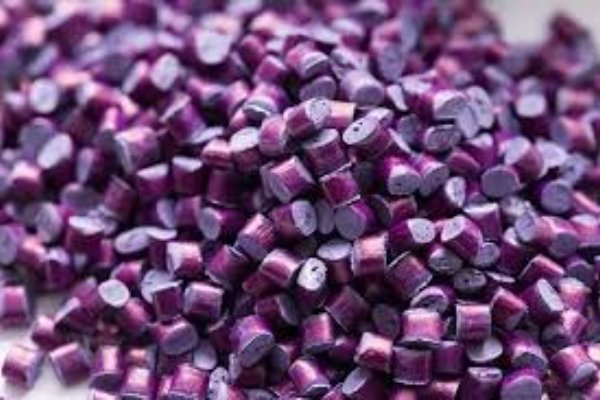
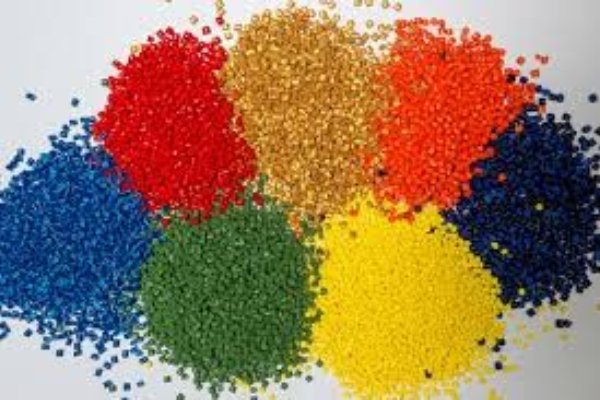
Pigments and additive masterbatches are commonly used in injection molding to achieve specific colors, properties, or functionalities in the final part. While these additives bring value, they can also subtly influence the processing speed. The primary way they affect speed is by altering the base resin's rheological properties, particularly its viscosity. Adding a masterbatch can increase the melt viscosity of the polymer, making it thicker and harder to pump. This increased resistance to flow requires higher injection pressures or longer fill times to achieve the same cavity fill, directly impacting the speed of the injection phase.
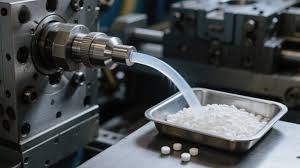
The type and concentration of the additive are key factors. High-loading masterbatches or those containing fibrous fillers (like glass or carbon fiber) have a more pronounced effect on viscosity than low-loading color concentrates. Some additives, like certain flame retardants, can also be abrasive, increasing wear on the screw and barrel, which might necessitate slower processing speeds to prevent equipment damage and maintain consistent performance over time. Understanding the specific impact of a given masterbatch is essential for process optimization.
Dispersion quality is another critical aspect. Poorly dispersed additives can create local variations in viscosity and flow behavior. This can lead to unpredictable filling patterns, requiring processors to adopt conservative speed settings to avoid defects. Ensuring good mixing in the hopper and using appropriate screw designs to promote dispersion helps mitigate this issue, allowing for more consistent and potentially faster processing even with additives present.
Compensating for the effects of masterbatches on speed often involves adjusting other process parameters. Increasing barrel temperature can help offset increased viscosity. Optimizing back pressure can improve mixing and homogenize the melt. In some cases, switching to a material grade with a slightly higher Melt Flow Rate (MFR) as the base resin can counteract the viscosity increase from the additive. By carefully evaluating and adjusting the process in response to the presence of masterbatches, manufacturers can maintain efficient production speeds without compromising part quality.