
Recent Posts
-
![Meet TYM at K 2025 -The World’ s No.1 Trade Fair for Plastics and Rubber]() Meet TYM at K 2025 -The World’ s No.1 Trade Fair for Plastics and Rubber
Meet TYM at K 2025 -The World’ s No.1 Trade Fair for Plastics and RubberWelcome to the World’s No.1 Trade Fair for Plastics and Rubber -K 2025, taking place from October 8–15, 2025 at Messe Düsseldorf, Germany. As a professional LSR injection molding machine, mold, and robot solution provider, TYM Technology Co., Ltd. is proud to present our latest innovations at Booth 16E77.
09/23/2025
-
![Maximizing Throughput with Advanced Injection Unit Designs]() Maximizing Throughput with Advanced Injection Unit Designs
Maximizing Throughput with Advanced Injection Unit DesignsMaximizing throughput with advanced injection unit designs focuses on speed and precision synergistically.
04/25/2026
-
![Streamlining Material Preparation and Feeding for LSR Molding]() Streamlining Material Preparation and Feeding for LSR Molding
Streamlining Material Preparation and Feeding for LSR MoldingStreamlining material preparation and feeding for LSR molding requires integrated system thinking comprehensively.
04/25/2026
-
![Innovations in Clamping Unit Technology for Enhanced Productivity]() Innovations in Clamping Unit Technology for Enhanced Productivity
Innovations in Clamping Unit Technology for Enhanced ProductivityInnovations in clamping unit technology for enhanced productivity focus on speed, accuracy, and reliability synergistically. Hydraulic actuators generate required tonnage ratings reliably.
04/25/2026
-
![The Integration of Smart Sensors for Predictive Maintenance in Molding Machines]() The Integration of Smart Sensors for Predictive Maintenance in Molding Machines
The Integration of Smart Sensors for Predictive Maintenance in Molding MachinesThe integration of smart sensors for predictive maintenance in molding machines transforms reactive repairs into proactive strategies fundamentally.
04/25/2026
-
![Reducing Operational Costs Through Energy-Efficient Machine Calibrations]() Reducing Operational Costs Through Energy-Efficient Machine Calibrations
Reducing Operational Costs Through Energy-Efficient Machine CalibrationsReducing operational costs through energy-efficient machine calibrations requires systematic optimization approaches comprehensively.
04/25/2026
-
![Troubleshooting Common Challenges in LSR Injection Molding]() Troubleshooting Common Challenges in LSR Injection Molding
Troubleshooting Common Challenges in LSR Injection MoldingTroubleshooting common challenges in LSR injection molding requires systematic diagnostic approaches logically. Analyzing error codes narrows problem sources efficiently.
04/25/2026
-
![Ensuring Operator Safety Through Advanced Machine Guarding and Controls]() Ensuring Operator Safety Through Advanced Machine Guarding and Controls
Ensuring Operator Safety Through Advanced Machine Guarding and ControlsEnsuring operator safety through advanced machine guarding and controls requires comprehensive risk assessment methodologies systematically.
04/25/2026
-
![The Critical Role of Temperature Control in Liquid Silicone Rubber Machinery]() The Critical Role of Temperature Control in Liquid Silicone Rubber Machinery
The Critical Role of Temperature Control in Liquid Silicone Rubber MachineryTemperature control governs successful liquid silicone rubber processing outcomes fundamentally. Material viscosity varies exponentially with temperature changes dramatically.
04/25/2026
-
![The Evolution of User-Friendly Interfaces in Modern Silicone Molding Equipment]() The Evolution of User-Friendly Interfaces in Modern Silicone Molding Equipment
The Evolution of User-Friendly Interfaces in Modern Silicone Molding EquipmentThe evolution of user-friendly interfaces in modern silicone molding equipment reflects growing emphasis on human-centered design philosophies fundamentally. Touchscreen displays present information intuitively simplifying navigation effortlessly.
04/25/2026


Innovations in Clamping Unit Technology for Enhanced Productivity
Innovations in clamping unit technology for enhanced productivity focus on speed, accuracy, and reliability synergistically. Hydraulic actuators generate required tonnage ratings reliably. Linear guides ensure accurate alignment between moving platens precisely. Pressure sensors monitor clamp force continuously preventing flash formation effectively. Quick-change mechanisms reduce setup times between production runs economically. Cooling channels within platens regulate mold temperatures efficiently. Advanced controllers adjust clamping parameters automatically based on real-time feedback data collected during operations.
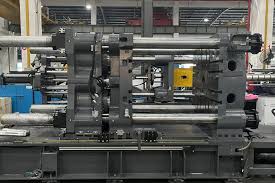
Mechanical toggle systems provide rapid opening/closing motions efficiently. Ball screw drives offer precise position control accurately. Servo-hydraulic combinations blend speed with accuracy effectively. Pre-stressing mechanisms eliminate backlash ensuring repeatability consistently. Energy recuperation systems capture kinetic energy reducing consumption noticeably. Smart clamping algorithms optimize force distribution preventing over-clamping damage adequately. These technological advances enhance productivity while reducing operational costs substantially.
Structural design considerations influence clamping unit performance critically. Finite element analysis optimizes frame geometry maximizing stiffness adequately. High-strength alloys withstand tremendous forces repeatedly. Precision-ground plates ensure consistent parallelism reliably. Anti-wear coatings extend component lifespans durably. Lubrication systems minimize friction losses efficiently. Thermal compensation mechanisms maintain accuracy despite temperature variations steadily. These design features ensure reliable operation under demanding conditions persistently.
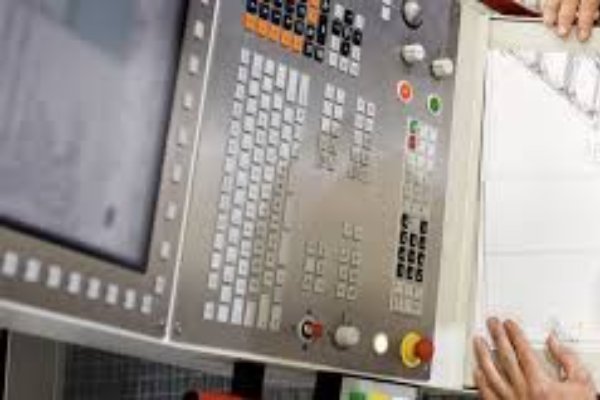
Control system integration orchestrates complex clamping sequences seamlessly. Programmable Logic Controllers execute predetermined recipes automatically. Human-Machine Interfaces allow operators to input job parameters easily. Data logging capabilities capture historical performance trends over extended periods. Alarm notifications alert personnel immediately upon detecting anomalies. Remote access features enable troubleshooting without physical presence onsite. These intelligent controls enhance operational efficiency while reducing downtime substantially.