
Recent Posts
-
![Meet TYM at K 2025 -The World’ s No.1 Trade Fair for Plastics and Rubber]() Meet TYM at K 2025 -The World’ s No.1 Trade Fair for Plastics and Rubber
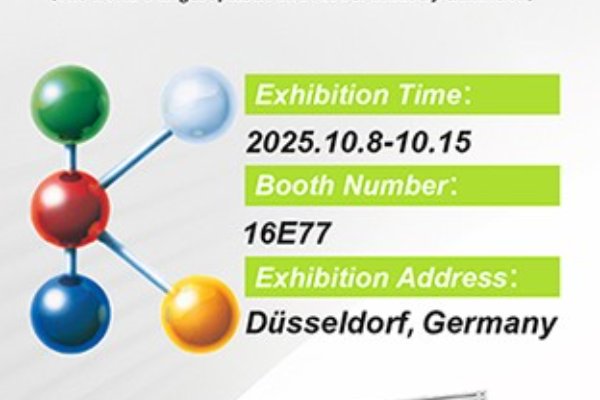
Meet TYM at K 2025 -The World’ s No.1 Trade Fair for Plastics and RubberWelcome to the World’s No.1 Trade Fair for Plastics and Rubber -K 2025, taking place from October 8–15, 2025 at Messe Düsseldorf, Germany. As a professional LSR injection molding machine, mold, and robot solution provider, TYM Technology Co., Ltd. is proud to present our latest innovations at Booth 16E77.
09/23/2025
-
![Smart Automation in Silicone Manufacturing: Improving Consistency and Reducing Labor Costs]() Smart Automation in Silicone Manufacturing: Improving Consistency and Reducing Labor Costs
Smart Automation in Silicone Manufacturing: Improving Consistency and Reducing Labor CostsLabor shortages, rising wage costs, and increasing quality expectations are pushing silicone product manufacturers toward greater automation. For liquid silicone rubber (LSR) production specifically, automation is not just about reducing headcount — it directly impacts part consistency, contamination control, and overall production efficiency.
06/12/2026
-
![Shot Size Accuracy in LSR Molding: The Hidden Factor Behind Product Quality]() Shot Size Accuracy in LSR Molding: The Hidden Factor Behind Product Quality
Shot Size Accuracy in LSR Molding: The Hidden Factor Behind Product QualityPrecision is the cornerstone of liquid silicone rubber manufacturing. Yet many manufacturers overlook one critical parameter that determines product consistency: shot size accuracy.
06/10/2026
-
![how to Optimize LSR Injection Molding Machine Performance Through Predictive Maintenance]() how to Optimize LSR Injection Molding Machine Performance Through Predictive Maintenance
how to Optimize LSR Injection Molding Machine Performance Through Predictive MaintenanceIn the competitive landscape of liquid silicone rubber manufacturing, machine downtime can cost manufacturers thousands of dollars per hour.
06/10/2026
-
![How Automated Material Feeding Improves LSR Manufacturing Efficiency]() How Automated Material Feeding Improves LSR Manufacturing Efficiency
How Automated Material Feeding Improves LSR Manufacturing EfficiencyAs labor costs continue to rise and quality requirements become stricter, manufacturers are increasingly adopting automated material feeding systems in liquid silicone rubber production.
06/09/2026
-
![How Does Vacuum Assistance Improve LSR Injection Molding Quality?]() How Does Vacuum Assistance Improve LSR Injection Molding Quality?
How Does Vacuum Assistance Improve LSR Injection Molding Quality?In liquid silicone rubber (LSR) manufacturing, product quality is heavily influenced by how effectively air is removed from the mold cavity. Trapped air can lead to bubbles, incomplete filling, surface defects, and reduced product consistency.
06/08/2026
-
![Why Is Shot Size Accuracy Important in Liquid Silicone Rubber Molding?]() Why Is Shot Size Accuracy Important in Liquid Silicone Rubber Molding?
Why Is Shot Size Accuracy Important in Liquid Silicone Rubber Molding?Precision is one of the key advantages of liquid silicone rubber molding. However, achieving consistent product quality depends heavily on accurate shot size control.
06/08/2026
-
![How Clamp Force Selection Affects LSR Injection Molding Performance]() How Clamp Force Selection Affects LSR Injection Molding Performance
How Clamp Force Selection Affects LSR Injection Molding PerformanceClamping force is one of the most fundamental parameters in liquid silicone rubber injection molding. While many manufacturers focus heavily on injection pressure, metering accuracy, and mold design, the selection of proper clamp force directly influences product quality, mold lifespan, process stability, and overall production efficiency.
06/03/2026
-
![How Closed-Loop Injection Control Improves LSR Molding Stability]() How Closed-Loop Injection Control Improves LSR Molding Stability
How Closed-Loop Injection Control Improves LSR Molding StabilityAdvanced manufacturing systems are now integrating digital monitoring, servo-driven motion control, and intelligent process optimization to reduce variability during molding cycles.
05/29/2026
-
![Energy Consumption Optimization in Modern LSR Injection Molding Machines]() Energy Consumption Optimization in Modern LSR Injection Molding Machines
Energy Consumption Optimization in Modern LSR Injection Molding MachinesAs manufacturing industries move toward sustainable and cost-efficient production models, energy optimization has become an increasingly important factor in liquid silicone rubber injection molding.
05/28/2026
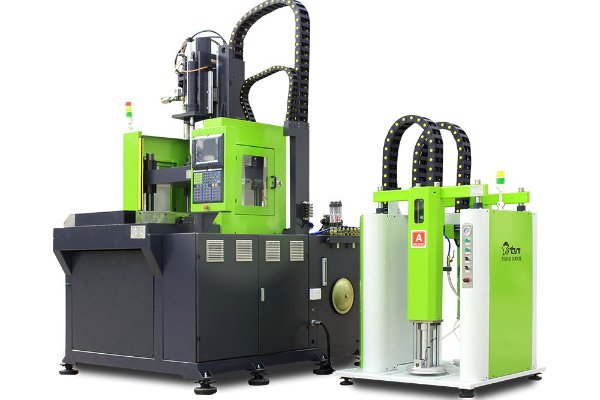
LSR Material Recycling and Sustainable Development Trends
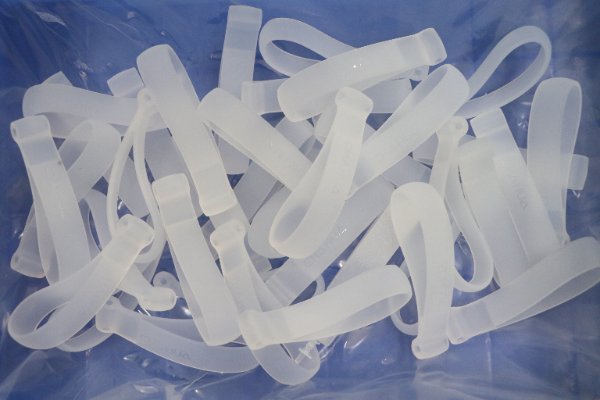
Environmental responsibility drives innovation in liquid silicone rubber recycling technologies and sustainable manufacturing practices. Traditional LSR materials were considered non-recyclable due to crosslinked polymer structure, but emerging technologies enable recovery of useful materials through chemical depolymerization, mechanical grinding, and energy recovery processes. These developments support circular economy principles while reducing environmental impact of LSR manufacturing operations.
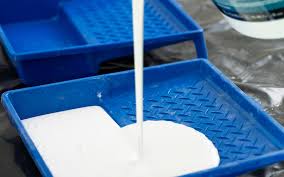
Chemical recycling methods break silicone-oxygen backbone structures to recover reusable oligomers and monomers through hydrolysis or alcoholysis reactions. Mechanical recycling grinds cured LSR waste into fine powders suitable for use as functional fillers in new rubber compounds. Energy recovery processes utilize LSR waste as fuel supplement in cement kilns or industrial furnaces where high-temperature decomposition generates useful heat energy.
Sustainable manufacturing initiatives include renewable energy adoption, water recycling systems, and waste minimization programs that reduce overall environmental footprint. Process optimization reduces material consumption while maintaining product quality through improved mold design, parameter optimization, and quality control systems that minimize scrap generation. Supply chain sustainability emphasizes local sourcing, green transportation, and supplier environmental compliance.
Future development directions include bio-based raw material incorporation, carbon-neutral production processes, and closed-loop recycling systems that eliminate waste generation entirely. Regulatory frameworks increasingly mandate environmental reporting, carbon footprint reduction, and extended producer responsibility programs that incentivize sustainable practices. These trends position environmentally responsible LSR manufacturers as preferred suppliers in markets demanding sustainable solutions.