
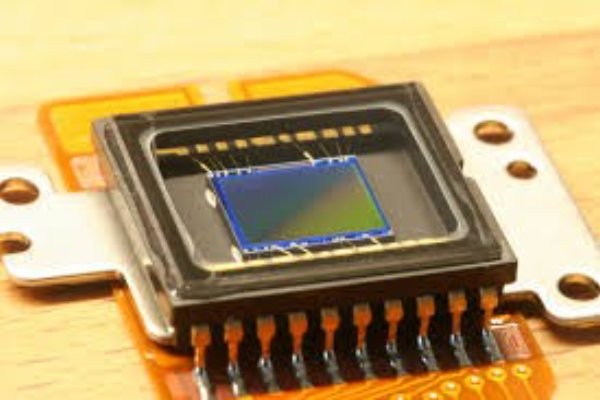
The Integration of Smart Sensors for Predictive Maintenance in Molding Machines
The integration of smart sensors for predictive maintenance in molding machines transforms reactive repairs into proactive strategies fundamentally.
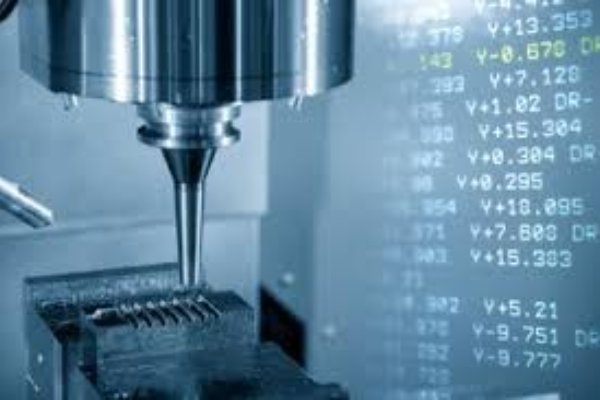
Troubleshooting Common Challenges in LSR Injection Molding
Troubleshooting common challenges in LSR injection molding requires systematic diagnostic approaches logically. Analyzing error codes narrows problem sources efficiently.
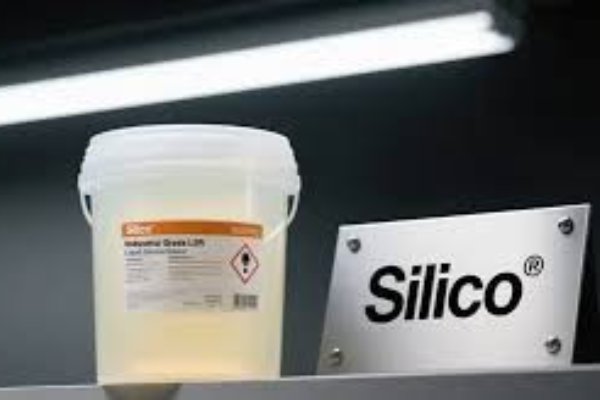
Food-Grade LSR Products Manufacturing and Safety Standards
Food-grade LSR products manufacturing adheres to strict safety standards ensuring consumer protection comprehensively.

Future Trends in Liquid Silicone Rubber LSR Technology
Future trends in liquid silicone rubber (LSR) technology point toward increased sophistication and specialization predominantly. Smart materials development enables self-healing or adaptive properties innovatively.
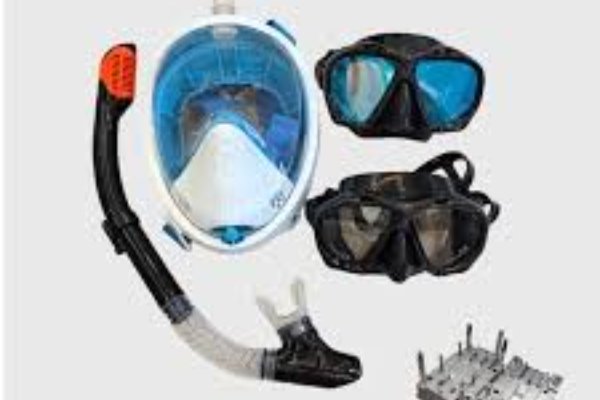
Innovations in Diving Equipment Using LSR Injection Molding
Innovations in diving equipment using LSR injection molding revolutionize underwater performance significantly. Sealing components utilize LSR's compression set resistance maintaining watertight integrity reliably.
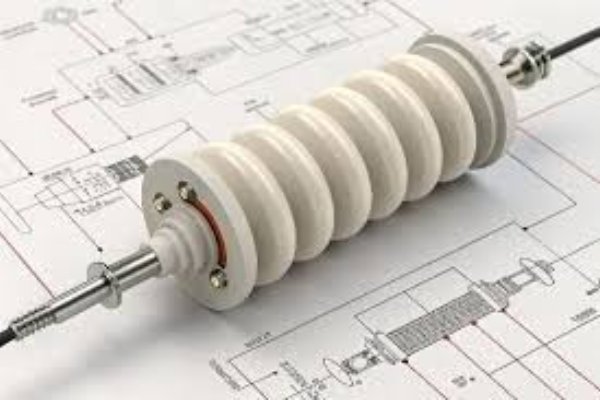
Insulator Industry Applications of Liquid Silicone Rubber
Insulator industry applications of liquid silicone rubber exploit its exceptional dielectric properties predominantly. Electrical insulation components utilize LSR's high resistivity preventing current leakage effectively.
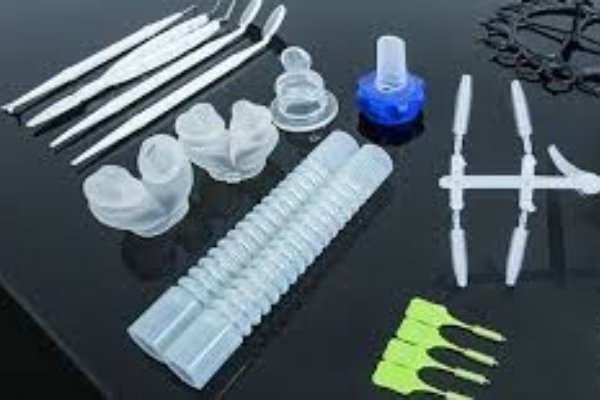
Medical Industry Applications of Liquid Silicone Rubber LSR
Medical industry applications of liquid silicone rubber (LSR) leverage its biocompatibility and sterilizability uniquely. Implantable devices utilize LSR's tissue compatibility ensuring long-term safety reliably.
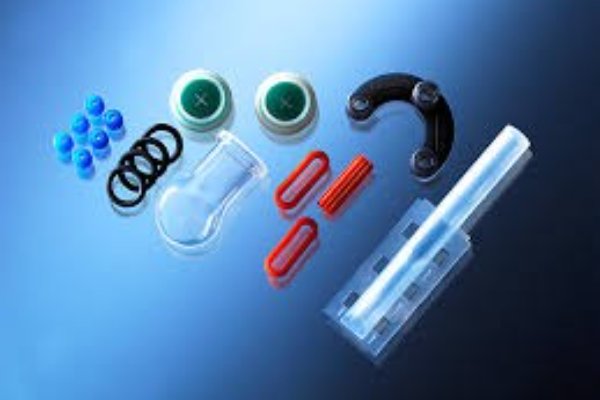
Personalized Solutions Adapting LSR Equipment to Unique Needs
Personalized solutions adapting LSR equipment to unique needs distinguish TYM's customer-centric approach significantly. Engineering teams conduct thorough requirement analyses understanding specific applications deeply.
Quality Control Standards in LSR Injection Molding Production
Quality control standards in LSR injection molding production adhere to internationally recognized frameworks rigorously. ISO 9001 certification validates our commitment to consistent quality management systematically.
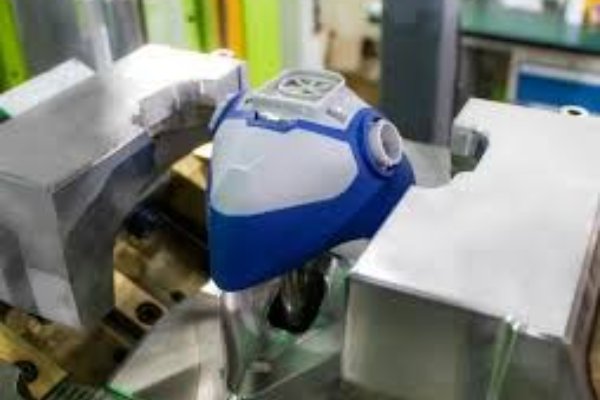
The Core Technologies Behind TYM's LSR Machinery Excellence
TYM's LSR machinery excellence stems from mastery of core technologies driving industry innovation forward. Precision metering systems ensure exact material ratios preventing waste generation effectively.
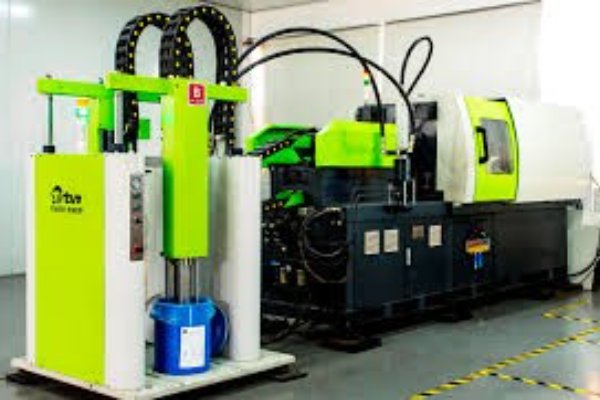
TYMs Turnkey Solutions for LSR Injection Molding Projects
TYM offers comprehensive turnkey solutions for LSR injection molding projects, covering every aspect from initial concept to final production.
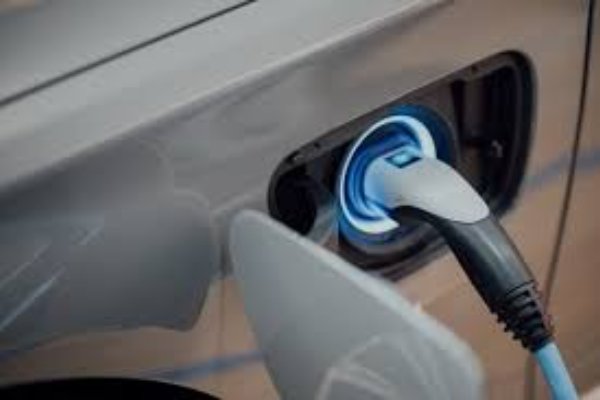
Innovative Applications of Silicone in EV Charging Ports
The global shift towards electric vehicles (EVs) places immense demands on charging infrastructure, particularly the components that ensure safe and reliable power transfer.

Ergonomic Design Trends in Silicone Swimming Fins
Swimming fins have evolved far beyond simple rubber flaps, with silicone leading the charge in innovative ergonomic design.

Protective Solutions: Silicone Keyboard Covers Explored
In our increasingly digital world, keyboards are ubiquitous yet vulnerable to spills, dust, and wear. Silicone keyboard covers have emerged as a simple yet effective solution to protect these essential input devices.
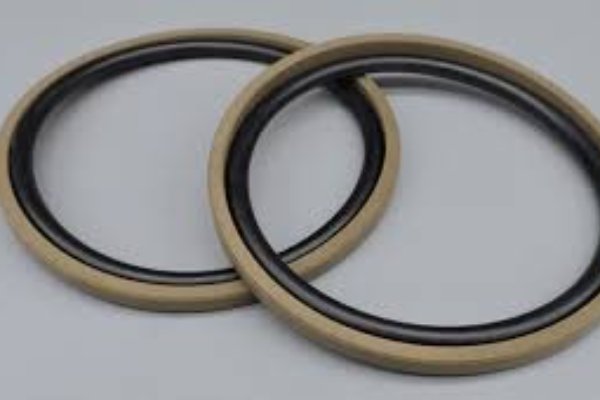
Advancements in Silicone Seals for New Energy Vehicles
New energy vehicles (NEVs), encompassing electric and hybrid cars, present unique challenges for sealing solutions that traditional automotive seals are ill-equipped to handle.