
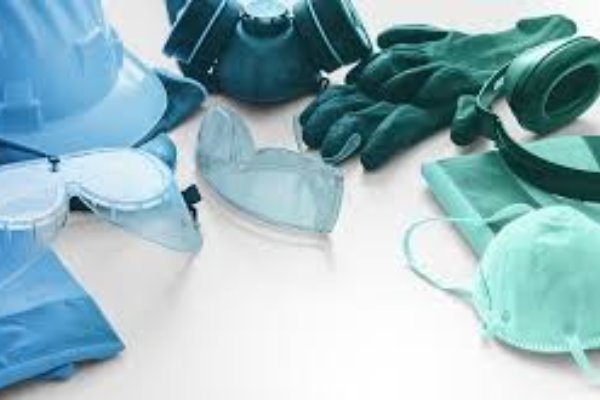
Injection Molding Differences for Various Specifications of Labor Protection Masks
Injection molding for labor protection masks varies significantly depending on their specifications, primarily concerning filter integration, seal design, and intended hazard level.
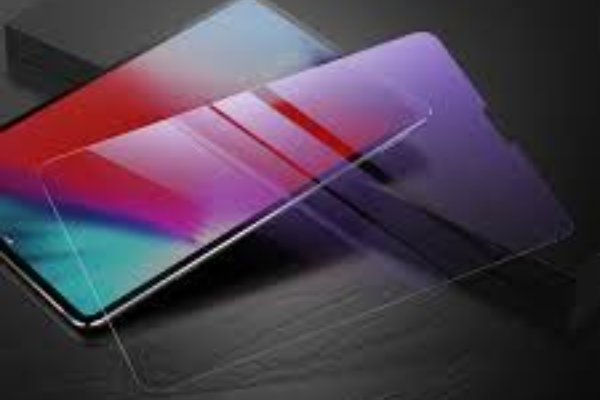
Side Injection Molding for Smartphone Tempered Glass Screen Protectors
Side injection molding is a specialized technique used to apply a thin layer of Liquid Silicone Rubber (LSR) along the edges of smartphone tempered glass screen protectors.
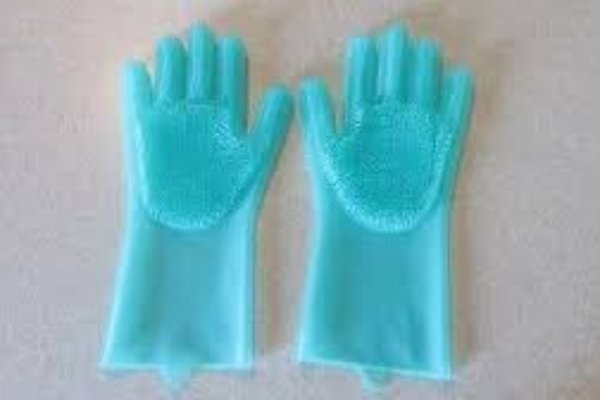
The Advantages of LSR Gloves Compared to Other Materials
Liquid Silicone Rubber (LSR) gloves offer distinct advantages over traditional glove materials like latex, nitrile, or vinyl, particularly in specialized applications.
Nose Pad Applications of LSR in Protective Goggles and Face Shields
Liquid Silicone Rubber (LSR) is widely used for nose pads in protective goggles and face shields due to its unique combination of comfort, durability, and hygiene. Positioned directly on the bridge of the nose, these pads bear constant pressure during wear.
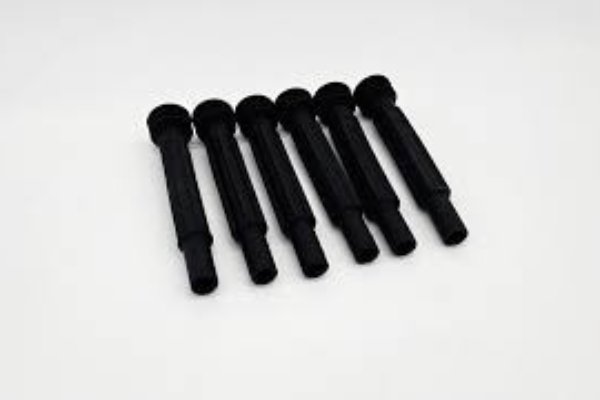
Aircraft Ignition Coil Boots: The Reliability of LSR in Aerospace
Aircraft ignition coil boots represent a mission-critical application where the reliability of Liquid Silicone Rubber (LSR) is paramount.
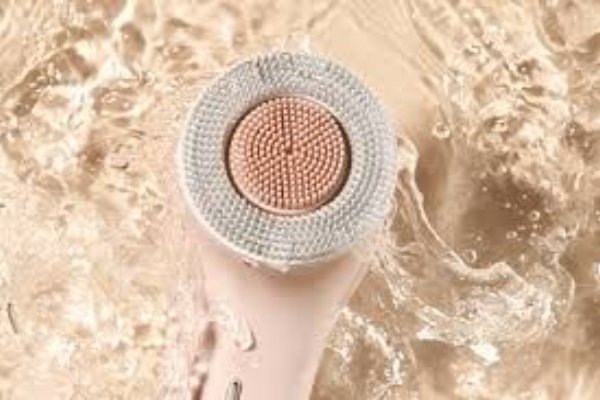
Facial Cleansing Brush Heads: The Hygiene Advantage of LSR
Facial cleansing brush heads benefit immensely from the hygiene advantages offered by Liquid Silicone Rubber (LSR).
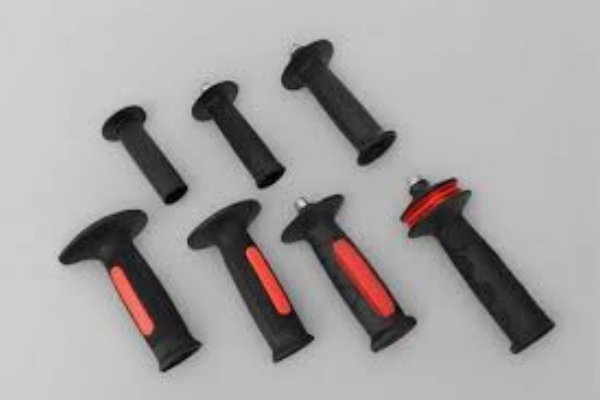
Power Tool Handle Overmolding: Enhancing Grip with LSR
Power tool handle overmolding with Liquid Silicone Rubber (LSR) significantly enhances user grip, comfort, and overall tool control, especially in demanding conditions.
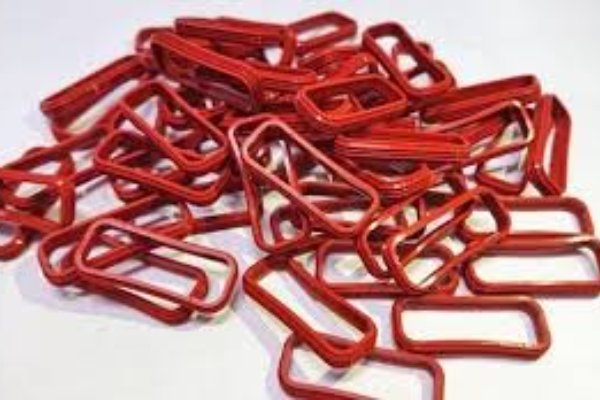
Ensuring Long-Term Durability of LSR Seals in Harsh Environments
Ensuring the long-term durability of Liquid Silicone Rubber (LSR) seals in harsh environments hinges on understanding and mitigating the effects of extreme conditions.
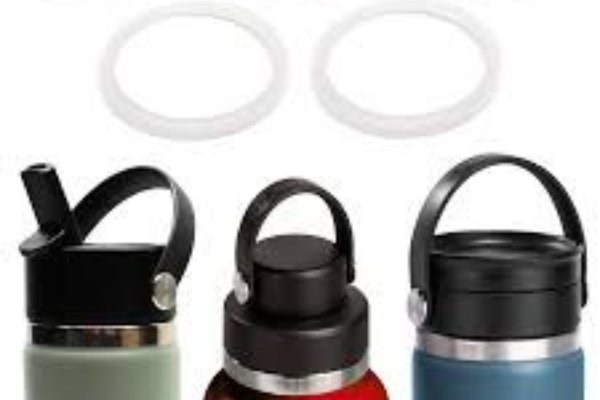
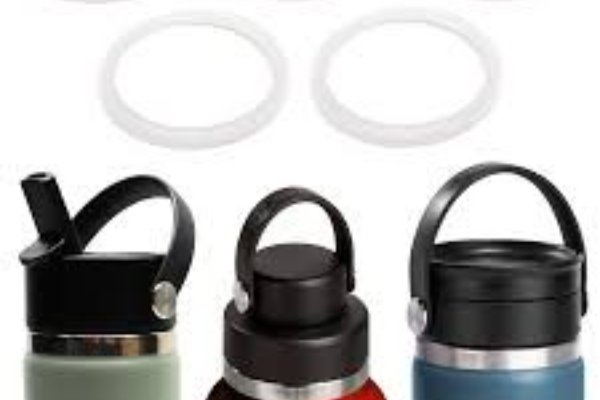
Water Bottle Sealing Rings: The Perfect Application of LSR
Water bottle sealing rings exemplify the ideal application for Liquid Silicone Rubber (LSR) due to its exceptional sealing capabilities and food-safe properties.
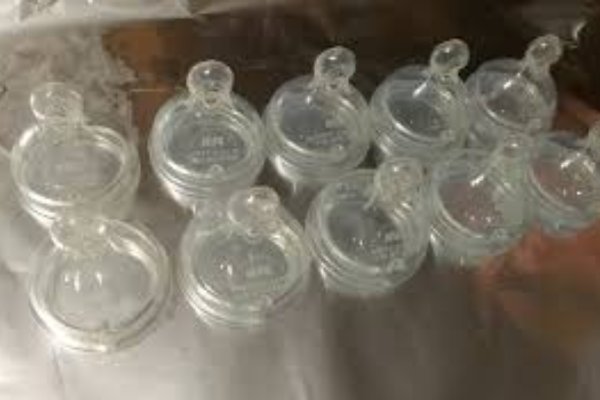
Anti-Colic Silicone Baby Nipples: Precision Molding for Infant Health
Colic affects up to 20% of newborns, causing distress for both infants and parents. Anti-colic silicone baby nipples represent a scientifically-backed intervention designed to reduce swallowed air during feeding.
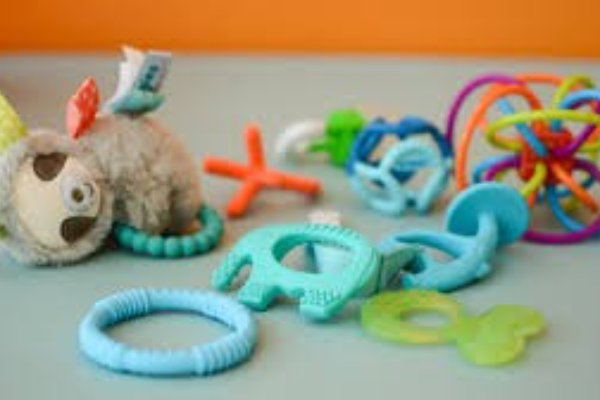
Baby Teething Toys: Safe and Durable LSR Molding Solutions
Teething discomfort affects nearly all infants between four and twelve months old, manifesting as irritability, drooling, and chewing urges.
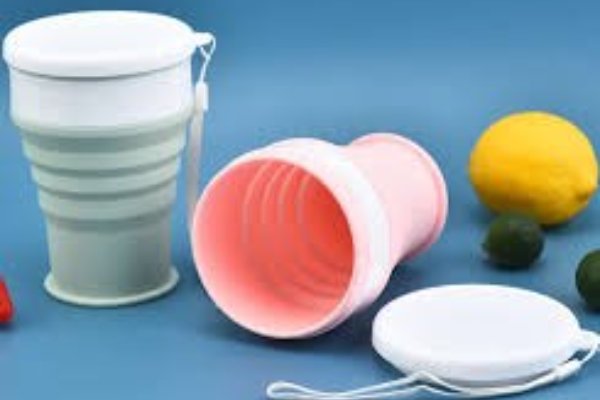
Collapsible Silicone Travel Cups: Space-Saving Design through Advanced LSR Molding
Travelers constantly seek ways to lighten luggage without sacrificing convenience or hydration quality. Collapsible silicone travel cups answer this call by collapsing flat when empty, occupying minimal space in backpacks or carry-on bags.

Flexible Silicone Phone Cases: Impact Protection with Precision LSR Molding
Smartphones have become indispensable extensions of modern life, warranting robust protection against inevitable bumps and drops.
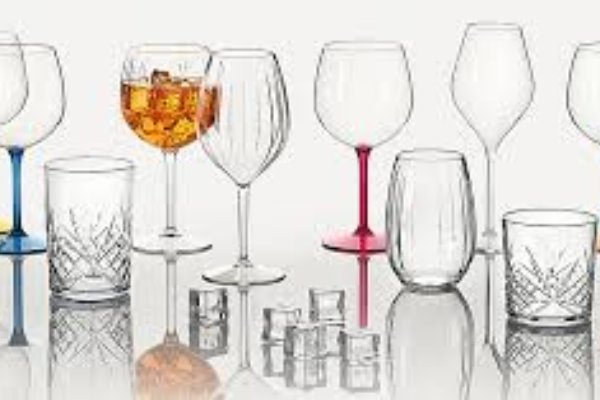
Glass Tumbler Overmolding: Combining Borosilicate Glass with Food-Grade Silicone
Traditional glass drinkware faces limitations in durability and user experience, prompting innovative hybrid approaches.
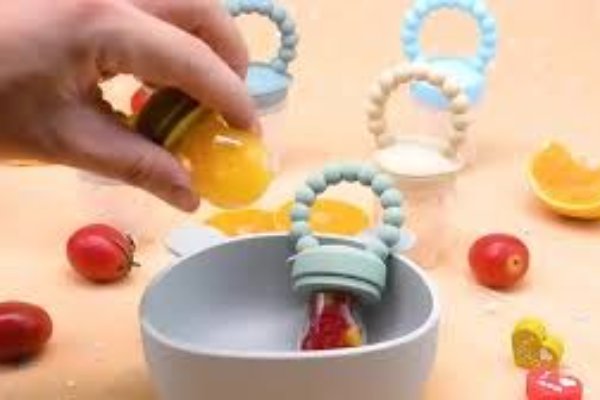
Nipple Fruit Feeder: Innovative Silicone Molding for Safe Baby Weaning
Introducing solid foods to infants is a significant milestone, and safety is paramount during this stage. The nipple fruit feeder represents a revolutionary solution, crafted entirely from food-grade liquid silicone rubber (LSR).