
Recent Posts
-
![Meet TYM at K 2025 -The World’ s No.1 Trade Fair for Plastics and Rubber]() Meet TYM at K 2025 -The World’ s No.1 Trade Fair for Plastics and Rubber
Meet TYM at K 2025 -The World’ s No.1 Trade Fair for Plastics and RubberWelcome to the World’s No.1 Trade Fair for Plastics and Rubber -K 2025, taking place from October 8–15, 2025 at Messe Düsseldorf, Germany. As a professional LSR injection molding machine, mold, and robot solution provider, TYM Technology Co., Ltd. is proud to present our latest innovations at Booth 16E77.
09/23/2025
-
![How Automated Material Feeding Improves LSR Manufacturing Efficiency]() How Automated Material Feeding Improves LSR Manufacturing Efficiency
How Automated Material Feeding Improves LSR Manufacturing EfficiencyAs labor costs continue to rise and quality requirements become stricter, manufacturers are increasingly adopting automated material feeding systems in liquid silicone rubber production.
06/09/2026
-
![How Does Vacuum Assistance Improve LSR Injection Molding Quality?]() How Does Vacuum Assistance Improve LSR Injection Molding Quality?
How Does Vacuum Assistance Improve LSR Injection Molding Quality?In liquid silicone rubber (LSR) manufacturing, product quality is heavily influenced by how effectively air is removed from the mold cavity. Trapped air can lead to bubbles, incomplete filling, surface defects, and reduced product consistency.
06/08/2026
-
![Why Is Shot Size Accuracy Important in Liquid Silicone Rubber Molding?]() Why Is Shot Size Accuracy Important in Liquid Silicone Rubber Molding?
Why Is Shot Size Accuracy Important in Liquid Silicone Rubber Molding?Precision is one of the key advantages of liquid silicone rubber molding. However, achieving consistent product quality depends heavily on accurate shot size control.
06/08/2026
-
![How Clamp Force Selection Affects LSR Injection Molding Performance]() How Clamp Force Selection Affects LSR Injection Molding Performance
How Clamp Force Selection Affects LSR Injection Molding PerformanceClamping force is one of the most fundamental parameters in liquid silicone rubber injection molding. While many manufacturers focus heavily on injection pressure, metering accuracy, and mold design, the selection of proper clamp force directly influences product quality, mold lifespan, process stability, and overall production efficiency.
06/03/2026
-
![How Closed-Loop Injection Control Improves LSR Molding Stability]() How Closed-Loop Injection Control Improves LSR Molding Stability
How Closed-Loop Injection Control Improves LSR Molding StabilityAdvanced manufacturing systems are now integrating digital monitoring, servo-driven motion control, and intelligent process optimization to reduce variability during molding cycles.
05/29/2026
-
![Energy Consumption Optimization in Modern LSR Injection Molding Machines]() Energy Consumption Optimization in Modern LSR Injection Molding Machines
Energy Consumption Optimization in Modern LSR Injection Molding MachinesAs manufacturing industries move toward sustainable and cost-efficient production models, energy optimization has become an increasingly important factor in liquid silicone rubber injection molding.
05/28/2026
-
![LSR Injection Machine Guide: How Proper Maintenance Extends Injection Machine Lifespan]() LSR Injection Machine Guide: How Proper Maintenance Extends Injection Machine Lifespan
LSR Injection Machine Guide: How Proper Maintenance Extends Injection Machine LifespanLiquid silicone rubber injection molding machines operate under highly specialized production conditions that require long-term precision, thermal stability, and continuous mechanical reliability.
05/19/2026
-
![What Are the Advantages of Integrated Horizontal Injection Molding Machines?]() What Are the Advantages of Integrated Horizontal Injection Molding Machines?
What Are the Advantages of Integrated Horizontal Injection Molding Machines?Integrated horizontal injection molding machines have become increasingly important in modern liquid silicone rubber manufacturing due to their ability to combine automation, precision, and production efficiency into a single system architecture.
05/18/2026
-
![High-Precision Liquid Silicone Rubber Injection Molding: How to Achieve Micron-Level Tolerance Control]() High-Precision Liquid Silicone Rubber Injection Molding: How to Achieve Micron-Level Tolerance Control
High-Precision Liquid Silicone Rubber Injection Molding: How to Achieve Micron-Level Tolerance ControlAs medical devices, wearable electronics, automotive sealing systems, and micro silicone components continue evolving toward miniaturization and precision manufacturing, micron-level dimensional control has become increasingly important in Liquid Silicone Rubber injection molding.
05/15/2026

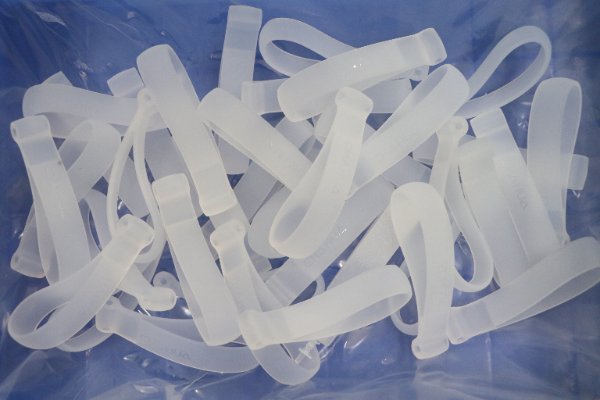
Case Study: Line Upgrade Success Story – Doubling Output for Labor Protection Face Vent Valves
Increasing production capacity is a common goal, but doing so efficiently and sustainably is the true measure of a successful upgrade. This case study showcases how a comprehensive line modernization project doubled output for labor protection face vent valves while improving overall equipment effectiveness.
A manufacturer of essential labor protection face vent valves faced a significant challenge: meeting a sudden surge in demand while operating at maximum capacity on aging equipment. Simply adding a second shift was not enough; a fundamental line upgrade was required to double output without compromising quality or worker safety. TYM partnered with the client to engineer a transformative solution.
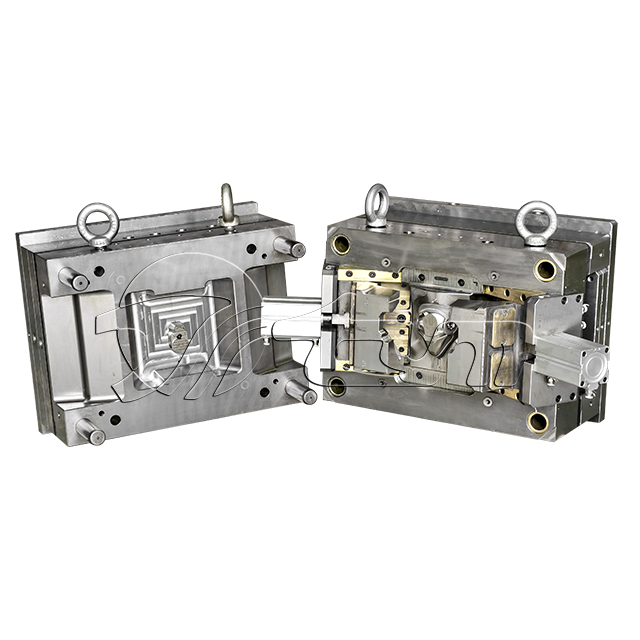
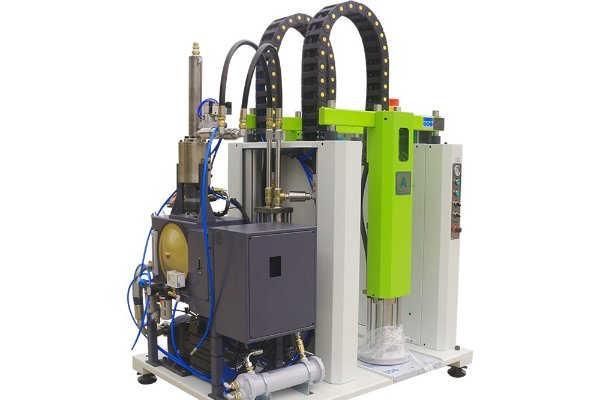
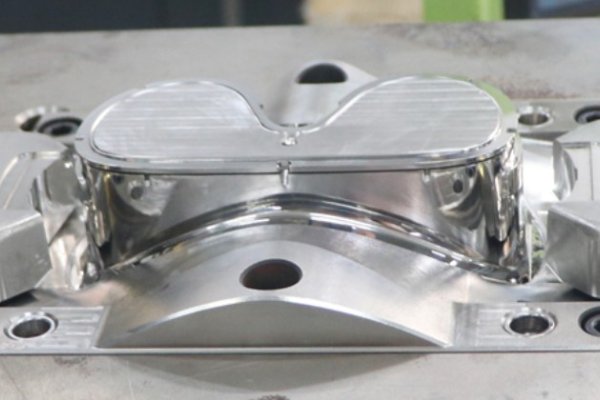
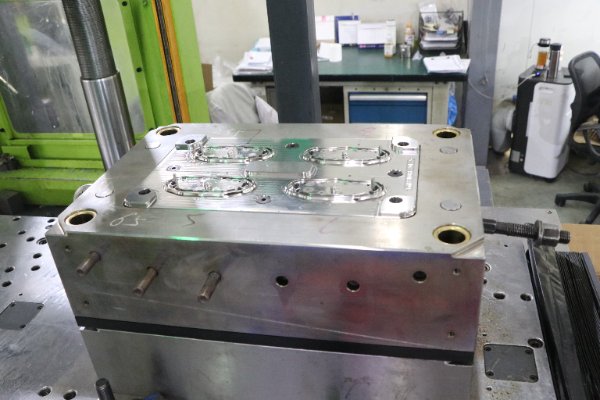
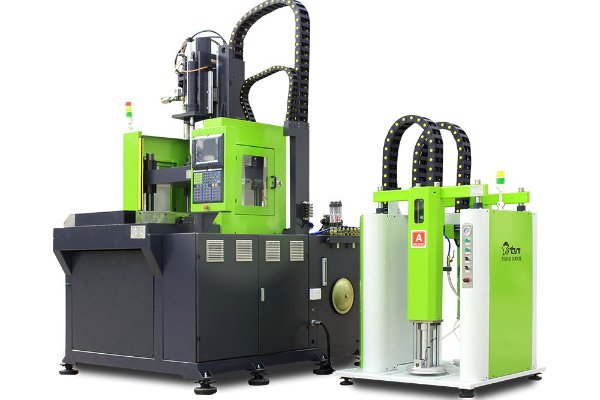
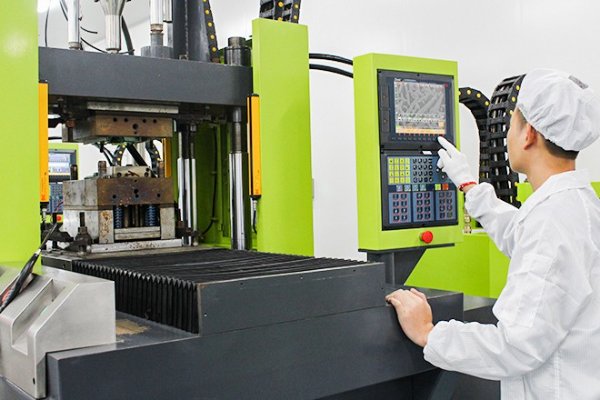
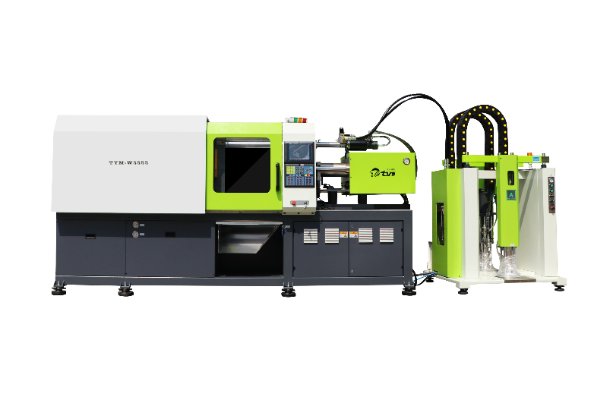
The upgrade began with replacing the old hydraulic LSR machine with a new, high-speed, all-electric model. This alone reduced cycle time by 20%. A new multi-cavity hot-runner mold was installed, increasing cavitation from 1-up to 4-up. Most importantly, a fully automated downstream cell was integrated, featuring a 6-axis robot for part removal, a dedicated cooling conveyor, and an automatic vision inspection station.
The results were remarkable. Not only did the line achieve its goal of doubling output, but Overall Equipment Effectiveness (OEE) increased from 65% to 88%. Downtime due to quality issues plummeted as the automated inspection caught defects immediately. Labor costs per unit decreased significantly as manual handling was eliminated. This project demonstrated that strategic investment in integrated, automated solutions is the most effective path to sustainable capacity expansion.