
Recent Posts
-
![Meet TYM at K 2025 -The World’ s No.1 Trade Fair for Plastics and Rubber]() Meet TYM at K 2025 -The World’ s No.1 Trade Fair for Plastics and Rubber
Meet TYM at K 2025 -The World’ s No.1 Trade Fair for Plastics and RubberWelcome to the World’s No.1 Trade Fair for Plastics and Rubber -K 2025, taking place from October 8–15, 2025 at Messe Düsseldorf, Germany. As a professional LSR injection molding machine, mold, and robot solution provider, TYM Technology Co., Ltd. is proud to present our latest innovations at Booth 16E77.
09/23/2025
-
![Self-Bonding LSR: How Self-Adhesive Liquid Silicone Simplifies Multi-Material Overmolding]() Self-Bonding LSR: How Self-Adhesive Liquid Silicone Simplifies Multi-Material Overmolding
Self-Bonding LSR: How Self-Adhesive Liquid Silicone Simplifies Multi-Material OvermoldingIf you manufacture multi-material silicone parts, the bonding step is often the hidden bottleneck. Traditional liquid silicone rubber (LSR) overmolding relies on a separately applied primer to make the silicone stick to a plastic or metal substrate.
06/18/2026
-
![Smart Automation in Silicone Manufacturing: Improving Consistency and Reducing Labor Costs]() Smart Automation in Silicone Manufacturing: Improving Consistency and Reducing Labor Costs
Smart Automation in Silicone Manufacturing: Improving Consistency and Reducing Labor CostsLabor shortages, rising wage costs, and increasing quality expectations are pushing silicone product manufacturers toward greater automation. For liquid silicone rubber (LSR) production specifically, automation is not just about reducing headcount — it directly impacts part consistency, contamination control, and overall production efficiency.
06/12/2026
-
![Shot Size Accuracy in LSR Molding: The Hidden Factor Behind Product Quality]() Shot Size Accuracy in LSR Molding: The Hidden Factor Behind Product Quality
Shot Size Accuracy in LSR Molding: The Hidden Factor Behind Product QualityPrecision is the cornerstone of liquid silicone rubber manufacturing. Yet many manufacturers overlook one critical parameter that determines product consistency: shot size accuracy.
06/10/2026
-
![how to Optimize LSR Injection Molding Machine Performance Through Predictive Maintenance]() how to Optimize LSR Injection Molding Machine Performance Through Predictive Maintenance
how to Optimize LSR Injection Molding Machine Performance Through Predictive MaintenanceIn the competitive landscape of liquid silicone rubber manufacturing, machine downtime can cost manufacturers thousands of dollars per hour.
06/10/2026
-
![How Automated Material Feeding Improves LSR Manufacturing Efficiency]() How Automated Material Feeding Improves LSR Manufacturing Efficiency
How Automated Material Feeding Improves LSR Manufacturing EfficiencyAs labor costs continue to rise and quality requirements become stricter, manufacturers are increasingly adopting automated material feeding systems in liquid silicone rubber production.
06/09/2026
-
![How Does Vacuum Assistance Improve LSR Injection Molding Quality?]() How Does Vacuum Assistance Improve LSR Injection Molding Quality?
How Does Vacuum Assistance Improve LSR Injection Molding Quality?In liquid silicone rubber (LSR) manufacturing, product quality is heavily influenced by how effectively air is removed from the mold cavity. Trapped air can lead to bubbles, incomplete filling, surface defects, and reduced product consistency.
06/08/2026
-
![Why Is Shot Size Accuracy Important in Liquid Silicone Rubber Molding?]() Why Is Shot Size Accuracy Important in Liquid Silicone Rubber Molding?
Why Is Shot Size Accuracy Important in Liquid Silicone Rubber Molding?Precision is one of the key advantages of liquid silicone rubber molding. However, achieving consistent product quality depends heavily on accurate shot size control.
06/08/2026
-
![How Clamp Force Selection Affects LSR Injection Molding Performance]() How Clamp Force Selection Affects LSR Injection Molding Performance
How Clamp Force Selection Affects LSR Injection Molding PerformanceClamping force is one of the most fundamental parameters in liquid silicone rubber injection molding. While many manufacturers focus heavily on injection pressure, metering accuracy, and mold design, the selection of proper clamp force directly influences product quality, mold lifespan, process stability, and overall production efficiency.
06/03/2026
-
![How Closed-Loop Injection Control Improves LSR Molding Stability]() How Closed-Loop Injection Control Improves LSR Molding Stability
How Closed-Loop Injection Control Improves LSR Molding StabilityAdvanced manufacturing systems are now integrating digital monitoring, servo-driven motion control, and intelligent process optimization to reduce variability during molding cycles.
05/29/2026

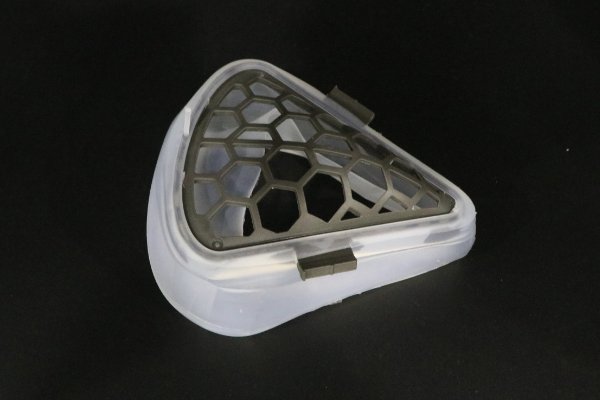
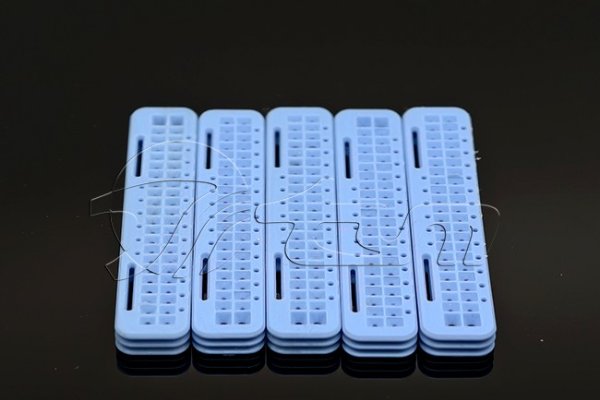
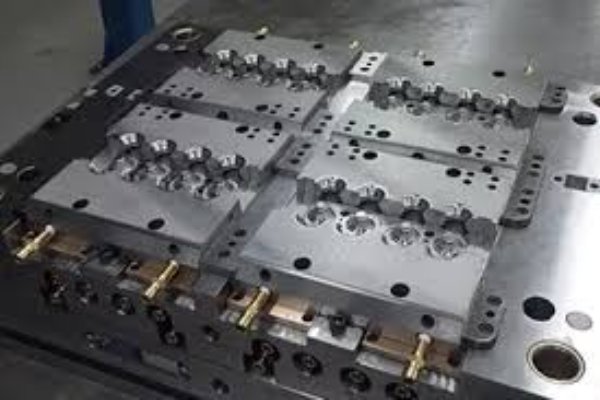
How to Achieve Multi-Shot Molding with LSR?
What Equipment Is Needed for LSR Multi-Shot Molding?
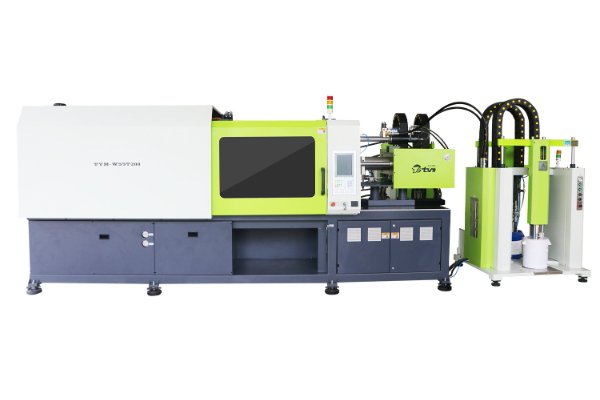
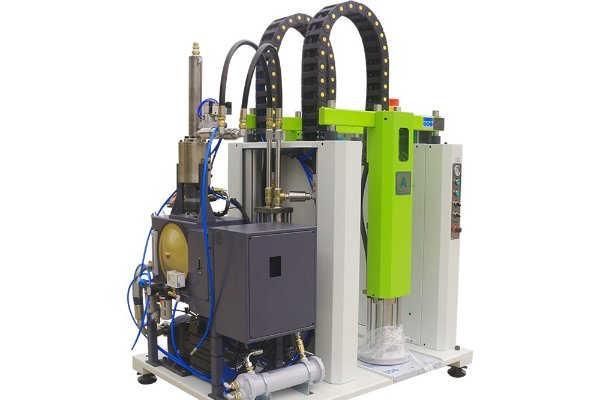
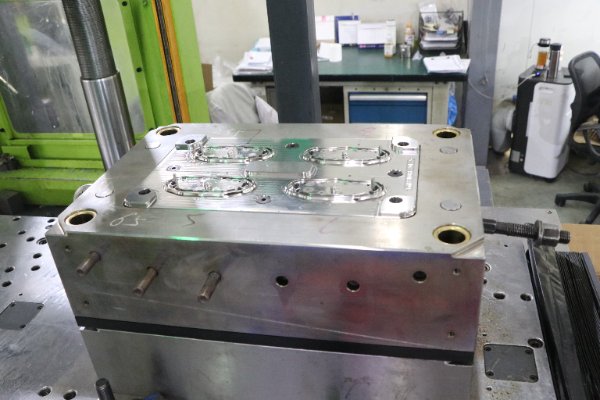
Multi-shot LSR molding requires specialized machines with multiple injection units and a rotating platen or stack mold configuration. Each station handles a different material or color. Precise synchronization between stations and temperature control across all cavities are essential for successful layer integration and part quality.
How Are Material Compatibility and Adhesion Managed?
Adhesion between LSR layers or between LSR and substrates like plastics or metals is achieved through careful material selection and surface preparation. Primers or plasma treatment may be used to enhance bonding. Compatibility tests are conducted during development to ensure long-term adhesion under intended use conditions.
What Design Considerations Are Important for Multi-Layer Parts?
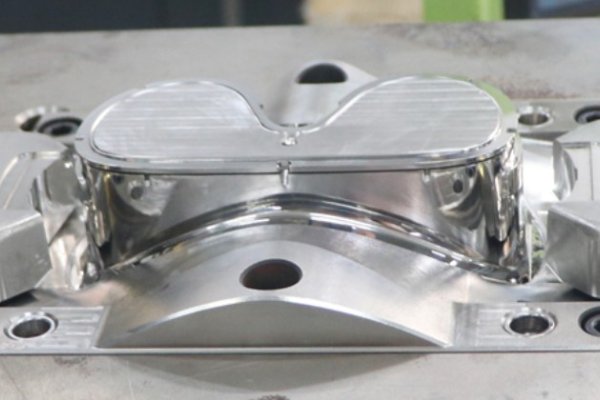
Designers must account for differential shrinkage between materials, which can cause warping or delamination. Gate locations and cooling strategies must be optimized for each shot. Sharp corners and undercuts should be avoided to facilitate ejection and prevent stress concentration that could compromise bond integrity.
What Quality Control Measures Apply to Multi-Shot LSR Parts?
In-line vision systems inspect for proper alignment and material coverage. Cross-sectioning and peel testing validate interlayer adhesion strength. Statistical process control tracks key parameters like cycle time, temperature, and pressure to ensure consistency. Traceability systems track material lots for quality assurance.