
Recent Posts
-
![Meet TYM at K 2025 -The World’ s No.1 Trade Fair for Plastics and Rubber]() Meet TYM at K 2025 -The World’ s No.1 Trade Fair for Plastics and Rubber
Meet TYM at K 2025 -The World’ s No.1 Trade Fair for Plastics and RubberWelcome to the World’s No.1 Trade Fair for Plastics and Rubber -K 2025, taking place from October 8–15, 2025 at Messe Düsseldorf, Germany. As a professional LSR injection molding machine, mold, and robot solution provider, TYM Technology Co., Ltd. is proud to present our latest innovations at Booth 16E77.
09/23/2025
-
![Self-Bonding LSR: How Self-Adhesive Liquid Silicone Simplifies Multi-Material Overmolding]() Self-Bonding LSR: How Self-Adhesive Liquid Silicone Simplifies Multi-Material Overmolding
Self-Bonding LSR: How Self-Adhesive Liquid Silicone Simplifies Multi-Material OvermoldingIf you manufacture multi-material silicone parts, the bonding step is often the hidden bottleneck. Traditional liquid silicone rubber (LSR) overmolding relies on a separately applied primer to make the silicone stick to a plastic or metal substrate.
06/18/2026
-
![Smart Automation in Silicone Manufacturing: Improving Consistency and Reducing Labor Costs]() Smart Automation in Silicone Manufacturing: Improving Consistency and Reducing Labor Costs
Smart Automation in Silicone Manufacturing: Improving Consistency and Reducing Labor CostsLabor shortages, rising wage costs, and increasing quality expectations are pushing silicone product manufacturers toward greater automation. For liquid silicone rubber (LSR) production specifically, automation is not just about reducing headcount — it directly impacts part consistency, contamination control, and overall production efficiency.
06/12/2026
-
![Shot Size Accuracy in LSR Molding: The Hidden Factor Behind Product Quality]() Shot Size Accuracy in LSR Molding: The Hidden Factor Behind Product Quality
Shot Size Accuracy in LSR Molding: The Hidden Factor Behind Product QualityPrecision is the cornerstone of liquid silicone rubber manufacturing. Yet many manufacturers overlook one critical parameter that determines product consistency: shot size accuracy.
06/10/2026
-
![how to Optimize LSR Injection Molding Machine Performance Through Predictive Maintenance]() how to Optimize LSR Injection Molding Machine Performance Through Predictive Maintenance
how to Optimize LSR Injection Molding Machine Performance Through Predictive MaintenanceIn the competitive landscape of liquid silicone rubber manufacturing, machine downtime can cost manufacturers thousands of dollars per hour.
06/10/2026
-
![How Automated Material Feeding Improves LSR Manufacturing Efficiency]() How Automated Material Feeding Improves LSR Manufacturing Efficiency
How Automated Material Feeding Improves LSR Manufacturing EfficiencyAs labor costs continue to rise and quality requirements become stricter, manufacturers are increasingly adopting automated material feeding systems in liquid silicone rubber production.
06/09/2026
-
![How Does Vacuum Assistance Improve LSR Injection Molding Quality?]() How Does Vacuum Assistance Improve LSR Injection Molding Quality?
How Does Vacuum Assistance Improve LSR Injection Molding Quality?In liquid silicone rubber (LSR) manufacturing, product quality is heavily influenced by how effectively air is removed from the mold cavity. Trapped air can lead to bubbles, incomplete filling, surface defects, and reduced product consistency.
06/08/2026
-
![Why Is Shot Size Accuracy Important in Liquid Silicone Rubber Molding?]() Why Is Shot Size Accuracy Important in Liquid Silicone Rubber Molding?
Why Is Shot Size Accuracy Important in Liquid Silicone Rubber Molding?Precision is one of the key advantages of liquid silicone rubber molding. However, achieving consistent product quality depends heavily on accurate shot size control.
06/08/2026
-
![How Clamp Force Selection Affects LSR Injection Molding Performance]() How Clamp Force Selection Affects LSR Injection Molding Performance
How Clamp Force Selection Affects LSR Injection Molding PerformanceClamping force is one of the most fundamental parameters in liquid silicone rubber injection molding. While many manufacturers focus heavily on injection pressure, metering accuracy, and mold design, the selection of proper clamp force directly influences product quality, mold lifespan, process stability, and overall production efficiency.
06/03/2026
-
![How Closed-Loop Injection Control Improves LSR Molding Stability]() How Closed-Loop Injection Control Improves LSR Molding Stability
How Closed-Loop Injection Control Improves LSR Molding StabilityAdvanced manufacturing systems are now integrating digital monitoring, servo-driven motion control, and intelligent process optimization to reduce variability during molding cycles.
05/29/2026

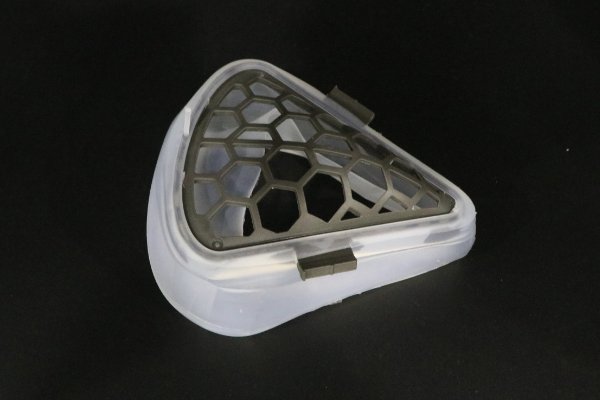
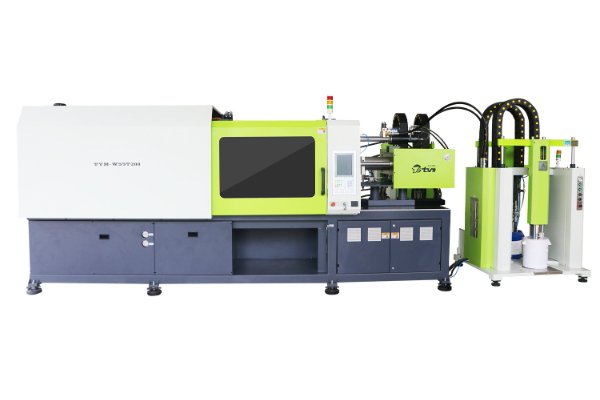
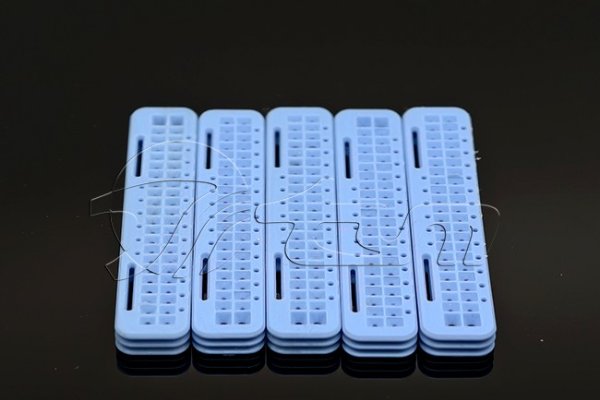
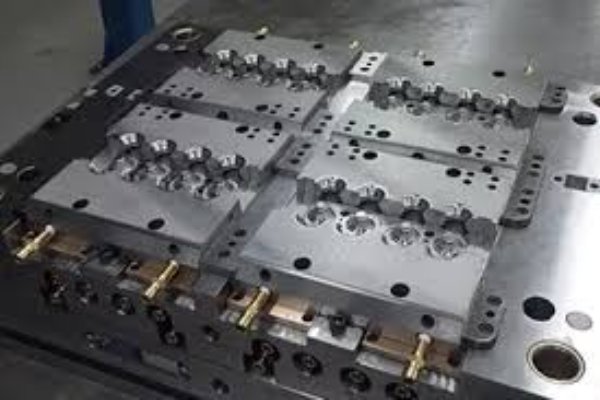
LSR Injection Molding Machines: Current Industry Status and Future Outlook
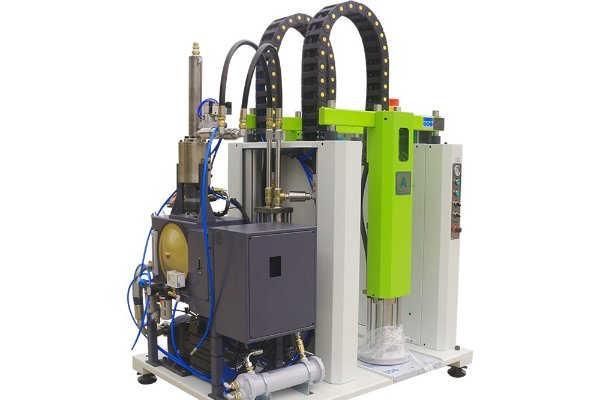
The global Liquid Silicone Rubber (LSR) injection molding industry is entering a new phase of intelligent manufacturing, precision automation, and high-efficiency production. As medical devices, electric vehicles, wearable electronics, and baby care industries continue expanding, manufacturers increasingly require stable silicone molding systems capable of supporting high-volume production with consistent quality.
Compared with traditional compression molding, LSR injection molding technology offers shorter cycle times, improved dimensional consistency, cleaner manufacturing conditions, and better compatibility with automated production systems. These advantages are driving rapid adoption across global manufacturing industries.
According to multiple industrial market reports, the global silicone elastomer market is expected to continue growing steadily over the next decade, especially in medical and automotive applications where precision silicone components are increasingly important.
Why the LSR Injection Molding Industry Is Growing Rapidly
Increasing Demand for High-Precision Silicone Components
Modern industrial products require silicone components with tighter tolerances, higher cleanliness standards, and improved durability. Industries such as medical manufacturing and consumer electronics now demand complex silicone geometries that are difficult to achieve using traditional molding methods.
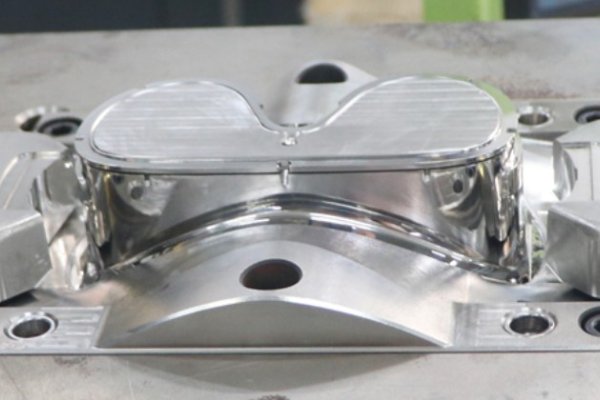
LSR injection molding technology allows manufacturers to achieve stable production of micro silicone parts, thin-wall structures, sealing components, and complex overmolded products. The technology is especially suitable for applications where dimensional consistency and repeatability are critical.
For example, medical respiratory valves, wearable device seals, and automotive sensor gaskets all require extremely stable molding conditions. Even small dimensional deviations can affect product performance and reliability.
Automation Is Becoming the Industry Standard
One of the biggest transformations in the silicone manufacturing industry is the rapid transition toward automation. Traditional labor-intensive molding processes are increasingly being replaced by automated LSR production systems capable of continuous operation.
Modern LSR factories now integrate robotic demolding systems, automatic material feeding units, vision inspection systems, and intelligent process monitoring platforms. These technologies significantly reduce labor dependency while improving production consistency.
Automation is especially important for medical-grade silicone manufacturing because it minimizes contamination risks and supports cleanroom production environments.
Core Technologies Driving Future LSR Manufacturing
AI-Assisted Process Optimization
Future LSR injection molding systems are increasingly integrating AI-assisted manufacturing technologies that can analyze molding conditions in real time. Intelligent systems can automatically optimize injection pressure, curing conditions, and temperature stability based on production data.
This helps manufacturers reduce flashing defects, improve filling balance, and increase overall production yield. AI-supported process control is becoming especially valuable for multi-cavity precision molds where consistency across cavities is critical.
Smart Factory and IoT Integration
The development of Industry 4.0 is accelerating the digital transformation of silicone manufacturing facilities. IoT-enabled molding machines allow manufacturers to monitor equipment conditions remotely and analyze operational efficiency continuously.
Real-time data collection helps factories reduce unexpected downtime through predictive maintenance strategies. Instead of reacting to equipment failures after they occur, manufacturers can identify potential risks before production interruptions happen.
As a result, smart factories can achieve higher operational efficiency, lower maintenance costs, and more stable product quality.
Expansion of Two-Color and Multi-Material Molding Technologies
Two-color LSR injection molding is becoming increasingly important in advanced product manufacturing because it allows multiple materials or silicone hardness levels to be integrated into a single component.
This technology is widely used in:
• Medical devices
• Wearable electronics
• Automotive sealing systems
• Baby feeding products
• Waterproof electronic components
Compared with traditional assembly processes, multi-material molding improves structural integration, reduces assembly costs, and enhances long-term product durability.
Manufacturers are also increasingly combining silicone with plastics and metal inserts through advanced overmolding processes.
Main Challenges Facing the LSR Injection Molding Industry
Despite rapid technological development, the industry still faces several important challenges.
High initial investment remains one of the primary barriers for many manufacturers. Advanced LSR molding systems often require significant investment in injection machines, precision molds, automation equipment, temperature control systems, and cleanroom facilities.
In addition, LSR processing itself requires highly stable engineering control. Silicone materials have extremely low viscosity and are highly sensitive to molding parameters such as injection pressure, curing temperature, and venting conditions.
Poor process control can lead to flashing, short shots, air entrapment, or dimensional instability.
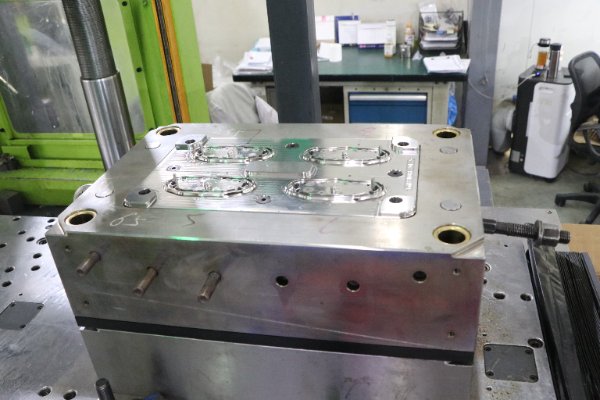
For this reason, machine design, mold engineering, and process optimization must work together closely to achieve stable production.
Future Outlook of the LSR Injection Molding Industry
Over the next decade, the global LSR industry is expected to continue expanding rapidly due to increasing demand for high-performance silicone products.
Several industries are expected to become major growth drivers:
• Electric vehicles
• Medical devices
• Renewable energy systems
• Smart wearable products
• Industrial protection equipment
Silicone materials are highly suitable for these industries because they offer excellent heat resistance, electrical insulation, chemical stability, weather resistance, and biocompatibility.
Future manufacturing systems will increasingly focus on:
• Full automation
• Intelligent process control
• Multi-material integration
• High-speed precision molding
• Sustainable manufacturing efficiency
FAQs
Q1:Why is LSR injection molding becoming more popular?
A1:LSR injection molding provides higher production efficiency, cleaner manufacturing conditions, improved precision, and better automation compatibility compared with traditional silicone molding methods.
Q2:What industries use LSR injection molding machines?
A2:Medical, automotive, wearable electronics, baby care, industrial sealing, and labor protection industries widely use LSR injection molding technology.
Q3:What is the future direction of silicone manufacturing?
A3:The future focuses on automation, AI-assisted production optimization, smart factory integration, and high-precision multi-material molding systems.
Conclusion
The global LSR injection molding industry is rapidly transitioning toward intelligent automation and precision manufacturing. As advanced industries continue demanding higher-performance silicone products, manufacturers increasingly require stable, scalable, and highly automated production solutions.
TYM continues expanding its capabilities in LSR injection molding technology, intelligent manufacturing systems, and precision engineering to support the next generation of global silicone manufacturing.