
Recent Posts
-
![Meet TYM at K 2025 -The World’ s No.1 Trade Fair for Plastics and Rubber]() Meet TYM at K 2025 -The World’ s No.1 Trade Fair for Plastics and Rubber
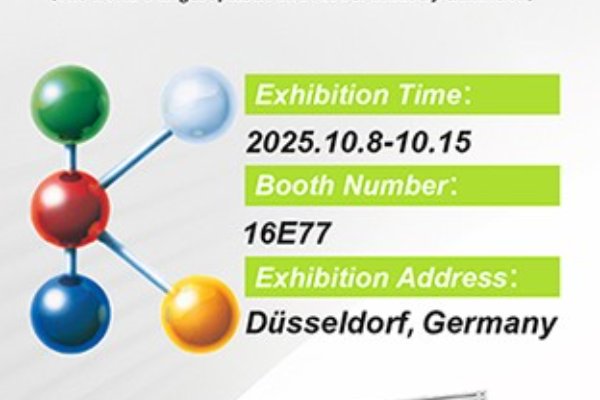
Meet TYM at K 2025 -The World’ s No.1 Trade Fair for Plastics and RubberWelcome to the World’s No.1 Trade Fair for Plastics and Rubber -K 2025, taking place from October 8–15, 2025 at Messe Düsseldorf, Germany. As a professional LSR injection molding machine, mold, and robot solution provider, TYM Technology Co., Ltd. is proud to present our latest innovations at Booth 16E77.
09/23/2025
-
![Pure Electric Servo Feeding System vs. Traditional Pneumatic Feeding: Which One Actually Saves You Money?]() Pure Electric Servo Feeding System vs. Traditional Pneumatic Feeding: Which One Actually Saves You Money?
Pure Electric Servo Feeding System vs. Traditional Pneumatic Feeding: Which One Actually Saves You Money?If you run an LSR (Liquid Silicone Rubber) injection molding line, the feeding system is easy to overlook — until it starts costing you scrap rate, downtime, and inconsistent shot weights. Two technologies dominate the market today: pneumatic (air-driven) feeding systems and pure electric servo feeding systems. Here's an honest, practical comparison to help you decide which fits your production line.
07/31/2026
-
![How to Choose an LSR OEM Manufacturing Partner: A Buyer's Checklist]() How to Choose an LSR OEM Manufacturing Partner: A Buyer's Checklist
How to Choose an LSR OEM Manufacturing Partner: A Buyer's ChecklistOutsourcing liquid silicone rubber production is as much a relationship decision as a technical one. A supplier can look strong on paper — certificates, equipment lists, a polished website — and still fall short once your product hits real production volume. Here's a practical checklist for evaluating an LSR OEM partner before you commit tooling and inventory to them.
07/29/2026
-
![LSR Molding Trends from CHINAPLAS and K Shows: What Manufacturers Should Watch For]() LSR Molding Trends from CHINAPLAS and K Shows: What Manufacturers Should Watch For
LSR Molding Trends from CHINAPLAS and K Shows: What Manufacturers Should Watch ForEvery year, the global plastics and rubber industry converges on two major stages — CHINAPLAS in Asia and the K show in Düsseldorf — to preview where injection molding technology is headed.
07/28/2026
-
![ISO 9001, CE, CCC: What These Certifications Actually Mean for Your Equipment Purchase]() ISO 9001, CE, CCC: What These Certifications Actually Mean for Your Equipment Purchase
ISO 9001, CE, CCC: What These Certifications Actually Mean for Your Equipment PurchaseWhen you're evaluating LSR injection molding machines from an overseas supplier, certification logos on a company website can start to blur together. ISO 9001, CE, CCC — they all sound reassuring, but they don't all mean the same thing, and they don't all matter for the same reasons. Understanding what each certification actually covers will help you ask better questions during due diligence and avoid assuming a certificate guarantees something it doesn't.
07/17/2026
-
![Turnkey LSR Injection Molding Solutions]() Turnkey LSR Injection Molding Solutions
Turnkey LSR Injection Molding SolutionsLaunching a liquid silicone rubber (LSR) injection molding operation involves far more than simply purchasing a machine. From material selection and mold design to automation integration and staff training, the journey from concept to full-scale production presents numerous challenges—each with the potential to delay your time-to-market and inflate your budget.
07/14/2026
-
![Industrial Silicone Seals & Waterproof Parts: LSR Guide]() Industrial Silicone Seals & Waterproof Parts: LSR Guide
Industrial Silicone Seals & Waterproof Parts: LSR GuideThis guide helps product and sourcing engineers who need reliable industrial sealing components-gaskets, O-rings, grommets, and enclosure seals-understand why LSR injection molding is the preferred process for waterproof parts at volume, and how to specify them.
07/10/2026
-
![LSR Prototype to Production: Timeline & Process]() LSR Prototype to Production: Timeline & Process
LSR Prototype to Production: Timeline & ProcessA typical liquid silicone rubber (LSR) part moves from prototype to mass production in about 10-18 weeks, spanning design/DFM, prototyping, production mold fabrication, T1 sampling and validation, and pilot-to-ramp - with mold build and validation being the longest stages.
07/07/2026
-
![LSR Injection Molding Machine Parameters Explained]() LSR Injection Molding Machine Parameters Explained
LSR Injection Molding Machine Parameters ExplainedAn LSR injection molding machine spec sheet lists dozens of numbers, but only a handful decide whether your silicone parts cure fully, stay flash-free and cost little to run. This 2026 guide explains the parameters that matter most, so engineers and buyers can compare machines on the specs that actually affect part quality, not marketing figures.
07/02/2026
-
![Automatic vs Semi-Automatic Silicone Molding Lines]() Automatic vs Semi-Automatic Silicone Molding Lines
Automatic vs Semi-Automatic Silicone Molding LinesThis guide is for production and procurement decision-makers sizing a new LSR line—comparing the two configurations across throughput, quality, cost, and payback so you can match the investment to real demand.
07/01/2026




The Environmental Benefits of LSR Injection Molding Machines
In an era where environmental sustainability is a top priority for manufacturers, Liquid Silicone Rubber (LSR) injection molding machines offer several advantages that align with green manufacturing principles. From reduced material waste to energy efficiency and recyclability, LSR injection molding contributes to sustainable practices in the manufacturing industry.
One of the primary environmental benefits of LSR injection molding is its material efficiency. Unlike traditional molding processes that generate significant scrap and excess material, LSR injection molding minimizes waste by precisely dispensing the required amount of silicone rubber for each mold. This results in lower material costs and less environmental impact associated with material disposal.
Furthermore, LSR injection molding machines are designed for energy efficiency, with advanced heating and cooling systems that optimize energy consumption during the molding process. By minimizing energy usage and maximizing process efficiency, LSR machines reduce carbon emissions and contribute to overall energy conservation in manufacturing facilities.
Another environmentally friendly aspect of LSR injection molding is the recyclability of silicone rubber materials. Unlike many plastics that degrade over time and release harmful chemicals into the environment, silicone rubber can be recycled and reused in various applications. This closed-loop recycling process helps reduce the demand for virgin materials and minimizes the environmental footprint of LSR manufacturing.
In conclusion, LSR injection molding machines offer significant environmental benefits that make them a sustainable choice for manufacturers seeking to minimize their ecological impact. From material efficiency and energy conservation to recyclability, LSR injection molding contributes to a more environmentally friendly approach to manufacturing.