
Recent Posts
-
![Meet TYM at K 2025 -The World’ s No.1 Trade Fair for Plastics and Rubber]() Meet TYM at K 2025 -The World’ s No.1 Trade Fair for Plastics and Rubber
Meet TYM at K 2025 -The World’ s No.1 Trade Fair for Plastics and RubberWelcome to the World’s No.1 Trade Fair for Plastics and Rubber -K 2025, taking place from October 8–15, 2025 at Messe Düsseldorf, Germany. As a professional LSR injection molding machine, mold, and robot solution provider, TYM Technology Co., Ltd. is proud to present our latest innovations at Booth 16E77.
09/23/2025
-
![ISO 9001, CE, CCC: What These Certifications Actually Mean for Your Equipment Purchase]() ISO 9001, CE, CCC: What These Certifications Actually Mean for Your Equipment Purchase
ISO 9001, CE, CCC: What These Certifications Actually Mean for Your Equipment PurchaseWhen you're evaluating LSR injection molding machines from an overseas supplier, certification logos on a company website can start to blur together. ISO 9001, CE, CCC — they all sound reassuring, but they don't all mean the same thing, and they don't all matter for the same reasons. Understanding what each certification actually covers will help you ask better questions during due diligence and avoid assuming a certificate guarantees something it doesn't.
07/17/2026
-
![Turnkey LSR Injection Molding Solutions]() Turnkey LSR Injection Molding Solutions
Turnkey LSR Injection Molding SolutionsLaunching a liquid silicone rubber (LSR) injection molding operation involves far more than simply purchasing a machine. From material selection and mold design to automation integration and staff training, the journey from concept to full-scale production presents numerous challenges—each with the potential to delay your time-to-market and inflate your budget.
07/14/2026
-
![Industrial Silicone Seals & Waterproof Parts: LSR Guide]() Industrial Silicone Seals & Waterproof Parts: LSR Guide
Industrial Silicone Seals & Waterproof Parts: LSR GuideThis guide helps product and sourcing engineers who need reliable industrial sealing components-gaskets, O-rings, grommets, and enclosure seals-understand why LSR injection molding is the preferred process for waterproof parts at volume, and how to specify them.
07/10/2026
-
![LSR Prototype to Production: Timeline & Process]() LSR Prototype to Production: Timeline & Process
LSR Prototype to Production: Timeline & ProcessA typical liquid silicone rubber (LSR) part moves from prototype to mass production in about 10-18 weeks, spanning design/DFM, prototyping, production mold fabrication, T1 sampling and validation, and pilot-to-ramp - with mold build and validation being the longest stages.
07/07/2026
-
![LSR Injection Molding Machine Parameters Explained]() LSR Injection Molding Machine Parameters Explained
LSR Injection Molding Machine Parameters ExplainedAn LSR injection molding machine spec sheet lists dozens of numbers, but only a handful decide whether your silicone parts cure fully, stay flash-free and cost little to run. This 2026 guide explains the parameters that matter most, so engineers and buyers can compare machines on the specs that actually affect part quality, not marketing figures.
07/02/2026
-
![Automatic vs Semi-Automatic Silicone Molding Lines]() Automatic vs Semi-Automatic Silicone Molding Lines
Automatic vs Semi-Automatic Silicone Molding LinesThis guide is for production and procurement decision-makers sizing a new LSR line—comparing the two configurations across throughput, quality, cost, and payback so you can match the investment to real demand.
07/01/2026
-
![LSR Cold Runner Systems: Cut Waste & Cost]() LSR Cold Runner Systems: Cut Waste & Cost
LSR Cold Runner Systems: Cut Waste & CostLSR cold runner system is the single fastest way to cut material waste and labor out of liquid silicone rubber molding. By keeping the silicone liquid until it reaches the cavity, it eliminates cured runners and trimming entirely. This guide helps process engineers and buyers decide when a cold runner pays for itself.
06/30/2026
-
![How to Select LSR Injection Molding Machine Tonnage]() How to Select LSR Injection Molding Machine Tonnage
How to Select LSR Injection Molding Machine TonnageChoosing the right clamping force is the single most consequential spec decision when buying a liquid silicone rubber (LSR) injection molding machine. Pick too little and you fight flash on every shot; pick too much and you pay for energy and floor space you never use.
06/29/2026
-
![Liquid Silicone Rubber Market 2026: Size, Growth & Demand Drivers]() Liquid Silicone Rubber Market 2026: Size, Growth & Demand Drivers
Liquid Silicone Rubber Market 2026: Size, Growth & Demand DriversThe global liquid silicone rubber (LSR) market is valued at roughly USD 3.4-3.8 billion in 2026 and growing about 7-9% annually, led by medical-grade demand (~44% of revenue) and rising EV production. Asia-Pacific dominates manufacturing capacity.
06/26/2026




2026 Guide: Which Is More Reliable for Baby Bottles, Liquid Silicone or PPSU Injection Molding?
In today's infant feeding bottle market, parents are more informed and demanding than ever before. They not only seek safe and durable products, but also expect these products to align with modern parenting concepts, such as sustainability and design considerations.The core of this discussion often boils down to two primary materials and their respective molding processes: Liquid Silicone Rubber (LSR) and Poly(phenylsulfone) (PPSU). Let's break down this comparison with concrete data, case studies, and actionable insights from our perspective as an equipment and solution provider.
1. Material Safety & Performance: The Foundation of Trust
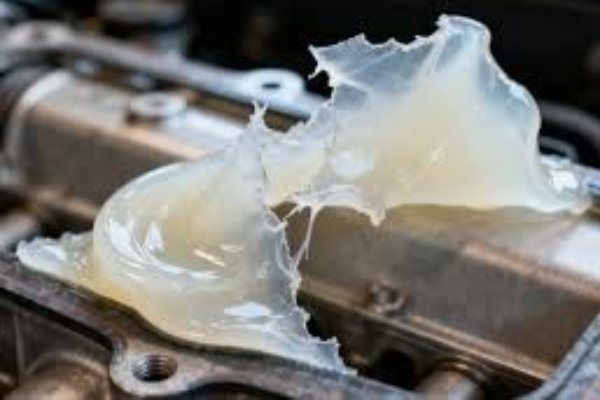
Liquid Silicone (LSR):LSR is a platinum-cured, high-purity elastomer. Its key advantage is inherent safety: it contains no BPA, BPS, phthalates, or other harmful plasticizers. It's biologically inert, hypoallergenic, and maintains stability across a wide temperature range (-60°C to 250°C). This makes it exceptionally safe for sterilization (boiling, steam, microwave) without degrading or leaching. From our work with clients, bottles made from medical-grade LSR exhibit excellent softness and flexibility, which is gentle on a baby's gums and allows for squeezable feeding, aiding in reducing colic.
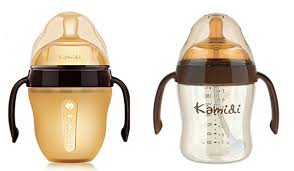
PPSU:PPSU is a high-performance thermoplastic known for its exceptional clarity, amber color, and outstanding durability. It is also completely free of BPA and other concerning chemicals. Its primary strength lies in its rigidity and remarkable impact resistance—it's virtually unbreakable under normal use. It withstands repeated sterilization cycles (including high-temperature steam and chemical sterilants) without clouding or weakening, a common issue with other clear plastics like PP or PC.
TYM's Viewpoint & Practical Advice:Both materials offer top-tier safety profiles when processed correctly. The choice isn't about which is "safer," but which property set better serves the intended use.
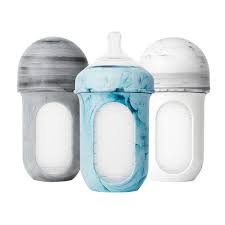
For Brands: If your design emphasizes a soft, nipple-like feel, squeezability, and extreme flexibility, LSR is the unequivocal choice. For brands targeting ultra-durable, crystal-clear (or amber), rigid bottles that mimic the feel of glass without the weight, PPSU is superior.
For Manufacturers: The reliability of the final product hinges entirely on precision molding. Impurities, inconsistent curing, or stress points introduced during manufacturing can compromise any material's inherent safety.
2. Injection Molding Process: Where Precision Meets Production
This is where our expertise at Tianyuan (TYM) comes directly into play. The molding process fundamentally differs between these two materials.
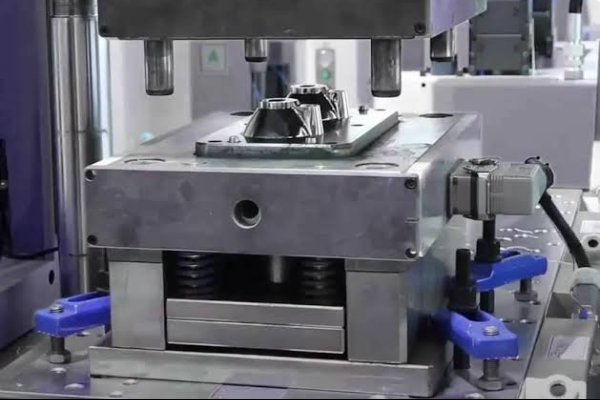
LSR Injection Molding:LSR is a two-part liquid that cures with heat. The process requires specialized Liquid Silicone Injection Molding Machines. Key challenges include precise metering and mixing of the two components (A&B), managing the material's low viscosity to prevent flashing, and ensuring complete, consistent thermal curing.
TYM's Solution & Data Point: Our LSR machines, such as those in our vertical and horizontal series, address these directly. We utilize high-precision metering pumps and static mixers to ensure a perfect 1:1 mix every time. Our optimized hydraulic system achieves injection speeds up to 100g/s, which is crucial for filling thin-walled bottle sections (like collapsible sleeves) before the material begins to cure. This speed, combined with high-rigidity clamping structures, minimizes flash and ensures dimensional accuracy, directly extending mold life and improving yield rates for our clients.
PPSU Injection Molding:PPSU is processed as a melt in traditional thermoplastic injection molding machines, but it requires high temperatures (typically 320°C - 380°C melt temperature) and careful drying to prevent hydrolysis (moisture degradation).
TYM's Capability: While PPSU can be processed on robust standard machines, achieving the optical clarity and stress-free strength it's known for demands precision. Our machines equipped with specialized high-performance screws provide superior plastification and consistent melt quality for engineering plastics like PPSU. Precise temperature control across multiple zones is non-negotiable to prevent thermal degradation.
Practical Advice for Production:
For LSR Bottles: Partner with a machinery provider that offers a complete LSR system—not just the press, but the feeding, metering, mixing, and often the mold design. At TYM, we provide this turnkey solution. Ensure the machine offers fast injection cycles and precise temperature control of the mold (typically 150°C - 200°C for LSR).
For PPSU Bottles: Invest in a machine with excellent thermal stability, a screw designed for high-temperature engineering plastics, and a robust drying system. Even slight moisture can cause splay marks, affecting clarity and strength.
3. Market Trends & Consumer Insights: Shaping the 2026 Landscape
The baby bottle market is evolving. We see several trends influencing material choice:
Functionality Segmentation: The market is moving beyond one-bottle-fits-all. We supply equipment to clients producing LSR collapsible bottles for travel, LSR all-in-one training cups with soft spouts, and PPSU premium wide-neck bottles that emphasize durability and ease of cleaning.
Sustainability: Both materials score well. LSR's durability and longevity support reuse, while PPSU's extreme durability means a single bottle can last through multiple children. The industry is also exploring bio-based or recycled content variants, which will place new demands on processing equipment.
Premiumization & Design: Consumers are willing to pay more for perceived superior safety, design, and convenience. This allows brands to justify the higher material costs of both LSR and PPSU and the investment in high-precision manufacturing equipment.
TYM's Strategic Insight:The future belongs to manufacturers who can offer versatility and precision. This is why we've developed expertise across both LSR and high-performance thermoplastic molding. For a brand, having a manufacturing partner (or in-house capability) that can seamlessly switch between producing a soft, flexible LSR bottle component and a rigid, crystal-clear PPSU body is a significant competitive advantage.
Conclusion: It's Not "Either/Or," It's "Right Tool for the Job"
So, which is more reliable? From our standpoint at Tianyuan Intelligent Manufacturing Technology Co., Ltd., the answer is that both LSR and PPSU, when processed on the right equipment with exacting standards, produce exceptionally reliable baby bottles. The reliability is baked into the marriage of high-purity material and precision manufacturing.
Choose Liquid Silicone (LSR) when your product design prioritizes softness, flexibility, squeezability, and a unique tactile experience.
Choose PPSU when your design demands ultimate durability, impact resistance, crystal clarity, and a rigid feel.
The real differentiator in 2026 and beyond will be the injection molding process itself. At TYM, we empower our clients to achieve that reliability. Whether it's through our high-speed LSR machines with integrated feeding systems or our robust presses engineered for demanding thermoplastics like PPSU, we provide the technological foundation. By focusing on precision, repeatability, and full-system solutions, we help manufacturers turn these advanced materials into the safe, reliable, and innovative baby products that modern parents trust.