
Recent Posts
-
![Meet TYM at K 2025 -The World’ s No.1 Trade Fair for Plastics and Rubber]() Meet TYM at K 2025 -The World’ s No.1 Trade Fair for Plastics and Rubber
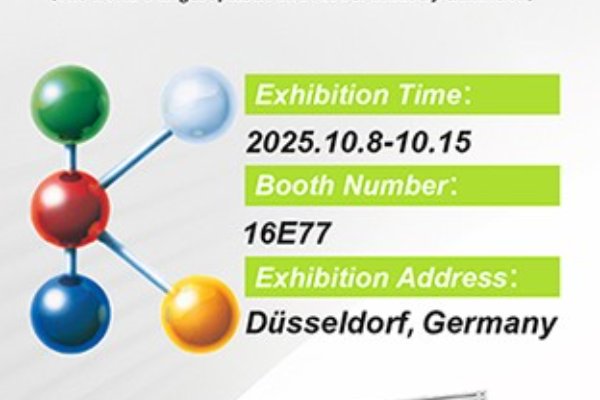
Meet TYM at K 2025 -The World’ s No.1 Trade Fair for Plastics and RubberWelcome to the World’s No.1 Trade Fair for Plastics and Rubber -K 2025, taking place from October 8–15, 2025 at Messe Düsseldorf, Germany. As a professional LSR injection molding machine, mold, and robot solution provider, TYM Technology Co., Ltd. is proud to present our latest innovations at Booth 16E77.
09/23/2025
-
![ISO 9001, CE, CCC: What These Certifications Actually Mean for Your Equipment Purchase]() ISO 9001, CE, CCC: What These Certifications Actually Mean for Your Equipment Purchase
ISO 9001, CE, CCC: What These Certifications Actually Mean for Your Equipment PurchaseWhen you're evaluating LSR injection molding machines from an overseas supplier, certification logos on a company website can start to blur together. ISO 9001, CE, CCC — they all sound reassuring, but they don't all mean the same thing, and they don't all matter for the same reasons. Understanding what each certification actually covers will help you ask better questions during due diligence and avoid assuming a certificate guarantees something it doesn't.
07/17/2026
-
![Turnkey LSR Injection Molding Solutions]() Turnkey LSR Injection Molding Solutions
Turnkey LSR Injection Molding SolutionsLaunching a liquid silicone rubber (LSR) injection molding operation involves far more than simply purchasing a machine. From material selection and mold design to automation integration and staff training, the journey from concept to full-scale production presents numerous challenges—each with the potential to delay your time-to-market and inflate your budget.
07/14/2026
-
![Industrial Silicone Seals & Waterproof Parts: LSR Guide]() Industrial Silicone Seals & Waterproof Parts: LSR Guide
Industrial Silicone Seals & Waterproof Parts: LSR GuideThis guide helps product and sourcing engineers who need reliable industrial sealing components-gaskets, O-rings, grommets, and enclosure seals-understand why LSR injection molding is the preferred process for waterproof parts at volume, and how to specify them.
07/10/2026
-
![LSR Prototype to Production: Timeline & Process]() LSR Prototype to Production: Timeline & Process
LSR Prototype to Production: Timeline & ProcessA typical liquid silicone rubber (LSR) part moves from prototype to mass production in about 10-18 weeks, spanning design/DFM, prototyping, production mold fabrication, T1 sampling and validation, and pilot-to-ramp - with mold build and validation being the longest stages.
07/07/2026
-
![LSR Injection Molding Machine Parameters Explained]() LSR Injection Molding Machine Parameters Explained
LSR Injection Molding Machine Parameters ExplainedAn LSR injection molding machine spec sheet lists dozens of numbers, but only a handful decide whether your silicone parts cure fully, stay flash-free and cost little to run. This 2026 guide explains the parameters that matter most, so engineers and buyers can compare machines on the specs that actually affect part quality, not marketing figures.
07/02/2026
-
![Automatic vs Semi-Automatic Silicone Molding Lines]() Automatic vs Semi-Automatic Silicone Molding Lines
Automatic vs Semi-Automatic Silicone Molding LinesThis guide is for production and procurement decision-makers sizing a new LSR line—comparing the two configurations across throughput, quality, cost, and payback so you can match the investment to real demand.
07/01/2026
-
![LSR Cold Runner Systems: Cut Waste & Cost]() LSR Cold Runner Systems: Cut Waste & Cost
LSR Cold Runner Systems: Cut Waste & CostLSR cold runner system is the single fastest way to cut material waste and labor out of liquid silicone rubber molding. By keeping the silicone liquid until it reaches the cavity, it eliminates cured runners and trimming entirely. This guide helps process engineers and buyers decide when a cold runner pays for itself.
06/30/2026
-
![How to Select LSR Injection Molding Machine Tonnage]() How to Select LSR Injection Molding Machine Tonnage
How to Select LSR Injection Molding Machine TonnageChoosing the right clamping force is the single most consequential spec decision when buying a liquid silicone rubber (LSR) injection molding machine. Pick too little and you fight flash on every shot; pick too much and you pay for energy and floor space you never use.
06/29/2026
-
![Liquid Silicone Rubber Market 2026: Size, Growth & Demand Drivers]() Liquid Silicone Rubber Market 2026: Size, Growth & Demand Drivers
Liquid Silicone Rubber Market 2026: Size, Growth & Demand DriversThe global liquid silicone rubber (LSR) market is valued at roughly USD 3.4-3.8 billion in 2026 and growing about 7-9% annually, led by medical-grade demand (~44% of revenue) and rising EV production. Asia-Pacific dominates manufacturing capacity.
06/26/2026




Cost Control in Multi-Color Infant Product Molding
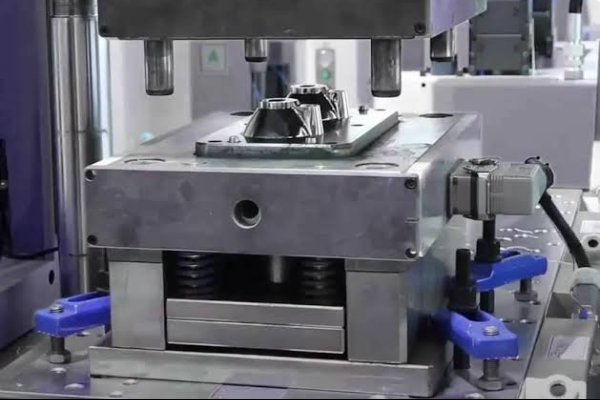
Multi-color infant product molding presents unique cost control challenges stemming from increased material waste generation and longer cycle times associated with sequential injection steps. Tianyuan's dual-material injection molding machines incorporate advanced material utilization optimization algorithms calculating optimal shot weights minimizing surplus scrap produced during startup phases or color transition intervals between successive production runs.

Runnerless molding practices eliminate need for trimming excess sprue material manually saving labor hours otherwise spent performing tedious secondary operations repetitively day after day. Automatic gate cutting systems integrated directly into mold structures sever connecting strands cleanly without leaving behind stubs requiring additional finishing touches delaying shipment readiness timelines unnecessarily.
Material segregation protocols enforced stringently separate incompatible resin families preventing cross-contamination incidents that would otherwise render entire batch unusable forcing costly disposal procedures violating environmental stewardship commitments espoused publicly by conscientious corporations committed to sustainable business practices.
Lean manufacturing principles embraced wholeheartedly throughout organization hierarchy encourage kaizen mindset fostering culture of continuous improvement wherein employees constantly seek ways eliminate waste, reduce variability, and increase value-added activity percentages boosting overall operational excellence metrics measurably over time.